5 Tips for Finding Your Best iGaming Payment Solution
 Daniel Levi
Posted On October 23, 2026
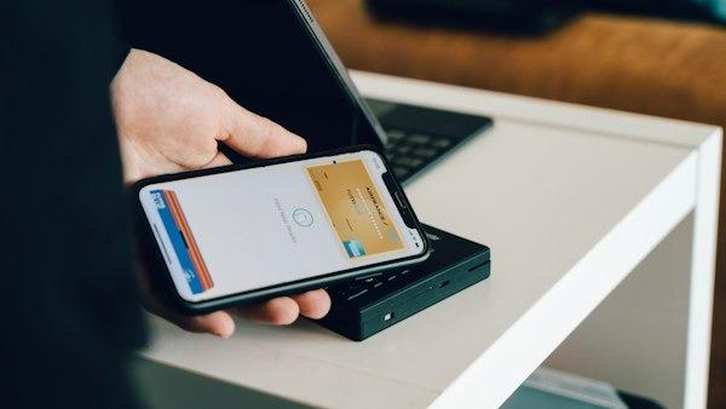
The payment method you use for your first casino deposit often determines how your withdrawal comes back, too. Most players choose whatever is quickest at the time, and problems (if any) often appear later, when a method turns out to be slow, capped, or unable to receive money at all.
A few minutes spent on a casino’s cashier page before signing up can avoid most of this. The five tips below apply to casinos licensed in Great Britain, where the Gambling Commission sets the payment rules.
1. Start with what the rules allow
You can’t use credit cards for gambling in Great Britain. The ban has been in place since April 2020, and it extends to e-wallets, so any e-wallet that can’t block credit card funding must be turned away by a licensed casino. For that reason, a site that accepts credit cards directly is a warning sign.
That leaves debit cards, e-wallets that block credit card funding, bank transfers, mobile wallets, and phone billing. New accounts also prompt you to set a spending limit before any money goes in.
2. Think about how the money will come back out
Withdrawals usually go back by the same route the money came in. A few methods only work in one direction, though, so it’s worth thinking about the way out from the start.
Phone billing is one of them, and it has its own advantages. A pay by mobile phone deposit is added to a monthly bill or taken from pay-as-you-go credit, with no card or bank details entered at the casino. Deposits are capped at fairly low amounts, which suits smaller top-ups.
Withdrawals then go to a debit card, bank account or e-wallet instead, so it helps to have one of those set up early.
3. Match the method to how you already pay
For people who already use Apple Pay or Google Pay, a casino that accepts them keeps things simple, and all gaming spend lands on the same card statement as everything else. Some prefer to keep it separate, in which case an e-wallet can be tidier, since it shows every casino payment in one place.
Mobile payments are now a normal part of everyday life in the UK. UK Finance found that 65% of adults were registered for a mobile payment service in 2025, while debit cards made up more than half of all payments that year.
Phone-bill payments have their own specialists, too, and they reach well beyond gaming. Tech Startups has covered Digital Virgo, a French company that lets people charge games and other digital content to their phone bills in dozens of countries.
E-wallet availability varies by brand. PayPal only processes gambling payments for operators it has approved, which is why it appears on some cashier pages and not others. Skrill and Neteller (both run by Paysafe) are another pair worth looking for. Checking the cashier page before signing up helps you avoid an account you can’t fund the way you intended.
Open banking is another option. The payment goes straight from the bank account after approval in the banking app, and no card details are shared with the casino, which suits anyone wary of storing them on yet another site.
4. Read the cashier page before the bonus page
The cashier page is where the practical terms sit. A casino should state any minimum deposit and any fees for each method, and those figures can vary more than people expect. Three questions are worth answering there, ideally before an account is opened:
- Is there a fee on deposits or withdrawals for this method?
- What is the smallest withdrawal the method allows?
- Does a deposit made this way qualify for the advertised offer?
Minimum withdrawals matter most for small balances, since a low deposit minimum doesn’t help much if the withdrawal minimum is higher than the balance. A method with no deposit fee can still carry a withdrawal fee, payout times differ between methods, and some casinos cap withdrawals per day or per week.
Identity checks are part of the same picture. Licensed sites check your name, address, and date of birth before you can play, and getting that done early means your first withdrawal has fewer reasons to stall (though extra checks can still apply).
5. Use the controls that come with the method
Several payment routes come with their own gambling controls. Many banks let customers block gambling transactions on a debit card, and PayPal has a gambling block that takes three days to switch off once it’s been turned on.
For a wider block, GAMSTOP covers every online operator licensed in Great Britain with a single free registration. A block that’s quick to switch on and slow to switch off is a point in a method’s favor, and these safer gambling tools work best when they’re set up before the first deposit.
Takeaway
The best payment method is usually the one that works for both deposits and withdrawals, with clear fees and its own spending controls. Before relying on any method, a small test deposit and withdrawal is a sensible way to see how long the money actually takes to arrive.