Data center spending to more than double to $2.1 trillion by 2028 amid AI infrastructure boom, Bank of America Says
 Daniel Levi
Posted On October 23, 2026
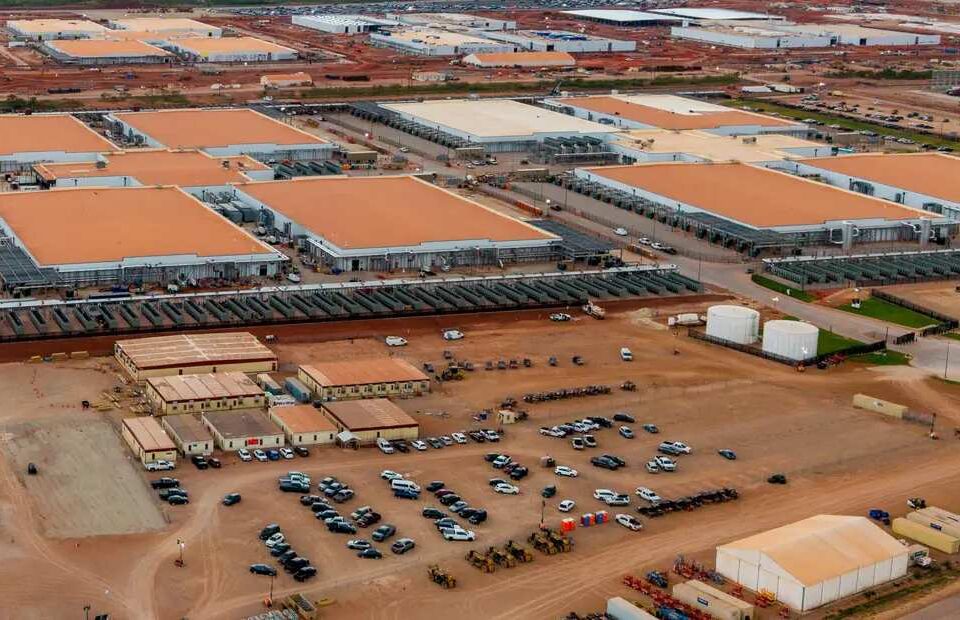
The global AI infrastructure boom is heading toward a staggering milestone. Data center spending is projected to surpass $1 trillion in 2026, then more than double to $2.1 trillion by 2028, according to a new Bank of America Global Research forecast. The surge reflects the enormous cost of building the computing infrastructure needed to train and run increasingly sophisticated artificial intelligence systems.
The forecast, published Friday, October 23, paints a picture of an industry pouring unprecedented amounts of money into servers, networking equipment, electricity infrastructure, and cooling systems. What started as a race to secure advanced AI chips has grown into a multitrillion-dollar construction and infrastructure spending boom, creating new opportunities for companies far beyond Silicon Valley.
The global data center market, valued at $275 billion in 2022, could reach $2.93 trillion by 2030. The bank expects AI demand to drive a compound annual growth rate of 37% from 2025 through 2030, Reuters reported, citing the Bank of America research note.
The figures highlight just how expensive the AI race is becoming. Building larger models and serving millions of users requires vast amounts of computing capacity, pushing technology companies to invest heavily in new facilities and the equipment inside them.
For investors, the numbers suggest that the infrastructure spending cycle supporting artificial intelligence could extend well beyond the current wave of investment in AI chips.
AI Gold Rush to Drive Data Center Spending Past $2 Trillion by 2028
Chipmakers and server manufacturers have captured much of the attention surrounding the AI spending boom, particularly in the United States. Nvidia has become a central supplier of the processors used to train advanced AI models, and demand for high-performance computing equipment continues to shape investment decisions across the technology industry.
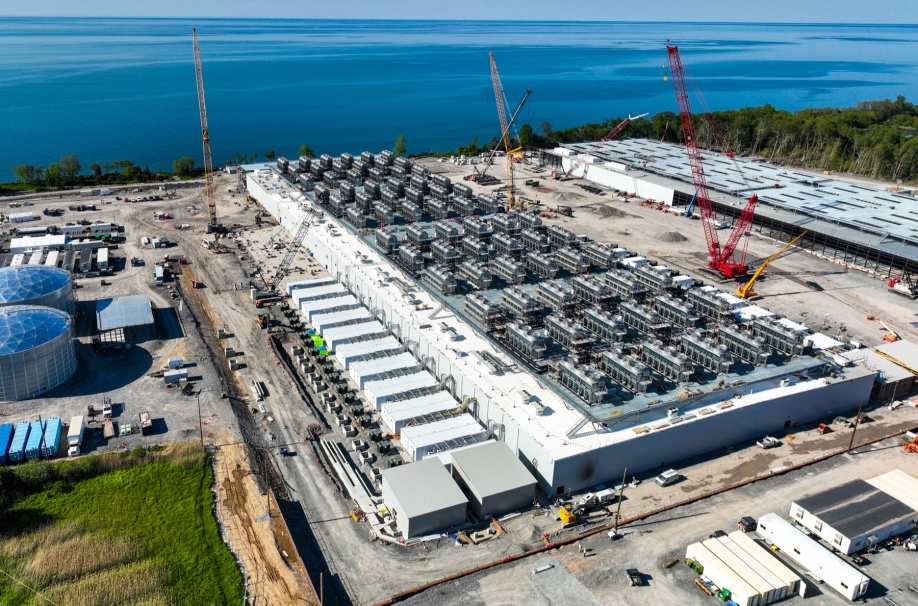
Credit: FluidStack
Yet Bank of America’s estimates reveal how much money is flowing into the broader infrastructure required to keep those machines running.
The bank estimates that data center development costs approximately $49 million per megawatt of capacity, with information technology equipment accounting for 78% of total spending.
Servers represent the largest expense, costing an estimated $31.4 million per megawatt. Networking equipment follows at $4.8 million per megawatt.
AI-focused facilities, often called neoclouds, carry an even higher price tag. Bank of America estimates their costs at approximately $57 million per megawatt, reflecting the specialized hardware and infrastructure needed to support intensive AI workloads. These facilities can operate with smaller physical footprints than conventional data centers.
The spending extends well beyond processors and servers.
Companies manufacturing electrical switchgear, generators, backup electricity systems, chillers, and cooling equipment are becoming increasingly important suppliers to the AI industry. Bank of America estimates individual infrastructure components in these categories cost between $100,000 and $1.1 million per megawatt.
That creates a significant opportunity for industrial manufacturers, engineering firms, and construction companies whose businesses have historically had little direct exposure to the technology sector.
The spending projections come with significant risks. Data center developers face growing challenges securing electricity, obtaining construction permits, and connecting new facilities to electrical grids. Rising costs and local opposition to large developments could slow projects or make them more expensive.
A financial question remains, too. Technology companies are committing enormous sums to AI infrastructure, but the long-term returns will depend on whether revenue from AI products and services can justify the investment.
Bank of America’s forecast is a projection, not a guarantee. The pace of spending will depend on AI adoption, financing conditions, and the industry’s ability to bring new capacity online.
Still, the scale of the forecast signals a major shift in where technology investment is heading.
The next phase of the AI boom may be measured just as much in megawatts, concrete, and cooling capacity as in chips and algorithms.