Tesla will wind down Cybertruck production in Texas next year to make way for Cybercab robotaxis, Musk says
 Daniel Levi
Posted On November 6, 2026
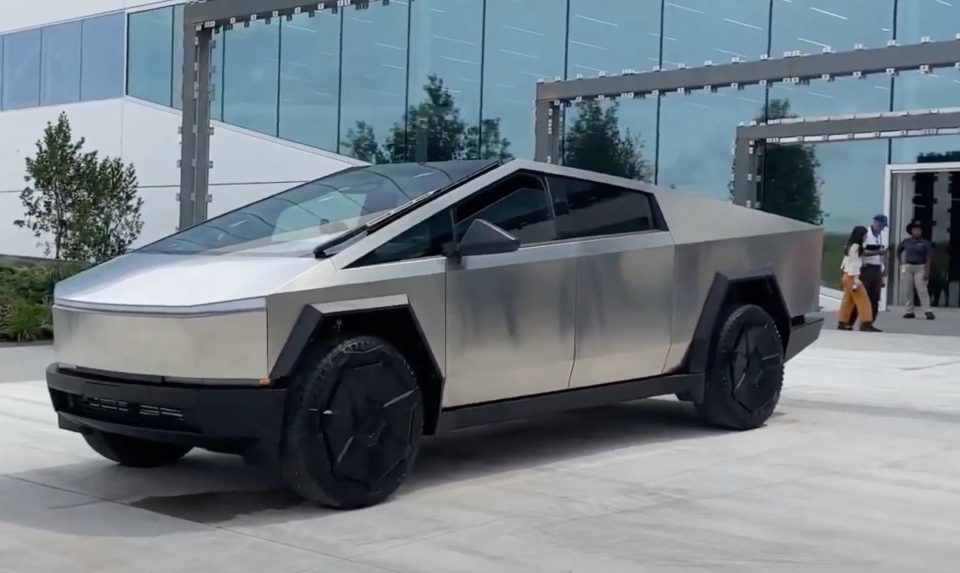
Tesla is preparing to wind down Cybertruck production at its Texas gigafactory by mid-2027, a stunning reversal for a vehicle Elon Musk once predicted would redefine the pickup truck market. The company is clearing production capacity for its Cybercab robotaxi, signaling where Musk believes Tesla’s future now lies: autonomous transportation rather than conventional vehicle sales.
Musk announced the decision in a post on X early Friday, November 6, marking a major turning point for one of the most recognizable and controversial vehicles in Tesla’s history.
“Tesla will be winding down production of the Cybertruck at Gigafactory Texas around the middle of next year to make room for increased Cybercab production,” Musk wrote on X.
Tesla will be winding down production of the Cybertruck at Gigafactory Texas around the middle of next year to make room for increased Cybercab production
— Elon Musk (@elonmusk) November 6, 2026
The announcement comes just three days after the November 3 midterm elections, when Elon Musk’s reported $474 million in political spending failed to prevent sweeping Democratic victories. Voters in several communities also approved restrictions on AI data centers, signaling growing resistance to the industry’s massive infrastructure expansion.
The Cybertruck, introduced with enormous expectations in 2019, has struggled to attract mainstream buyers since deliveries began in late 2023. Its futuristic stainless-steel design generated headlines and a devoted following, but sales have fallen far short of Musk’s original ambitions.
Tesla has not confirmed whether Cybertruck production will move to another factory or stop altogether. The company’s Austin facility is currently the only known plant equipped to manufacture the electric pickup.
Responding to an X user who described the announcement as an “end of an era” and called the Cybertruck the “best vehicle Tesla has ever made,” Musk acknowledged the sentiment.
“True, but the Cybertruck fleet will be around for a long time,” Musk said.
The announcement raises a larger question about Tesla’s direction as Musk shifts the company’s attention from selling electric vehicles to building a business around self-driving technology.
From Cybertruck dreams to Tesla’s robotaxi ambitions
When Musk unveiled the Cybertruck in November 2019, he presented it as a radical departure from traditional pickups.
“Trucks have been the same for a very long time,” Musk said at the unveiling. “Like 100 years. Trucks have been basically the same. We want to try something different.”
Tesla initially projected annual Cybertruck sales could eventually reach 250,000 vehicles. The reality has been considerably different.
According to estimates from automotive research firm Cox Automotive, Tesla sold about 20,237 Cybertrucks in the United States in 2025, down 48% from 38,965 units in 2024, CNBC reported. Those figures represent a fraction of the annual sales Musk once envisioned.
The truck’s commercial struggles extended beyond weak demand. Its unconventional design divided buyers, and the vehicle faced repeated recalls, manufacturing issues, and quality complaints. Pricing changes and specifications that fell short of early promises further complicated its attempt to compete against established pickup brands.
For Tesla, the decision to reduce Cybertruck production offers an opportunity to redirect factory capacity toward a vehicle Musk considers far more important to the company’s long-term strategy.
That vehicle is the Cybercab, a two-seat autonomous robotaxi built around Tesla’s vision of transportation without human drivers.
Unlike the Cybertruck, which competes in the established pickup market, Cybercab represents a bet on an entirely different business model. Tesla wants autonomous vehicles to transport paying passengers, potentially generating revenue through a robotaxi network rather than relying solely on one-time vehicle purchases.
The strategy carries significant risks. Autonomous driving remains subject to regulatory scrutiny, safety requirements, and questions about whether Tesla can deliver reliable driverless operations at commercial scale.
Cybertruck’s retreat is particularly striking considering the attention Tesla invested in the vehicle. Its angular body, stainless-steel exterior, and unconventional engineering made it one of the most discussed automotive launches in recent memory. That attention never translated into the sales volume Tesla had anticipated.
The decision does not necessarily mean the Cybertruck will disappear from American roads. Existing vehicles will remain in circulation, and Musk has left open the possibility of continued production elsewhere.
For Tesla, the bigger story is what replaces it.
A pickup truck once marketed as the future of transportation is making room for a vehicle designed to operate without a driver. Whether Cybercab succeeds where Cybertruck struggled will depend on Tesla turning its autonomous driving ambitions into a viable business.