Startup Funding News Today, November 6, 2026: Zipline, Harbinger, Humble Robotics, Kalepa, Ocient & More
 Nickie Louise
Posted On November 6, 2026
One drone-delivery startup just raised more capital than most companies will see in a lifetime. Zipline secured $1.5 billion at a $21.5 billion valuation, leading a new wave of venture investment in companies building the infrastructure, machines, and specialized software that could shape the next phase of technology adoption. The financing comes as Walmart prepares to expand Zipline’s delivery network by hundreds of locations, turning a technology once associated mainly with medical deliveries into a potentially much larger consumer logistics business.
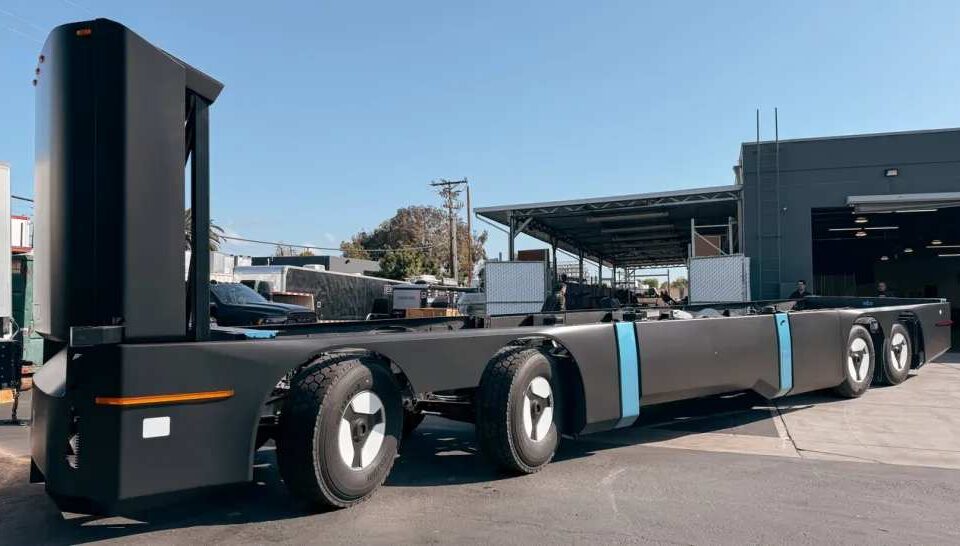
But Zipline wasn’t the only company attracting significant capital. Electric commercial vehicle manufacturer Harbinger raised $240 million to expand manufacturing and develop new industrial technologies. Chicago-based Ocient secured $100 million to help enterprises analyze enormous datasets, while insurance AI startup Kalepa raised $75 million at a $470 million valuation. Autonomous trucking startup Humble Robotics added $51 million to develop electric freight vehicles built without driver cabs.
The investment activity extended across Europe and Asia. Dutch biotechnology startup Anaheim Bio raised €40 million to develop a treatment for a painful form of arthritis. Sweden’s Green Voltis secured €13.5 million for AI-assisted energy storage management, while Finland’s Vensum Power raised €9 million to improve electrical conversion efficiency. In China, Bopu Semiconductor announced several hundred million yuan for silicon photonics, and Langu New Energy secured nearly RMB 200 million for advanced battery materials
The five dollar-denominated rounds total $1.966 billion, with Zipline accounting for approximately 76% of that amount. Three European rounds contribute another €62.5 million, while the Chinese transactions add substantial renminbi financing that cannot be totaled precisely because Bopu did not disclose an exact figure.
The dominant theme is the growing importance of technology that works beyond a software interface. Investors are financing autonomous transportation, semiconductor communications, electricity infrastructure, and enterprise systems with measurable business applications. AI remains important, but today’s announcements suggest that manufacturing capabilities, distribution, operating costs, and technical reliability are becoming increasingly influential investment considerations.
The Macro Environment: Venture Capital Is Backing the Infrastructure Behind Technology Adoption
The most important development in today’s funding activity is capital’s concentration in companies with substantial physical operations.
Zipline and Harbinger raised $1.74 billion together. Both are developing technologies that require manufacturing facilities, specialized engineering, and extensive deployment infrastructure. Their businesses cannot expand through additional software subscriptions alone. They must build equipment, support customers, and manage the costs associated with delivering physical products and services.
That capital intensity helps explain why their financing rounds are considerably larger than those announced by several software companies. Zipline needs drones, distribution sites, maintenance operations, and manufacturing capacity. Harbinger must produce commercial vehicles and related industrial systems. By comparison, Kalepa is developing software that insurers can incorporate into existing operations, while Ocient is expanding a data platform used by enterprises handling extremely large information volumes.
The AI-related transactions reveal a different form of investor conviction. Rather than financing another general-purpose chatbot, investors are supporting specialized systems that address expensive operational problems. Kalepa is targeting underwriting efficiency. Ocient is addressing data processing and governance. Bopu is developing photonic components that could reduce communication constraints inside AI computing clusters. Green Voltis and Vensum are pursuing technologies that can improve how electricity is managed or delivered.
The geographic distribution also deserves attention. Five selected companies are headquartered in the United States, three in Europe, and two in China. That reflects the qualifying announcements during this particular 24-hour period rather than a comprehensive measure of global venture capital activity. The absence of a large round from another region should not be interpreted as a lack of investment interest there.
Several transactions also show how strategic relationships can influence investment decisions. Uber participated in Zipline’s financing and is working with the company on delivery services. FedEx invested in Harbinger and has separately placed a substantial vehicle order. Semiconductor investors backing Bopu are supporting capabilities relevant to China’s domestic computing infrastructure.
However, evaluate commercial partnerships and investor participation separately. A strategic investor may provide valuable market access, but that relationship does not automatically guarantee future revenue or profitability.
The broader pattern is selective investment in businesses that can solve measurable problems involving cost, capacity, reliability, or access to important technology. The size of the investments demonstrates financial commitment, but the operating results that follow will determine whether that commitment was justified.
Zipline raises $1.5B in funding to build a nationwide autonomous drone delivery network
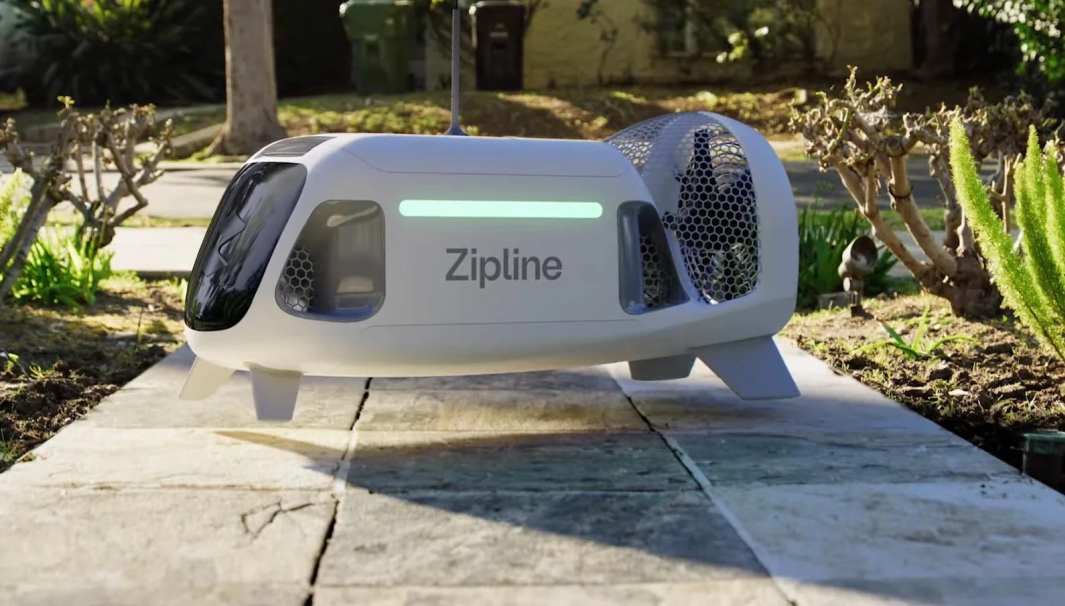
Zipline has raised $1.5 billion in a new funding round, valuing the delivery startup at a $21.5 billion post-money valuation. The raise makes it the largest verified funding announcement in today’s report.
Paradigm, WCM Investment Management, and Layer Global led the round. Participating investors included Valor Equity Partners, Fidelity Management & Research Company, Uber, Tiger Global, J.P. Morgan, ARK Invest, and Salesforce Ventures. Zipline did not identify a conventional funding-stage designation in its announcement.
Founded in 2014 and headquartered in South San Francisco, Zipline manufactures autonomous delivery drones and operates the infrastructure supporting them. The company originally built its business around delivering medical supplies, including blood, to healthcare facilities in African countries. It has since expanded into consumer deliveries involving food, retail products, and healthcare goods.
Zipline announced that Walmart plans to add 300 delivery sites under a new multiyear agreement. The company also said Uber is targeting one million daily deliveries through the partnership by 2029. Those figures represent expansion plans and future objectives, not existing operating volumes.
Zipline reports completing more than one million deliveries in the Dallas–Fort Worth metropolitan area during 2026. It also says the median customer order in October arrived 19 minutes after checkout. These performance figures are company-reported.
Why this round matters
Zipline’s financing reflects investor expectations that autonomous delivery can become a substantial transportation and logistics business. The company’s potential advantage comes from combining aircraft manufacturing, logistics software, delivery infrastructure, and operating experience. That integration is expensive to develop but could make the business difficult for new competitors to reproduce.
Zipline must nevertheless prove that its economics work as the network expands. Investors should examine delivery density, maintenance costs, aircraft utilization, customer acquisition, regulatory compliance, and revenue per delivery. Competition from other drone delivery providers and conventional logistics companies will also influence pricing.
The valuation is particularly significant. Zipline announced a $7.6 billion valuation in January 2026, meaning its latest reported valuation is almost three times that level. Today’s total excludes the earlier financing. A higher valuation demonstrates investor expectations, not necessarily a corresponding increase in revenue or profitability.
Funding Details
Startup: Zipline
Investors: Paradigm, WCM Investment Management, Layer Global, Valor Equity Partners, Fidelity, Uber, Tiger Global, J.P. Morgan, ARK Invest, Salesforce Ventures
Amount Raised: $1.5 billion
Total Raised: Not disclosed on a fully reconciled lifetime basis
Funding Stage: Not disclosed
Funding Date: November 5, 2026
Headquarters: South San Francisco, California, United States
Sector: Autonomous systems/robotics/logistics infrastructure
Valuation: $21.5 billion post-money
Harbinger raises $240M in funding to expand electric commercial vehicles and industrial technology
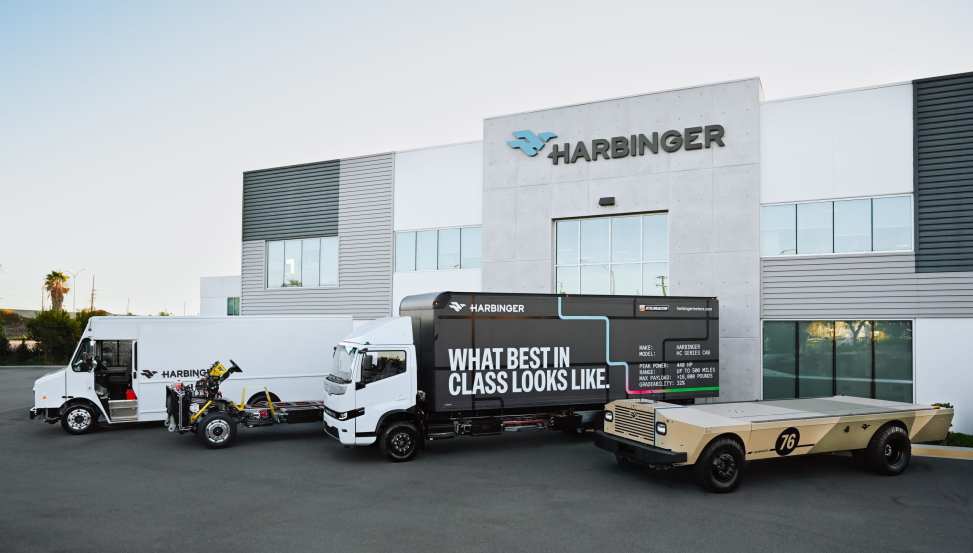
Harbinger raised $240 million in Series D financing co-led by Tiger Global, Capricorn’s Technology Impact Fund, and Ridgeline. Additional investors included Fidelity Management & Research Company, Squarepoint Capital, Xantium, Maniv, Greycroft, FedEx, THOR Industries, and others. The investment brings Harbinger’s cumulative funding to more than $650 million
Founded in 2021 and based in Garden Grove, California, Harbinger develops electric commercial vehicle platforms and related industrial technology. Its products include electric and hybrid vehicle systems intended for medium-duty transportation.
The company also develops energy storage, auxiliary power systems, and technologies for other industrial applications. Harbinger manufactures key components internally, giving it greater control over integrating batteries, power electronics, vehicle platforms, and software.
The company’s new financing will support manufacturing expansion and development across commercial transportation, energy systems, autonomy, and defense applications. FedEx recently ordered 2,000 electric Harbinger trucks valued at more than $300 million. That vehicle order is a commercial commitment, not an additional equity investment or capital raised.
Why investors are backing Harbinger
Electric commercial vehicles compete primarily on total operating economics. Fleet operators care about purchase prices, energy costs, maintenance, reliability, vehicle availability, and the ability to complete demanding routes.
Harbinger’s vertically integrated model could offer advantages if it lets the company control costs and improve product performance. Its relationships with major transportation businesses also create opportunities to expand production volumes. However, vehicle manufacturing requires substantial working capital, supplier management, quality control, and dependable production processes.
The company faces competition from established truck manufacturers and other electric commercial vehicle developers. Harbinger’s broader ambitions in industrial energy systems could eventually diversify revenue, but investors should assess those opportunities independently of its existing vehicle operations.
Funding Details
Startup: Harbinger
Investors: Tiger Global, Capricorn Technology Impact Fund, Ridgeline, Fidelity, Greycroft, Maniv, FedEx, THOR Industries, and others
Amount Raised: $240 million
Total Raised: More than $650 million
Funding Stage: Series D
Funding Date: November 5, 2026
Headquarters: Garden Grove, California, United States
Sector: Electric vehicles / industrial technology/energy systems
Valuation: Not disclosed
Ocient raises $100M to bring AI analytics to massive enterprise datasets
Chicago-based Ocient raised $100 million in Series C financing co-led by BOKA Capital and OCA Ventures. Existing investors Greycroft, In-Q-Tel, Blue Bear Capital, Buoyant Ventures, PSP Growth, and Pritzker Group Venture Capital participated, alongside new investor Dallas Venture Capital. The round brings Ocient’s total funding to $260 million.
Ocient develops software for analyzing extremely large datasets. Its platform supports organizations managing petabytes of information, including businesses in telecommunications, financial services, advertising technology, and national security. Such organizations frequently maintain data across multiple systems.
Moving that information between platforms can create additional costs, delays, and security concerns. Ocient’s approach brings analytics and AI applications closer to the underlying data. Its OcientAIQ platform includes data governance, access controls, and tools intended to make analytical results reproducible.
The company is also expanding industry-specific applications designed to help organizations investigate complex information.
Why investors care
Enterprise AI systems increasingly need access to accurate, current business information. A capable language model has limited value if it cannot retrieve appropriate records or distinguish reliable data from incomplete information.
Ocient is attempting to address that problem through infrastructure designed for demanding analytical workloads. Its competitive advantage will depend on performance, integration costs, reliability, and the ability to demonstrate advantages over established cloud analytics platforms.
The company expects revenue to more than triple during 2026. That is a company forecast, not a verified full-year financial result.
For investors, Ocient’s opportunity is tied to a growing need for AI systems that can work with governed enterprise data without requiring organizations to rebuild their entire information infrastructure.
Funding Details
Startup: Ocient
Investors: BOKA Capital, OCA Ventures, Greycroft, In-Q-Tel, Blue Bear Capital, Buoyant Ventures, PSP Growth, Pritzker Group Venture Capital, Dallas Venture Capital
Amount Raised: $100 million
Total Raised: $260 million
Funding Stage: Series C
Funding Date: November 5, 2026
Headquarters: Chicago, Illinois, United States
Sector: Enterprise AI/data infrastructure/analytics
Valuation: Not disclosed
Kalepa raises $75M in funding to automate insurance underwriting and risk analysis
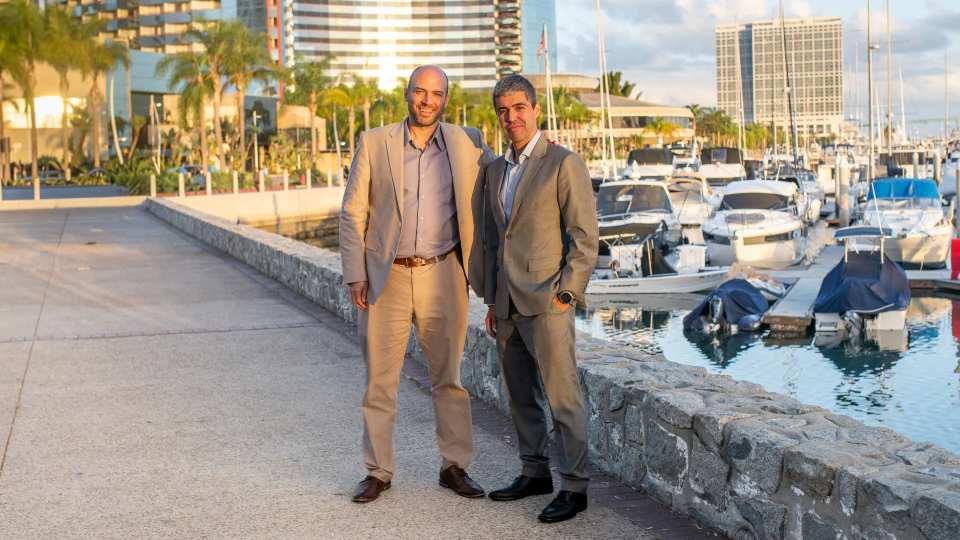
New York-based startup Kalepa raised $75 million in Series B funding at a $470 million valuation. Updata Partners led the financing, with participation from existing investors IA Ventures and Inspired Capital. The investment brings Kalepa’s cumulative funding to $91 million.
Kalepa develops AI software for commercial insurance companies and managing general agents. Insurance underwriting involves evaluating risks, reviewing documents, setting prices, and deciding whether to issue policies. Those processes often require substantial manual work.
Kalepa’s platform helps insurers automate selected activities across underwriting, pricing, operations, and portfolio management. Its customers include W.R. Berkley, Bowhead Specialty, and AmRisc.
Kalepa says its revenue and customer count have each tripled over the past year. It also reports remaining cash-flow positive for more than two years. Those financial claims come from the company and were not independently audited in the reviewed reporting.
Why this financing stands out
Kalepa represents a different investment opportunity than the infrastructure-heavy companies driving today’s funding totals. Its customers already spend substantial amounts evaluating commercial insurance risks. Software that reduces administrative work while maintaining underwriting quality could generate measurable financial benefits.
Kalepa says insurers using its technology have improved productivity, including faster quotation processes. However, investors should distinguish workflow improvements from sustained underwriting profitability. Faster decisions do not automatically produce better insurance outcomes.
The company’s competitive advantage will depend on accuracy, customer retention, integration with existing systems, and the ability to demonstrate improvements across different insurance products. Kalepa’s reported cash-flow-positive operating history is particularly relevant because it suggests the business may have greater flexibility in deciding how quickly to expand.
Funding Details
Startup: Kalepa
Investors: Updata Partners, IA Ventures, Inspired Capital
Amount Raised: $75 million
Total Raised: $91 million
Funding Stage: Series B
Funding Date: November 5, 2026
Headquarters: New York, United States
Sector: Insurance technology/enterprise AI
Valuation: $470 million
Humble Robotics raises $51M to develop autonomous freight trucks without driver cabs
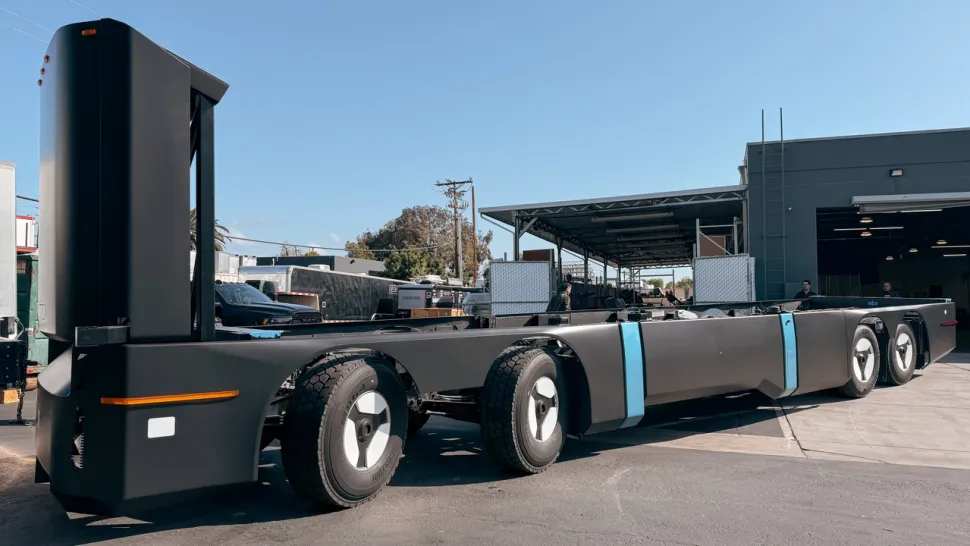
San Francisco-based Humble Robotics raised $51 million in Series A financing led by Obvious Ventures. Existing investors Eclipse and Energy Impact Partners also participated. The round brings Humble’s total funding to $75 million.
The funding news comes as the company prepares to begin testing its autonomous freight transportation model with customers. Humble is developing electric trucks designed specifically for autonomous operation. Unlike conventional trucks adapted with self-driving technology, its Humble Hauler does not include a traditional driver cab.
The company is targeting short-haul freight routes involving ports, warehouses, factories, and distribution facilities. These routes often involve repeated movements between relatively predictable locations.
Humble plans to begin customer pilots in early 2027, initially using conventional vehicles to collect operational information. Its own vehicles remain under development and testing. The company has not yet begun commercial freight operations using its autonomous trucks.
The economic case for cabless freight vehicles
Removing the driver cab could create advantages involving manufacturing costs, vehicle weight, and the use of available space. The company is also pairing electric propulsion with routes suitable for depot charging. However, developing an autonomous truck without a driver compartment introduces significant technical and regulatory challenges.
Vehicles must operate safely around workers, other trucks, loading equipment, and unpredictable obstacles. Humble must demonstrate that its systems can complete freight movements reliably while meeting applicable safety requirements. Its short-route focus may provide a more controlled starting point than unrestricted long-distance autonomous trucking.
For investors, key milestones include completed pilots, operating costs, customer contracts, regulatory approvals, and eventual commercial utilization.
Funding Details
Startup: Humble Robotics
Investors: Obvious Ventures, Eclipse, Energy Impact Partners
Amount Raised: $51 million
Total Raised: $75 million
Funding Stage: Series A
Funding Date: November 5, 2026
Headquarters: San Francisco, California, United States
Sector: Autonomous trucking/robotics / electric transportation
Valuation: Not disclosed
Anaheim Bio raises €40M in funding to develop a treatment for calcium crystal arthritis
Netherlands-based Anaheim Bio launched with €40 million in Series A financing, backed by Droia Ventures, Frazier Life Sciences, RTW, Novartis Venture Fund, RV Invest, and Thuja Capital.
Anaheim was formed from drug development programs spun out of Alesta Therapeutics before Alesta’s acquisition by BioMarin. The acquisition is separate from Anaheim’s new financing and is not counted as startup funding.
Based in Leiden, Anaheim is developing ANA-1, an experimental treatment for calcium pyrophosphate deposition disease, or CPPD. CPPD is a form of inflammatory arthritis associated with the accumulation of calcium pyrophosphate crystals in and around joints. The condition can cause sudden episodes of severe pain and swelling, as well as chronic joint problems. Current treatments primarily address symptoms and inflammation.
Anaheim is pursuing a different approach. Its lead drug candidate is designed to reduce extracellular pyrophosphate, a substance involved in crystal formation. The company expects ANA-1 to enter clinical development in 2027.
Why investors are interested
Anaheim is targeting a medical condition with significant unmet treatment needs. A drug capable of addressing the underlying process responsible for crystal formation could offer advantages over treatments focused primarily on managing symptoms. However, ANA-1 remains preclinical.
The company must complete additional research, establish an acceptable safety profile, and demonstrate effectiveness through human clinical trials. The €40 million financing is intended to support those development milestones. Its existing investor group brings experience in biotechnology and pharmaceutical development.
For investors, the opportunity is substantial but uncertain. Scientific rationale and preclinical results cannot establish that a treatment will succeed in patients.
Funding Details
Startup: Anaheim Bio
Investors: Droia Ventures, Frazier Life Sciences, RTW, Novartis Venture Fund, RV Invest, Thuja Capital
Amount Raised: €40 million
Total Raised: €40 million in disclosed financing for Anaheim Bio
Funding Stage: Series A
Funding Date: November 5, 2026
Headquarters: Leiden, Netherlands
Sector: Biotechnology/therapeutics / inflammatory disease
Valuation: Not disclosed
Bopu Semiconductor raises several hundred million yuan to expand silicon photonics production
Shanghai-based Bopu Semiconductor completed a Series B financing worth several hundred million yuan. Huaying Capital led the round. Other investors included Kailian Capital, the Shanghai Science and Technology Innovation Group’s intellectual property fund, Southeast Space Frame, and Shunyi Investment.
Bopu develops silicon photonics technology that transmits information through optical systems. Its products include photonic integrated circuits and optical circuit switching technology.
Large AI computing clusters must move substantial amounts of information between processors and networking equipment. As those systems grow, communication bandwidth and electricity consumption become important operating constraints. Optical technologies can provide alternatives to some conventional electrical interconnections.
Bopu says it has achieved volume production of selected silicon photonics chips supporting transmission rates of 100 and 200 gigabits per second per lane. The company is also developing larger optical switching systems for advanced computing networks.
The investment opportunity
Bopu’s financing reflects interest in the infrastructure supporting AI computing clusters. Its approach combines chip design, manufacturing processes, packaging, testing, and customized development. That integration could create advantages for customers seeking specialized optical components. However, semiconductor commercialization is demanding.
Investors must distinguish successful manufacturing validation from consistent high-volume deliveries to paying customers.
The company’s next milestones include expanding production capacity, improving packaging, and developing larger optical switching configurations. Its commercial success will depend on reliability, production yields, pricing, and customer adoption.
Funding Details
Startup: Bopu Semiconductor
Investors: Huaying Capital, Kailian Capital, Shanghai Science and Technology Innovation Group IP Fund, Southeast Space Frame, Shunyi Investment
Amount Raised: Several hundred million yuan; exact amount not disclosed
Total Raised: Not disclosed
Funding Stage: Series B
Funding Date: November 6, 2026
Headquarters: Shanghai, China
Sector: Silicon photonics / AI infrastructure / optical networking
Valuation: Not disclosed
Langu New Energy raises nearly RMB 200M to expand solid-state battery materials
Chinese battery materials developer Langu New Energy completed a Series B+ financing worth nearly RMB 200 million. Participating investors included Sinochem-affiliated New Materials Fund, Xinjian Future, Huacheng Venture Capital, Liyang Strategic Emerging Industries Fund, Changzhou New Energy Industry Fund, and Nantong Venture Capital.
Headquartered in Liyang, Jiangsu province, Langu develops electrolyte materials used in advanced batteries. Electrolytes allow ions to move between electrodes during battery operation. Different materials and manufacturing approaches influence battery performance, safety, cost, and operating characteristics.
Langu produces materials for conventional lithium-ion and sodium-ion batteries, as well as products for solid-state and hybrid battery designs. The company says its Liyang facility has begun operating a production line with a stated annual capacity of 10,000 metric tons of oxide solid-state electrolyte materials.
A separate 1,000-ton production facility for all-solid-state electrolyte materials is under construction in Suining, Sichuan province. Production capacity should not be confused with actual sales or utilization.
Why investors are financing battery materials
Battery manufacturers face pressure to improve energy density, safety, performance, and production costs. Advanced electrolyte materials could contribute to those improvements.
Langu’s opportunity is to supply specialized materials to battery manufacturers rather than compete directly as a finished battery producer. However, demand for particular electrolyte products will depend on which battery designs customers adopt.
The company must also demonstrate manufacturing consistency, competitive costs, and dependable supply. For investors, its commercial prospects depend on successful customer qualifications and production economics. The latest financing supports manufacturing expansion, but it does not establish that all-solid-state batteries have reached widespread commercial adoption.
Funding Details
Startup: Langu New Energy
Investors: Sinochem-affiliated New Materials Fund, Xinjian Future, Huacheng Venture Capital, Liyang Strategic Emerging Industries Fund, Changzhou New Energy Industry Fund, Nantong Venture Capital
Amount Raised: Nearly RMB 200 million
Total Raised: Not disclosed
Funding Stage: Series B+
Funding Date: November 6, 2026, China Standard Time
Headquarters: Liyang, Jiangsu, China
Sector: Battery materials/energy storage / solid-state electrolytes
Valuation: Not disclosed
Green Voltis raises €13.5M in funding to manage European battery storage and power markets
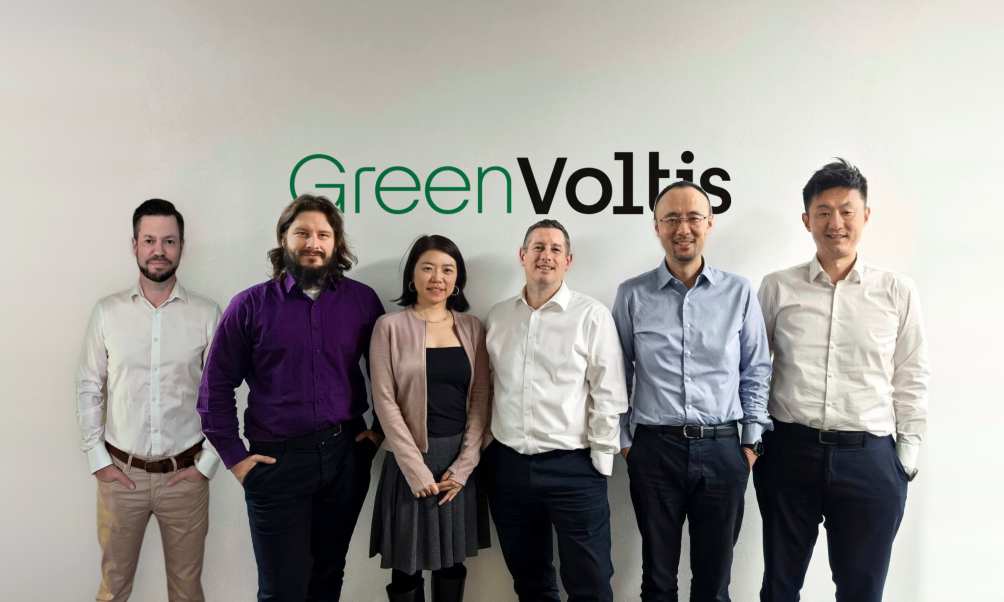
Stockholm-based Green Voltis raised €13.5 million in Series A financing from Lochpine Capital, the round’s sole investor. The financing will support further development of its technology and expansion across European electricity markets.
Green Voltis develops software and operational services used to manage battery storage systems and renewable-energy infrastructure. Electricity storage operators face a complicated commercial problem. Power prices change throughout the day, and revenue opportunities vary across energy trading and grid-balancing markets. Battery operators must decide when to charge, discharge, and reserve capacity.
Green Voltis is developing systems intended to automate those decisions. Its technology includes Chronos, an energy management system, and Aether AI, a trading platform that forecasts prices and optimizes battery operations.
The company reports more than 1.2 gigawatt-hours of battery storage capacity across assets under contract and in operation. That figure includes contractual capacity and should not be interpreted as an entirely operational portfolio.
From energy storage to AI data center infrastructure
Green Voltis is also developing a business intended to connect available electricity infrastructure with computing demand. Its Power-to-Compute initiative targets locations where data center operators may be able to obtain electricity access.
The company reports a development pipeline involving approximately 120 megawatts of potential powered sites in the Nordic region. Those projects remain prospective and should not be counted as operating data centers.
For investors, the broader opportunity is connected to the growing importance of flexible electricity infrastructure. Battery storage can help manage differences between electricity supply and demand.
Green Voltis must demonstrate that its forecasting and control systems consistently improve returns for asset owners while meeting grid requirements. Its competitive position will depend on operating performance, customer relationships, and access to electricity markets.
Funding Details
Startup: Green Voltis
Investors: Lochpine Capital
Amount Raised: €13.5 million
Total Raised: Not disclosed
Funding Stage: Series A
Funding Date: November 5, 2026
Headquarters: Stockholm, Sweden
Sector: Energy storage/electricity trading / AI energy management
Valuation: Not disclosed
Vensum Power raises €9M in funding to improve electricity conversion efficiency
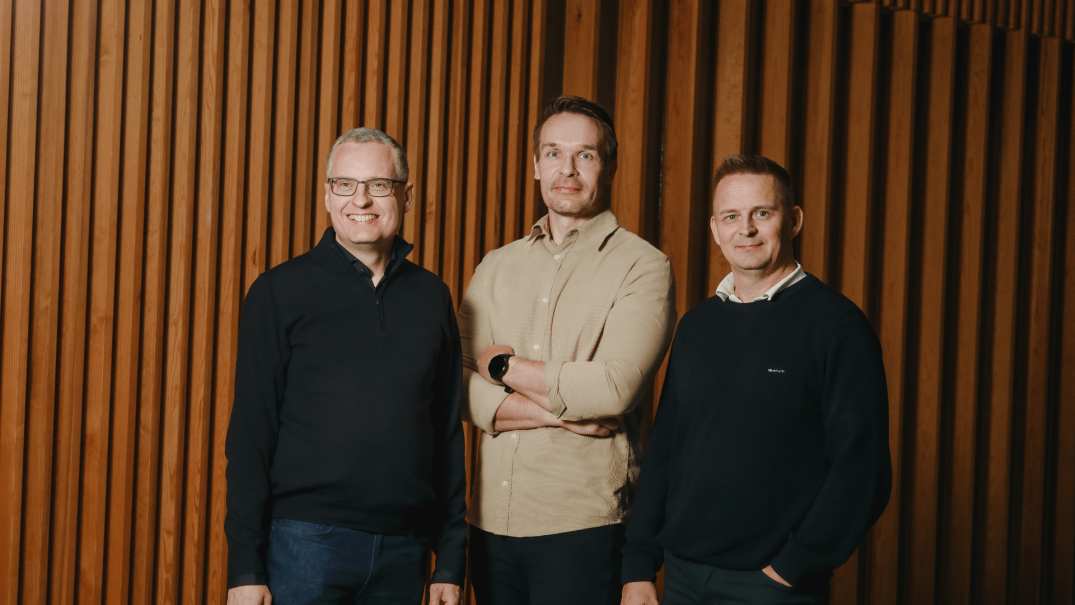
Finnish energy technology startup Vensum Power raised €9 million in Series A financing co-led by Lifeline Ventures, Larsen & Toubro Group, and Eviny Ventures. The investment brings Vensum’s total funding to €15.2 million. The company will use the capital to expand manufacturing and prepare its power conversion technology for broader commercial deployment.
Vensum develops software-controlled power conversion systems. Electricity frequently needs to be converted between different voltages or between alternating and direct current. Every conversion can introduce energy losses. Those losses become financially significant when equipment operates continuously or handles large amounts of electricity.
Vensum is developing technology intended to improve conversion efficiency across changing electrical loads. Its target markets include electric vehicle charging, battery storage, and direct-current microgrids. The company is also exploring applications involving AI data centers.
Why electrical efficiency matters
AI computing and industrial electrification are increasing attention on electricity infrastructure. Improving the efficiency of existing systems can sometimes provide benefits without requiring entirely new generation capacity.
Vensum’s technology could become valuable if it reduces energy losses while meeting reliability and cost requirements. However, the company must demonstrate that its performance advantages remain meaningful under commercial operating conditions. Its plans include moving toward mass production in 2027. That is a future milestone, not evidence of existing industrial-scale output.
For investors, Vensum’s opportunity depends on producing equipment that customers can integrate economically into established electrical systems. The company must prove reliability, manufacturing consistency, and measurable savings.
Funding Details
Startup: Vensum Power
Investors: Lifeline Ventures, Larsen & Toubro Group, Eviny Ventures; existing backers include Grid.vc and Harjavalta
Amount Raised: €9 million
Total Raised: €15.2 million
Funding Stage: Series A
Funding Date: November 6, 2026
Headquarters: Helsinki, Finland
Sector: Power electronics/energy infrastructure / industrial technology
Valuation: Not disclosed
What Today’s Funding Activity Reveals
1. Physical infrastructure accounts for the largest investments
Zipline and Harbinger together represent $1.74 billion in newly announced financing. That is approximately 88.5% of the five dollar-denominated rounds.
Both companies operate businesses involving specialized physical equipment, manufacturing, and logistics. Their funding requirements differ substantially from those of software startups. However, those requirements could also create competitive barriers if the companies achieve attractive production costs and customer utilization.
2. The headline funding total is heavily concentrated
Zipline alone accounts for approximately 76% of the $1.966 billion dollar-denominated total. Without Zipline, the remaining four dollar-denominated rounds total $466 million.
That remains meaningful investment activity, but it produces a very different impression of the day’s financing. One unusually large transaction should not be mistaken for evidence that venture investors are increasing check sizes across every sector.
3. AI infrastructure is spreading into data, networks, and electricity
Ocient, Bopu, Green Voltis, and Vensum address different constraints relevant to advanced computing.
Ocient focuses on enterprise data.
Bopu develops optical networking technology.
Green Voltis manages electricity storage and trading.
Vensum is developing more efficient power conversion.
Not all of these businesses depend exclusively on AI customers. Nevertheless, their technologies could become increasingly relevant as computing infrastructure requires larger data transfers and more electrical power.
4. Vertical AI is attracting capital when commercial value is measurable
Kalepa’s financing shows investor interest in specialized enterprise AI. The company’s products address established insurance workflows. Its value proposition can be evaluated through underwriting productivity, processing times, risk assessment, and customer economics.
That differs from products where adoption is measured mainly through users or activity. The important question is whether improvements in operational speed also produce better financial outcomes.
5. Autonomous transportation is developing through different business models
Zipline, Harbinger, and Humble Robotics illustrate three distinct transportation opportunities.
Zipline operates a delivery network.
Harbinger manufactures commercial vehicles and industrial systems.
Humble is developing purpose-built autonomous freight vehicles.
All three require significant engineering. However, their commercial maturity differs.
Zipline has an operating delivery network, Harbinger has manufacturing operations and substantial vehicle orders, and Humble is still preparing for customer pilots.
6. Energy infrastructure is attracting specialized investment
Langu, Green Voltis, and Vensum work in different parts of the electricity system.
Langu develops battery materials.
Green Voltis manages battery storage operations.
Vensum develops power conversion technology.
Together, the rounds show how investment opportunities can emerge across an industry rather than within a single product category. However, investors should examine each company’s actual customers, manufacturing maturity, and revenue model separately.
7. Healthcare investment remains tied to scientific validation
Anaheim Bio’s €40 million Series A demonstrates continued investor interest in therapies addressing unmet medical needs. The company has an identifiable development program and a group of experienced biotechnology investors. However, it remains at the preclinical stage.
Its financing is a commitment to advancing research, not evidence that a treatment has demonstrated clinical effectiveness.
8. Strategic relationships may improve distribution but do not guarantee success
Uber’s participation in Zipline and FedEx’s investment in Harbinger are notable because the companies operate in markets directly relevant to the startups’ products. Such relationships can provide technical feedback, commercial opportunities, and market access.
However, investors should evaluate the economics of those relationships rather than assuming strategic participation guarantees future profitability.
Tech Funding Table
| Startup | Amount Raised | Sector | Funding Stage | Lead/Key Investors | Country |
|---|---|---|---|---|---|
| Zipline | $1.5B | Autonomous drone delivery/logistics | Not disclosed | Paradigm, WCM Investment Management, Layer Global | United States |
| Harbinger | $240M | Electric commercial vehicles / industrial technology | Series D | Tiger Global, Capricorn, Ridgeline | United States |
| Ocient | $100M | Enterprise AI/data infrastructure | Series C | BOKA Capital, OCA Ventures | United States |
| Kalepa | $75M | Insurance AI/enterprise software | Series B | Updata Partners, IA Ventures, Inspired Capital | United States |
| Humble Robotics | $51M | Autonomous trucking/robotics | Series A | Obvious Ventures, Eclipse, Energy Impact Partners | United States |
| Anaheim Bio | €40M | Biotechnology/therapeutics | Series A | Droia Ventures, Frazier Life Sciences, RTW, Novartis Venture Fund | Netherlands |
| Bopu Semiconductor | Several hundred million RMB | Silicon photonics / optical networking | Series B | Huaying Capital, Kailian Capital | China |
| Langu New Energy | Nearly RMB 200M | Battery materials / solid-state electrolytes | Series B+ | Sinochem-affiliated fund, Xinjian Future, Huacheng Venture Capital | China |
| Green Voltis | €13.5M | Energy storage / AI electricity management | Series A | Lochpine Capital | Sweden |
| Vensum Power | €9M | Power electronics/energy infrastructure | Series A | Lifeline Ventures, Larsen & Toubro Group, Eviny Ventures | Finland |
Funding note: The selected rounds include $1.966 billion in dollar-denominated financing and €62.5 million in euro-denominated financing. The Chinese transactions are reported separately because Bopu disclosed an approximate amount rather than an exact figure. The daily funding figures exclude previously announced rounds, acquisitions, government grants, prospective investments, and historical financing totals.
Strategic Takeaways for Founders and Investors
1. Large funding rounds require equally serious attention to operating economics. Zipline’s $1.5 billion financing creates substantial expansion opportunities, but it also raises expectations. Investors should examine delivery density, equipment utilization, maintenance, and profitability as the network expands.
2. Manufacturing and distribution can strengthen defensibility. Zipline and Harbinger control important parts of their engineering and production processes. Founders building physical technology should consider whether vertical integration provides measurable advantages that justify its costs.
3. Customer orders and recurring revenue provide different signals. Harbinger’s vehicle order from FedEx demonstrates commercial demand, while Kalepa’s software business depends on enterprise adoption and ongoing customer relationships. Investors should evaluate each business using the measures most relevant to its revenue model.
4. AI infrastructure opportunities extend beyond chips and models. Ocient and Bopu are developing technologies that address data processing and networking requirements. Founders seeking opportunities in AI infrastructure should identify specific costs or technical constraints they can reduce rather than relying on general demand forecasts.
5. Enterprise AI should be evaluated against actual business outcomes. Kalepa’s opportunity depends on improving insurance workflows. Investors should assess whether faster processing leads to better underwriting decisions and more attractive customer economics.
6. Autonomous transportation companies need realistic regulatory plans. Zipline and Humble operate in markets where safety and regulatory approvals influence deployment. Founders must factor those requirements into product development schedules and capital planning.
7. Battery technology offers opportunities across the supply chain. Langu develops materials, Green Voltis manages storage operations, and Vensum works on power conversion. Each business addresses a different economic problem. Investors should avoid treating all battery-related companies as interchangeable.
8. Industrial technology must prove performance at commercial scale. Bopu and Vensum are developing technically demanding components. Customer adoption will depend on manufacturing consistency, reliability, and measurable performance advantages.
9. Biotechnology development milestones must remain separate from financing milestones. Anaheim’s €40 million Series A provides capital for research and clinical preparation. The company must still establish safety and effectiveness through appropriate studies.
10. Valuation growth is not the same as operating progress. Zipline’s $21.5 billion valuation and Kalepa’s $470 million valuation reflect investor expectations. Those expectations should be tested against customer adoption, revenue quality, margins, and future capital requirements.
Conclusion
November 6’s startup funding activity reveals a venture market committing substantial capital to businesses that connect advanced technology with real-world operations.
Zipline’s $1.5 billion financing dominates the day’s announced dollar investment and demonstrates investor conviction in autonomous delivery. Harbinger’s $240 million Series D reflects the capital required to expand industrial manufacturing, while Ocient and Kalepa illustrate continued interest in enterprise AI systems that address specific operational problems.
The remaining rounds show opportunities across autonomous trucking, biotechnology, silicon photonics, battery materials, electricity storage, and power electronics.
These businesses face different risks.
Some must increase manufacturing output. Others need to demonstrate commercial adoption, improve operating margins, or complete scientific and regulatory milestones.
What connects them is the need to solve problems that customers or industries already face.
The strongest investment opportunities may not come from developing the most impressive technology, but from building businesses that can deploy it reliably and economically.
Ultimately, today’s financing announcements show where investors are willing to commit capital. The companies’ operating results will determine whether those commitments produce lasting value.