Halo raises $7M to launch HaloBraid, a device that makes braiding 5x faster for stylists
 Nickie Louise
Posted On June 23, 2026
Nickie Louise
Posted On June 23, 2026
For millions of people, braiding is part of everyday life, culture, and routine. It is one of the most common protective hairstyles in the textured hair market. It is also one of the most time-consuming salon services. A single appointment can stretch past six hours, and for stylists, the physical cost can be just as punishing as the clock.
Halo, a startup building technology for textured hair, thinks that is a problem worth fixing. The company said Tuesday it has raised $7 million in seed funding to bring HaloBraid to market, a braid-assist device that helps stylists finish braids up to five times faster after starting them by hand.
The round was led by Seven Seven Six, the venture firm founded by Reddit co-founder Alexis Ohanian, with participation from AlleyCorp and Bling Capital. Halo says the money will go toward product development, stylist testing, manufacturing readiness, and salon partnerships ahead of HaloBraid’s commercial launch later this year.
Textured Hair Startup Halo Raises $7M for HaloBraid, a Device Built to Cut Braiding Time
The startup is entering a part of the beauty industry that has often been overlooked by the broader consumer tech market, even though the need is clear. Braiding remains one of the oldest and most labor-intensive services in hair care. Halo says people spend roughly 8 billion hours a year braiding hair, with many appointments consuming most of a day. That strain falls hardest on stylists, who repeat the same hand motions for hours at a time and often deal with carpal tunnel, joint pain, and early arthritis.
Halo was founded by Harvard Business School alumni Yinka Ogunbiyi and David Afolabi, who developed HaloBraid, a patent-pending braid-assist device designed to dramatically shorten hours-long braiding appointments. The startup grew out of Ogunbiyi’s own experience with braids and the physical demands of the process and is now pitching its first product as a tool that helps stylists work faster without sacrificing control of the craft.
In a Harvard Innovation Labs profile, Halo said HaloBraid could reduce braiding time from six hours to minutes, pitching the device as a way to help stylists serve more clients without adding to the physical toll of braiding.
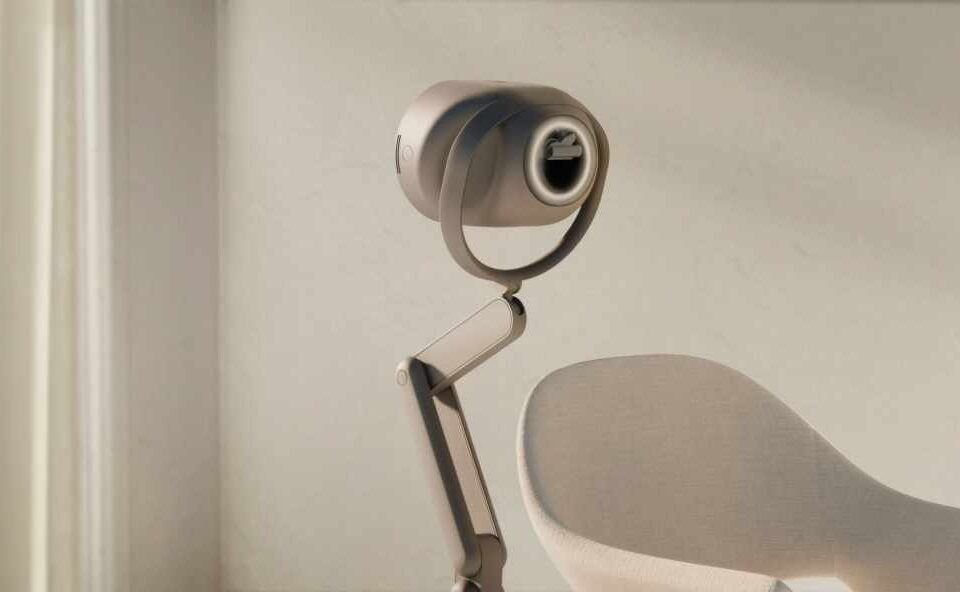
HaloBraid is meant to handle the repetitive middle portion of that work without taking the stylist out of the process. A braider begins each braid by hand, setting the style and structure, then transfers it to the device to complete the remaining length. Halo says the system matches the stylist’s braid pattern and can finish the braid up to five times faster, giving salons a way to serve more clients without asking stylists to push their bodies harder.
“Braiding is more popular than ever but the way we braid hasn’t changed. It’s still time-consuming and painful for stylists and clients alike,” said Halo CEO and founder Yinka Ogunbiyi. “Our technology transforms braiding by speeding up the most repetitive part of the process. We designed this with stylists, using their perspective to build a product that supports them, without replacing them. We’re excited to help stylists and clients reclaim their time in and behind the chair.”
That last point matters. Any company bringing automation into a service business has to answer the same question: is this replacing skilled workers, or helping them do their jobs without burning out? Halo is clearly leaning into the second argument. The company says HaloBraid was built with direct input from stylists, and the product pitch is less about removing labor than removing the repetitive strain that comes with it.
The business case is straightforward. In a survey of 2,000 braid wearers cited by Halo, 95% said they would get their hair braided more often if the process took less time. Stylists, on the other hand, are dealing with the opposite side of that demand curve. Some work overnight to keep up with appointments. Others leave the profession after years of physical wear. If Halo can shorten appointments without compromising quality, it could increase revenue per chair and make the work more sustainable for braiders.
For investors, that combination of a clear pain point, a large addressable market, and a category with little real technical innovation appears to be the draw.
“As an investor, I look for founders that see something broken that everyone else has accepted as fixed. Braiding is a perfect example: it is a process that has not materially changed in thousands of years, despite being one of the most popular hairstyles for millions of Americans and a significant part of the $270 billion salon services industry,” said Alexis Ohanian, General Partner at 776. “Halo has introduced a novel technology to a manual and highly specialized professional service.”
Ogunbiyi’s background helps explain why Halo is trying to tackle this from a hardware angle instead of launching yet another beauty brand. She is a biomechanical engineer and repeat hardware founder who says the idea came from years of wearing braids herself and seeing firsthand how much time and labor the process demands. During the pandemic, she braided her own hair for the first time and said it took four days. That experience pushed her to build something that could take the most repetitive part of braiding off the stylist’s hands.
Before starting Halo, Ogunbiyi co-founded Desora, where she helped develop patented smart cooking devices and brought consumer hardware products to market. She holds a BSc, an MS, and an MBA from Harvard.
Halo’s bigger ambition extends past one machine. The company says HaloBraid is the first product in a broader push to build technology for textured hair, a category that has historically received far less engineering attention than mainstream beauty segments, even though it serves hundreds of millions of consumers globally.
“Innovation in this category is long overdue,” said Ogunbiyi. “HaloBraid is our first product, but our larger vision is to create breakthrough technology that makes textured hair care faster, easier, more comfortable, and more joyful.”
That vision is still early, and Halo now has to prove that the product can hold up in real salons, not just in demos and investor decks. Beauty hardware is hard. Salon workflows are personal. Braiding, in particular, is a craft built on trust, speed, technique, and muscle memory. A device that claims to step into that process has to do more than work. It has to feel natural in the hands of the people who make a living doing it.
If Halo can pull that off, it may have found a rare opening in beauty tech: a product aimed at one of the most time-intensive services in hair care, built for a market that has long had demand but not much real product innovation.

The creators and founders of Halo Braid (also known as Halo) are Yinka Ogunbiyi (CEO) and David Afolabi
Trending Now