SpaceX stock falls below $150 IPO price after $1 trillion sell-off before rebounding
 Nickie Louise
Posted On June 23, 2026
Nickie Louise
Posted On June 23, 2026
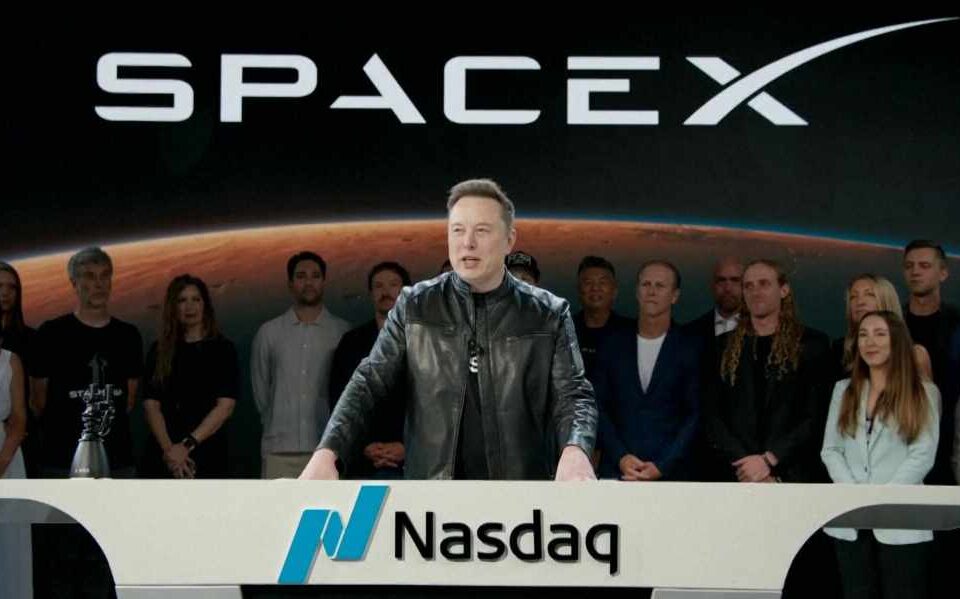
SpaceX’s post-IPO euphoria just ran into gravity.
After roaring out of the gate less than two weeks ago, Elon Musk’s space and AI company briefly slipped below the $150 price of its first trade on Tuesday, a sharp reversal for a stock that had, until recently, looked unstoppable. At its intraday low, SpaceX had shed nearly $1 trillion in market value from last week’s peak before clawing back some of those losses later in the day.
The drop marked the latest twist in one of the wildest debuts Wall Street has seen in years. SpaceX opened trading on June 12 at $150 after pricing its blockbuster IPO at $135 a share, a listing that raised more than $85 billion and briefly turned Musk into the world’s first trillionaire.
The stock then surged, climbing as high as $225.64 on June 16 as investors rushed to buy into Musk’s sprawling bet on rockets, satellites, artificial intelligence, and data centers, according to CNBC. On Friday, SpaceX stock plunges 20% from its peak, leaving the average post-IPO buyer underwater.
That rally has now cooled in a hurry.
Shares of SpaceX fell as low as $148.86 in early trading Tuesday, dipping under their debut trade price for the first time before recovering to around $162.82 as of the time of writing. The move followed a brutal three-session slide, including a 16.4% plunge on Monday that erased about $400 billion in market value in a single day. From its peak last week, SpaceX had lost nearly 34% of its value.

The pullback has been steep enough to wipe out most of the gains enjoyed by investors who chased the stock after its market debut. It has dropped SpaceX from the upper ranks of the world’s most valuable public companies after it briefly surpassed Amazon and Microsoft in market capitalization during its first week of trading.
The selling pressure has not been limited to SpaceX. Tech stocks broadly were under strain Tuesday, with chipmakers and memory stocks dragging down the Nasdaq as investors braced for Micron’s earnings report and wrestled with a bigger question hanging over the AI trade: how much spending is too much? The Dow slipped 0.1%, the S&P 500 lost 0.9%, and the Nasdaq fell 1.3%. Micron led the sell-off, dropping more than 9%, while Tesla and Nvidia also declined sharply, CNBC reported.
That backdrop matters for SpaceX, which has become much more than a rocket company in investors’ eyes. Musk has pitched SpaceX as a hybrid of a launch business, a satellite internet giant, and an AI infrastructure play. That story helped fuel its explosive debut. It is now being tested by the same market anxiety that is hitting the rest of Big Tech: rising capital needs, fresh debt, and growing pressure to prove that massive AI spending will eventually translate into profits.
SpaceX added to those concerns on Monday when it announced a senior unsecured notes offering and disclosed that it had $100.8 billion in cash and cash equivalents as of June 19. The company said the same day that it had signed a major computing-power agreement with the open-source AI startup Reflection, granting Reflection access to Musk’s Colossus infrastructure. The deal adds another layer to SpaceX’s transformation into an AI infrastructure story, but it does not change the fact that investors are suddenly taking a harder look at valuation, debt, and execution risk.
That shift in mood has been swift. Just days ago, SpaceX was one of the market’s hottest trades, lifted by investor enthusiasm over Musk’s ambitions and the sheer scale of its IPO. The stock had rallied more than 50% above its offering price at one point. Today, the mood is very different. A stock that looked like it could do no wrong is now trading with the kind of volatility usually reserved for speculative software names and meme-era momentum plays.
Musk is still the biggest winner on paper. The slide in SpaceX shares knocked roughly $41.7 billion off his fortune at one point, according to Forbes estimates, yet he remains the world’s wealthiest person by a huge margin with a net worth still above $1 trillion.
The bigger question for investors is whether this is simply the comedown that often follows a blockbuster IPO or the start of a deeper re-rating. SpaceX remains one of the most unusual companies ever to hit public markets: a dominant private-space business wrapped inside a far more speculative AI and infrastructure story, all tied closely to Musk’s ability to keep investors believing in the next big leap.
For now, the market seems to be sending a simple message. The first week was about hype. The second week is about what SpaceX is actually worth.