Mercury hits $5.2B valuation after $200M funding to become the go-to bank for AI startups
 Daniel Levi
Posted On May 20, 2026
Daniel Levi
Posted On May 20, 2026
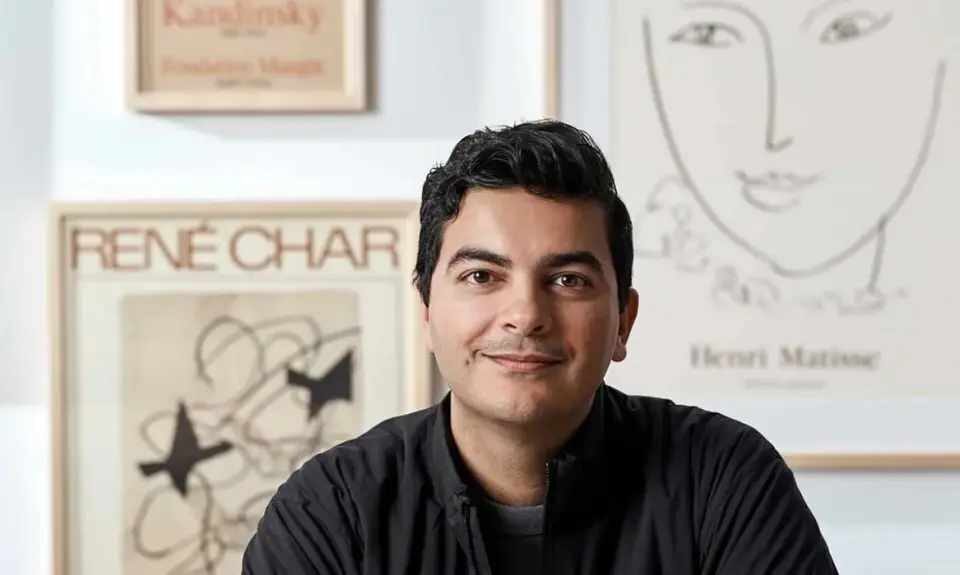
Mercury is betting the next wave of startup founders won’t walk into a traditional bank branch. They’ll build companies with AI copilots, launch products faster than ever, and expect their financial tools to move at the same speed.
That bet just attracted another $200 million from investors.
The startup banking platform announced Wednesday that it has raised $200 million in fresh funding at a $5.2 billion valuation, a sign that investors still see major upside in fintech companies closely tied to the AI startup boom. The round was led by TCV, with participation from existing backers including Andreessen Horowitz, Coatue, CRV, Sapphire Ventures, Sequoia Capital, and Spark Capital, Mercury CEO Immad Akhund told CNBC.
The funding comes at a time when venture capital firms continue pouring money into companies building AI infrastructure, tools, and software. Mercury wants to position itself as the financial backbone for many of those startups.
Founded to serve technology startups, Mercury says it now works with more than 300,000 customers, including one in three U.S. startups. Its client list includes AI coding platform Lovable, voice AI startup ElevenLabs, and Supabase, the backend platform often described as an open-source alternative to Firebase.
Mercury co-founder and CEO Immad Akhund said AI is compressing the time between an idea and an actual business, creating room for newer fintech players to challenge large legacy banks that have long dominated startup banking.
“We’ve seen a lot of growth, especially recently, and a lot of that comes down to AI being a big enabler for entrepreneurship,” Akhund said. “We’re seeing a lot of people doing AI startups, but also non-AI companies where they’re using AI to build an app really easily or build products and websites really quickly.”
Inside Mercury’s Push to Become the Bank for the AI Startup Economy
That shift has become more visible over the past two years as AI tools lowered the technical barriers for launching software products. Small teams can now build and ship products in weeks rather than months, creating a growing class of AI-native companies seeking banking services built around internet-first operations.
“We believe the next generation of entrepreneurs will be AI native and will need a banking partner that helps them run their finances and build at the pace AI itself is setting,” said Neil Tolaney. “We see Mercury as that partner.”
Mercury operates through partner banks and does not currently hold its own banking charter. That limits some of the services it can directly offer customers, including tighter integration with payment networks like Zelle.
That may soon change.
In April, the company received conditional approval from the Office of the Comptroller of the Currency to establish Mercury Bank, a national bank charter that would allow the company to offer banking services directly under federal oversight instead of relying on partner institutions.
The charter could become a major turning point for Mercury as competition intensifies across fintech and startup banking. The collapse of Silicon Valley Bank in 2023 reshaped the startup banking market and opened the door for new players to compete for founders and venture-backed businesses seeking alternatives.
Mercury says it has now posted four consecutive years of profitability on both a GAAP net income and EBITDA basis. The company added that it has reached $650 million in annualized revenue, Reuters reported.
The numbers stand out in a fintech market where many startups are still chasing growth at the expense of profitability. Investors appear increasingly interested in companies showing they can grow without burning large amounts of cash, particularly after the market pullback that followed the 2021 startup boom.
For Mercury, the pitch is becoming clear: if AI changes how startups are built, there’s a chance to rebuild startup banking around them too.