Joby Aviation launches first electric air taxi flights in New York City, cuts JFK trips to 7 minutes
 Daniel Levi
Posted On April 27, 2026
Daniel Levi
Posted On April 27, 2026
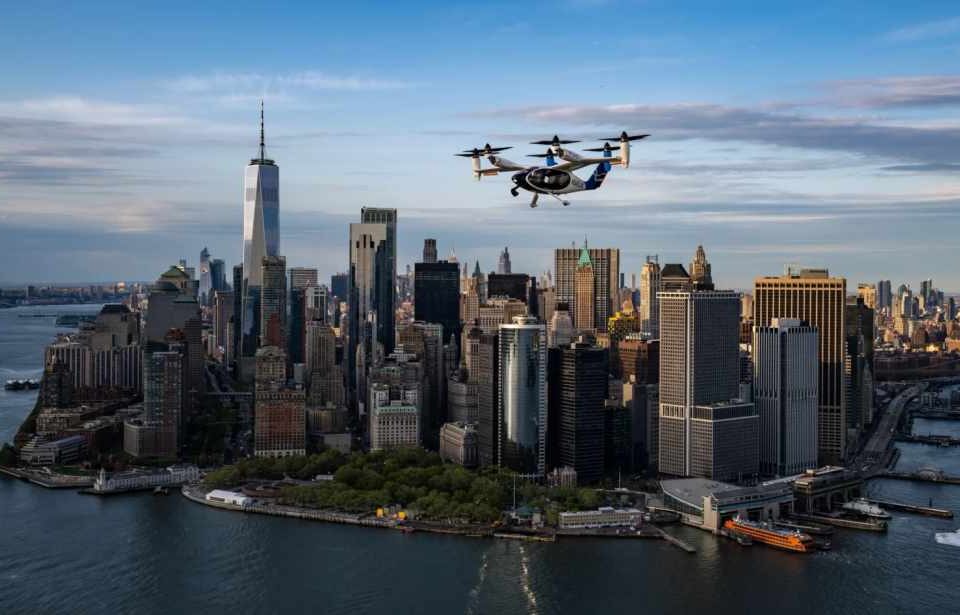
New York just got a glimpse of what commuting could look like if traffic were no longer the default. Joby Aviation has started flying its electric air taxis across the city, turning a long drive between Manhattan and JFK Airport into a flight that takes under ten minutes.
On April 27, the company kicked off a week of point-to-point demonstration flights, linking John F. Kennedy International Airport with Downtown Skyport and the East and West Side heliports in Manhattan. These are real routes, flown over real congestion, showing what happens when a car trip measured in hours becomes a short hop in the air.
“Hello, New York City. 🗽Over the next week, our electric air taxi will showcase a quieter, cleaner, faster way to move through New York, in partnership with the @PANYNJ, @NYCEDC, and @FAANews,” the company said in a post on X.
The aircraft is fully electric, piloted, and quiet enough to blend into the city’s background noise. That matters in a place where helicopters have long faced pushback. Joby says the goal is simple: make one of the most frustrating trips in New York one of the fastest.
“New York has always been a city that defines the future by demanding better,” said JoeBen Bevirt, founder and CEO of Joby. “We first flew here in 2023, and now we’re showing what the next chapter looks like: a quiet, zero operating emissions air taxi service designed to better serve New Yorkers. This week, flying between JFK and Manhattan, we showed what the White House-backed eIPP initiative makes possible and offered New York a look at what’s coming.“
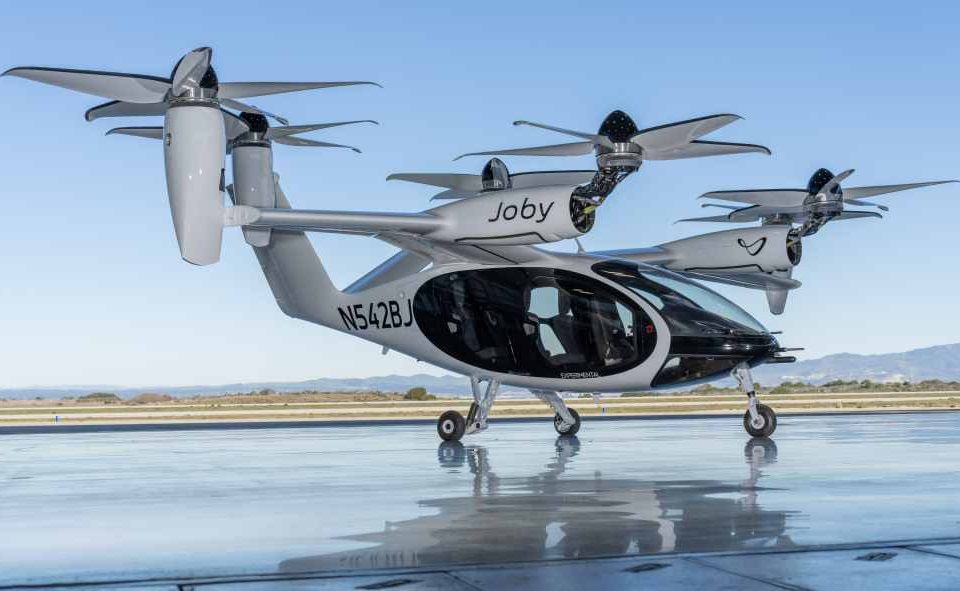
Joby Aviation
The flights are part of a broader push backed by the federal government’s eVTOL Integration Pilot Program, which aims to move electric air mobility from test flights to commercial reality. The effort brings together a long list of partners, including the FAA, the Port Authority of New York and New Jersey, Delta Air Lines, Uber, and the NYC Economic Development Corporation.
For city officials, the appeal goes beyond novelty. The region’s infrastructure already moves hundreds of millions of people each year, and the pressure isn’t easing.
“The bridges, tunnels, airports, and rail lines that the Port Authority operates move hundreds of millions of people through this region every year, and our job is to make sure that network keeps pace with the future,” said Port Authority Chairman Kevin O’Toole. “This cutting-edge aircraft is exactly the kind of innovation we have a responsibility to test, understand, and help shape for the good of the region and the public. These flights advance our work to determine how next-generation aviation technology can serve the people of New York and New Jersey.”
Joby isn’t starting from scratch in New York. The company acquired Blade Air Mobility’s passenger business last year, giving it access to an existing network of heliports and customers. That infrastructure forms the backbone of its plan to scale operations once certification is complete.
The company’s broader pitch ties together air and ground travel into one experience. Through partnerships with Delta and Uber, passengers would book a single trip that includes both the ride to the vertiport and the flight itself. In a city where commuters lost an estimated 102 hours to traffic in 2025, that promise is easy to understand.
Behind the scenes, the aircraft has been built with multiple layers of redundancy, aiming to meet strict aviation safety standards. Noise has been another focus. In tests conducted with NASA, the aircraft registered about 45 decibels when flying overhead at 1,640 feet, quieter than a typical conversation.
New York’s heliports are now being prepared for electric operations, including charging infrastructure that would support a shift away from traditional helicopters. The city sees this as part of a longer-term transition toward cleaner and quieter transportation.
“These historic Joby flights, linking our city-owned heliport to our airports, are proof that the future of advanced air mobility is no longer a Jetsons-esque fantasy – it’s already here,” said NYCEDC Interim President & CEO Jeanny Pak. “NYCEDC is thrilled to usher in New York City’s transition to electric flight, and these flights mark a real milestone in that journey. Building on the progress we’ve made alongside Downtown Skyport and Atlantic Aviation since Joby last flew in NYC skies by upgrading the city-owned heliports to support eVTOL charging infrastructure and Blue Highways maritime delivery, NYCEDC is making New York a more sustainable, greener, and innovative transportation landscape for all New Yorkers.”
The timing aligns with Joby’s national “Electric Skies Tour,” a campaign designed to showcase the aircraft in real-world conditions across major cities. New York is one of the most demanding environments it could choose, which is exactly the point.
Certification from the FAA is still in progress, with Joby now in the later stages of a multi-step process that will determine when commercial service can begin. The company has already logged more than 30,000 miles of flight testing and recently delivered its first aircraft to the U.S. Air Force for operational use on base.
For now, these flights are a preview. The bigger question is whether this shifts from demonstration to daily routine. If that happens, the idea of sitting in traffic on the way to the airport could start to feel outdated.
TechStartups first covered Joby Aviation in 2018, when the eVTOL startup raised $100 million to develop its first air taxi prototype, backed by investors including the venture arms of Intel, Toyota, and JetBlue.