SoftBank’s OpenAI bet pays off as Vision Fund posts $2.4B gain
 Nickie Louise
Posted On February 12, 2026
Nickie Louise
Posted On February 12, 2026
SoftBank made its boldest bet yet. The Japanese investment giant reported a $2.4 billion gain at its Vision Fund in the December quarter, driven by a sharp jump in the value of its stake in OpenAI, CNBC reports. The result marked a clear turnaround from last year’s loss and offered a rare moment of vindication for a fund long known for its extreme swings.
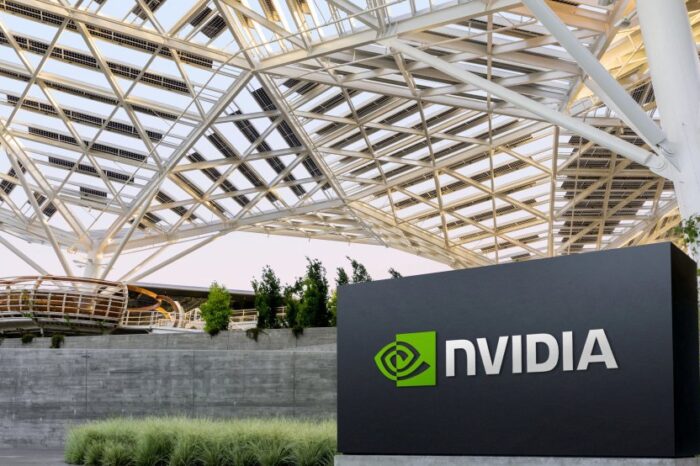
The timing stood out. Just two months earlier, SoftBank had exited its entire position in Nvidia, selling the stake for $5.83 billion and redirecting capital into OpenAI. That move now looks less like a gamble and more like a deliberate pivot.
According to CNBC, SoftBank recorded a $4.2 billion gain tied to its OpenAI investment during its fiscal third quarter, which ended in December. That increase offset declines tied to falling share prices at Coupang and Chinese ride-hailing firm Didi. The quarter still carried pain. A markdown on SoftBank’s holding in TikTok’s parent company, ByteDance, weighed on results.
“SoftBank posted a $2.4 billion gain at its Vision Fund in the December quarter as a jump in the value of its OpenAI investment helped offset losses in some of its other bets,” CNBC reported.
Even so, the group posted a net profit of 248.6 billion yen, about $1.6 billion. The figure fell short of analyst estimates, yet it represented a sharp reversal from the loss posted during the same period a year earlier.
From Nvidia Exit to OpenAI Surge: SoftBank’s Vision Fund Rebounds
At the center of the shift sits a clear thesis. SoftBank wants exposure to what it sees as the defining technology wave of the next decade. Vision Fund investments now focus on AI companies that the firm believes can dominate entire categories.
Founder Masayoshi Son has framed that vision in sweeping terms. In 2024, he said the world stood roughly ten years away from artificial superintelligence, or ASI, which he described as technology 10,000 times more intelligent than humans.
That idea now shows up directly on SoftBank’s balance sheet. Speaking during Thursday’s earnings presentation, CFO Yoshimitsu Goto said 60% of the company’s assets are now “ASI-oriented investments.”
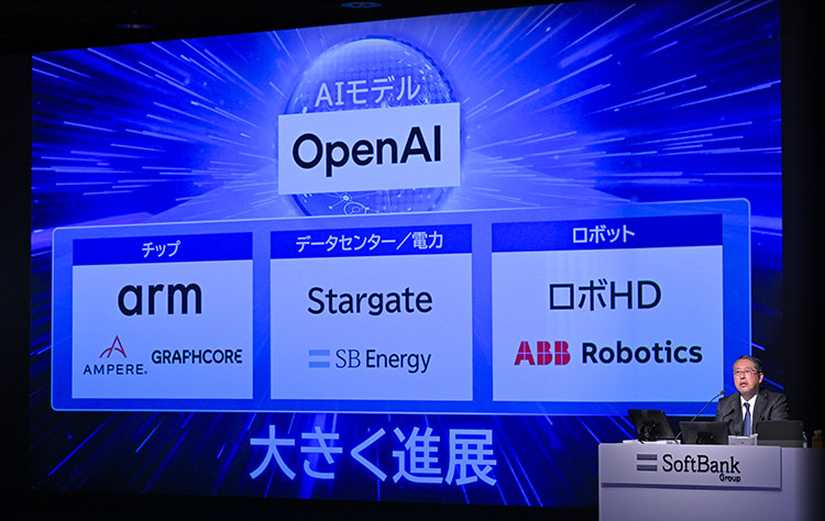
OpenAI sits at the core of that strategy. SoftBank has committed more than $30 billion to the ChatGPT developer and owns roughly 11% of the company. Between April and December, the investment delivered a $17 billion gain, according to SoftBank’s disclosures. Goto described the outcome as proof that “the decision on investment was successful.”
The bet arrives at a moment of rising competition. OpenAI faces pressure from rivals such as Google and Anthropic. Anthropic has taken public shots at OpenAI over its plans to test advertising inside ChatGPT and the scale of its spending. Its Claude Code and Claude Cowork tools have gained traction with enterprise customers.
OpenAI still shows momentum. CEO Sam Altman recently told employees that ChatGPT is “back to exceeding 10% monthly growth,” according to CNBC. Codex, competing with Anthropic’s coding tools, has also posted strong adoption numbers.
SoftBank executives fielded repeated questions about OpenAI during the earnings call, including questions about last year’s internal “code red” amid intensifying competition.
“We assume OpenAI will be able to lead this industry and this era, and we are quite convinced. So that’s [why] we are making an investment in this company,” Goto said.
People familiar with the company’s thinking say OpenAI remains early in monetization. Future revenue streams could come from enterprise subscriptions, hardware initiatives, and advertising. Those paths remain unproven at scale. OpenAI is still unprofitable.
Funding those ambitions has required trade-offs. SoftBank has sold down positions across its portfolio to channel capital toward OpenAI. Beyond Nvidia’s exit, the group sold $12.73 billion in T-Mobile stock between June and December. It has taken out loans backed by holdings such as Arm.
SoftBank’s hardware exposure now sits inside a newly created “AI Computing Segment.” The unit includes Arm, Graphcore, and Ampere. Over the nine months ending in December, the segment posted a loss of 91.8 billion yen, driven by headcount growth and acquisition costs tied to Ampere.
The company sees those assets as foundational pieces for robotics, autonomous vehicles, and data centers.
Investors responded favorably this week. SoftBank shares climbed after a strong performance at its telecommunications arm and a rally in ARM’s stock price. For a company long defined by bold conviction and sharp reversals, the OpenAI wager is starting to look like one of its cleaner calls.