xAI loses two more co-founders after SpaceX mega-merger, five co-founders gone in under a year
 Nickie Louise
Posted On February 11, 2026
Nickie Louise
Posted On February 11, 2026
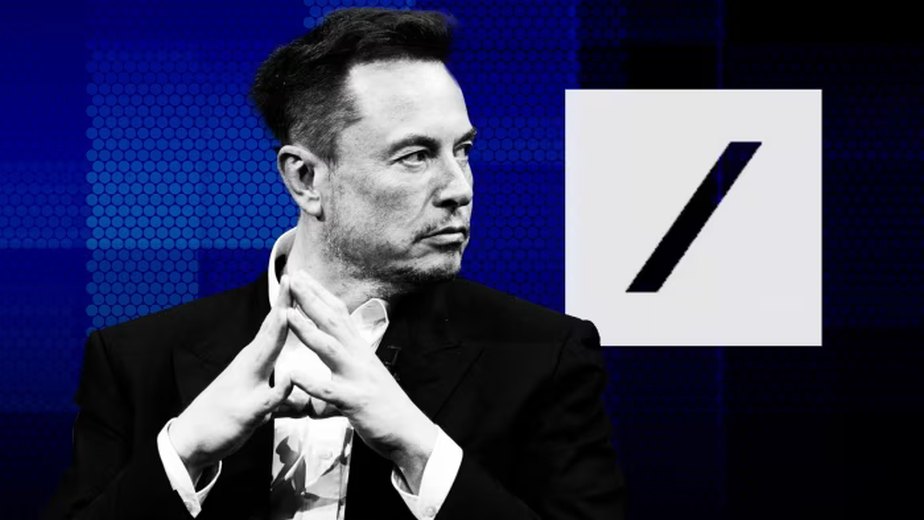
xAI is going to space. Its co-founders are walking out.
The SpaceX merger deal was meant to signal lift-off. Instead, it’s exposing turbulence inside xAI. Just days after Elon Musk folded his artificial intelligence startup into SpaceX, two more xAI co-founders walked out the door. Tony Wu and Jimmy Ba confirmed their departures this week, bringing the total number of founding members who have left the company to five in under a year.
That pace of turnover is drawing attention at a moment when xAI’s ambitions have grown sharply. The company is no longer pitching itself as a fast-moving challenger in generative AI. It is now tied directly to Musk’s space business, linked to plans for orbital data centers, and positioned as a core pillar of a future IPO story that blends rockets, satellites, and large-scale compute.
Wu confirmed his exit in a post on X, writing:
“I resigned from xAI today. This company – and the family we became – will stay with me forever. I will deeply miss the people, the warrooms, and all those battles we have fought together.
It’s time for my next chapter. It is an era with full possibilities: a small team armed with AIs can move mountains and redefine what’s possible. Thank you to the entire xAI family. Onward. 🚀
And to Elon @elonmusk – thank you for believing in the mission and for the ride of a lifetime.”
I resigned from xAI today.
This company – and the family we became – will stay with me forever. I will deeply miss the people, the warrooms, and all those battles we have fought together.
It’s time for my next chapter. It is an era with full possibilities: a small team armed…
— Yuhuai (Tony) Wu (@Yuhu_ai_) February 10, 2026
Wu joined xAI in 2023 after leaving Google and led Grok’s reasoning efforts. He reported directly to Musk and played a central role in shaping the system that powers xAI’s flagship chatbot. No formal explanation was offered for his departure.
Jimmy Ba followed shortly after, posting that 2026 would be the “busiest and most consequential year for the future of our species.” Like Wu, Ba did not spell out what prompted the move. Below is a snapshot of xAI’s original founding roster, showing multiple co-founders who have since departed.
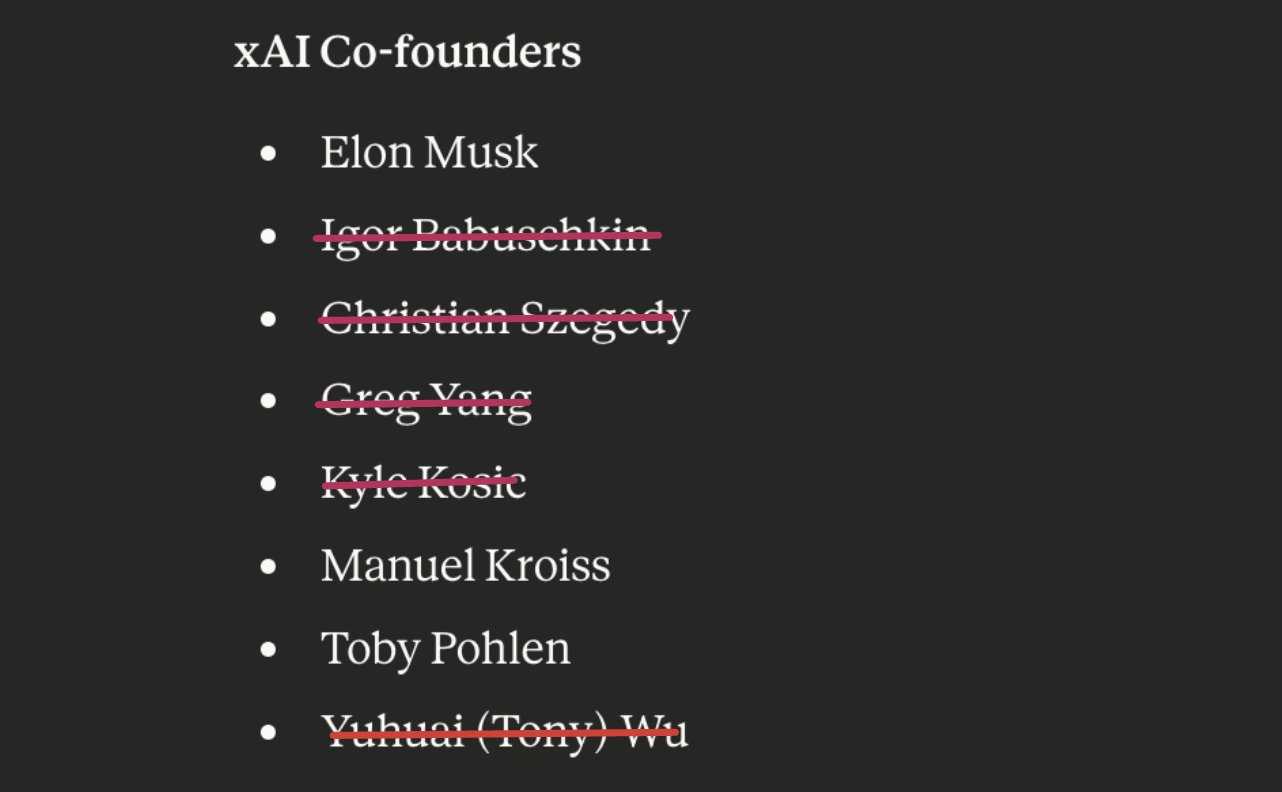
xAI co-founders
Inside xAI’s Growing Turmoil: Five Co-Founders Exit as SpaceX Deal Accelerates
The exits land against reports of internal strain. Musk has grown frustrated with delays to new Grok releases, according to people familiar with the matter, and the long-anticipated 4.20 update has yet to ship. For a company racing against rivals with deeper benches and steadier release cycles, timing matters.
The leadership churn comes as Musk executes the most aggressive consolidation of his companies to date. After previously folding xAI into X, placing Grok directly inside the social network, Musk has now merged xAI into SpaceX. The move ties AI development to launch infrastructure, satellite networks, and federal contracts, while pulling the startup into a far brighter regulatory spotlight.
Financially, the two businesses sit on opposite ends of the spectrum. SpaceX reported roughly $8 billion in profit on $15 to $16 billion in revenue last year, according to people cited by Reuters. xAI, launched in 2023, is still burning cash as it builds data centers and trains large models at scale. The company was valued at an estimated $230 billion after a $20 billion funding round earlier this year, with Tesla committing about $2 billion to deepen the financial links across Musk’s empire.
Musk has framed the SpaceX tie-up as a long-term bet to shift AI infrastructure beyond Earth. SpaceX has already asked the Federal Communications Commission for permission to deploy up to one million satellites for what it describes as an orbital data center. The pitch is simple: move compute off-planet, cut costs, and remove physical limits that constrain growth on the ground.
Still, execution hinges on people as much as hardware. xAI entered the race late, pitching itself as a rival to OpenAI after ChatGPT set off the generative AI boom. Musk, who helped start OpenAI in 2015 before leaving in 2018, is now locked in a legal fight with the company and its CEO, Sam Altman, over governance and direction.
For now, Musk remains publicly confident. He has built companies through chaos before and often treats turnover as the cost of moving fast. The difference this time is scale. xAI is no longer a small lab pushing out models on the edge of the market. It is now tethered to rockets, satellites, defense contracts, and a future where AI compute may orbit the planet.
Five co-founders gone in under a year does not mean the project is failing. It does mean the pressure is real. And as xAI stretches from chatbots to space-based infrastructure, the exits raise a question investors and engineers alike will be watching closely: who is left to carry the weight of Musk’s biggest AI bet yet.