Apollo nears $3.4B funding to back Nvidia chip leasing deal for Elon Musk’s xAI
 Nickie Louise
Posted On February 9, 2026
Nickie Louise
Posted On February 9, 2026
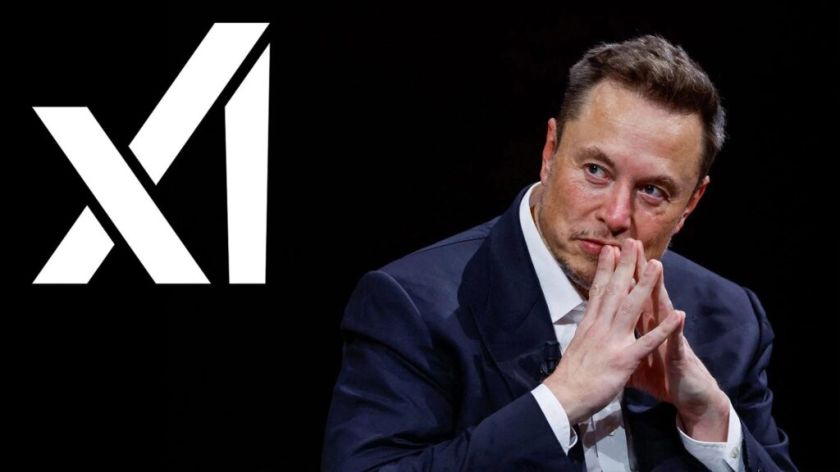
Apollo Global Management is closing in on another multibillion-dollar bet tied to the race for AI compute, one that puts Nvidia chips at the center of Elon Musk’s expanding xAI footprint.
According to a report from The Information, Apollo is finalizing roughly $3.4 billion in funding for an investment vehicle set up to buy Nvidia chips and lease them to xAI. People familiar with the matter say the transaction could be completed as soon as this week. Valor Equity Partners, a longtime backer of Musk-led ventures, is arranging the financing.
The deal closed days after Musk disclosed that SpaceX had acquired xAI in a transaction that valued the rocket and satellite company at $1 trillion and the AI firm at $250 billion. Musk framed the move as a step toward deeper integration between space infrastructure and AI development, pointing to ambitions around orbital data centers that could one day support large-scale computing beyond Earth.
Capital is now flowing to that vision at speed. Big tech firms are expected to spend more than $600 billion this year on advanced chips and data centers needed to train and deploy AI systems. For newer AI players, buying that hardware outright ties up cash at a scale few balance sheets can absorb. Leasing shifts that burden to financial backers willing to take long-dated exposure to compute demand.
Apollo has already moved once in that direction. The firm provided a similar $3.5 billion loan in November to a vehicle that leases high-performance hardware to xAI. Over the weekend, Apollo confirmed that its funds led a $3.5 billion financing round tied to a roughly $5.4 billion data-center compute deal arranged by Valor, Reuters reported. That structure uses a triple-net lease model to support one of the largest compute clusters built for AI model training, with Nvidia acting as an anchor investor in the vehicle.
For Apollo, the strategy reflects a broader push into AI infrastructure finance rather than equity risk in early-stage model builders. For xAI, the arrangement offers a way to scale compute capacity without locking billions into hardware purchases at a moment when demand for Nvidia chips still outpaces supply. The result is a financial bridge between private credit and the physical backbone of AI, one that keeps getting wider as Musk’s ambitions stretch from data centers on Earth to computing that could eventually live in orbit.
Trending Now