Lawhive raises $60M Series B funding to expand across 35 US states
 Daniel Levi
Posted On February 5, 2026
Daniel Levi
Posted On February 5, 2026

For most people, hiring a lawyer still feels slow, expensive, and unpredictable. Lawhive is betting that software can finally change that. The UK-founded legaltech startup has raised $60 million in Series B capital as it pushes deeper into the US consumer legal market, where it already operates in 35 states and plans to reach nationwide coverage.
The round was led by Mitch Rales, co-founder of Danaher Corporation, with backing from TQ Ventures, GV, Balderton Capital, Jigsaw, Anton Levy, and LTS. The raise comes less than a year after Lawhive closed its $40 million Series A. Annual revenue has passed $35 million following sevenfold growth over the past year, a rare pace in a legal industry known for legacy workflows and limited scale.
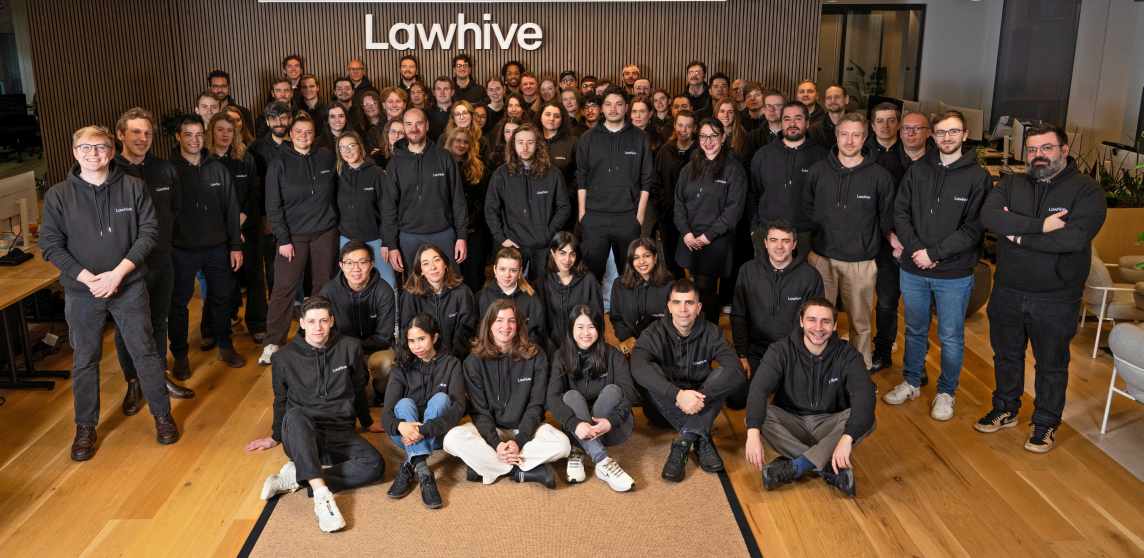
From the UK to the US: Lawhive raises $60M to expand its AI-driven law firm nationwide
Lawhive targets everyday legal problems that affect millions of consumers. Family law, landlord-tenant disputes, employment issues, and civil claims continue to overwhelm small law firms and price many people out of access to legal services. The US consumer legal market generates roughly $200 billion in annual revenue, yet research suggests legal needs worth up to $1 trillion go unmet each year as cases pile up and costs rise.
The company’s approach centers on an AI operating system built for consumer law. Lawhive launched what it describes as the world’s first AI-native law firm in 2023. Today, more than 450 lawyers across the US and the UK use its platform to automate intake, research, drafting, case management, and payments. An AI paralegal called Lawrence supports lawyers and staff across day-to-day work.
That model aims to shift how consumer law gets delivered. Clients gain faster access and clearer pricing. Lawyers spend less time on administrative work and more time on actual legal judgment. Lawhive says tens of thousands of clients have already used the platform across family law, property transactions, consumer rights, and civil disputes.
The US has quickly become Lawhive’s largest growth engine. The company launched in the U.S. in mid-2025 and saw demand ramp up almost immediately. Alongside its Austin presence, Lawhive is opening a New York office to support the next phase of growth.
Pierre Proner, CEO and co-founder of Lawhive, said:
“The pace of growth over the past year reflects the scale of the problem we are tackling. Every day, legal matters remain costly and unpredictable for millions of people, while lawyers are held back by manual processes that limit their efficiency and the scale of their legal practices. AI is finally making it possible to achieve a breakthrough in delivering consumer legal services with the speed and consistency people expect. The reaction from lawyers and clients in the US has been exceptionally strong, and this funding allows us to build on US momentum and scale our model.”
The company also continues to build through acquisition. In 2025, Lawhive acquired Woodstock Legal Services in the UK, bringing additional legal expertise and operational depth to its platform.
Investors point to the business structure as much as the technology. Mitch Rales said: “Lawhive is democratizing legal services by providing access to high quality and transparent consumer legal services. I’m excited for my business building firm, New Bearing, to partner with Lawhive’s talented management team to build operational excellence into everything that Lawhive does for consumers and lawyers. Pierre, his co-founders and I share a mindset that we are building Lawhive for the next decades ahead of us.”
GV partner Vidu Shanmugarajah echoed that view, saying: “For too long, consumer legal services have been expensive, slow and out of reach for many people. Lawhive is changing that by using technology to make high-quality legal help more accessible without compromising on standards. That focus on access and outcomes for consumers is why we’ve continued to support the company as it scales across the US.”
Lawhive enters a fragmented US legal market dominated by thousands of small firms with limited infrastructure. The company’s bet is straightforward. Software can turn those constraints into leverage. If it works, consumer law may finally start to look like a modern service rather than a last resort.
Trending Now