Amazon lays off 16,000 corporate employees in push to reduce bureaucracy and fund AI
 Nickie Louise
Posted On January 28, 2026
Nickie Louise
Posted On January 28, 2026
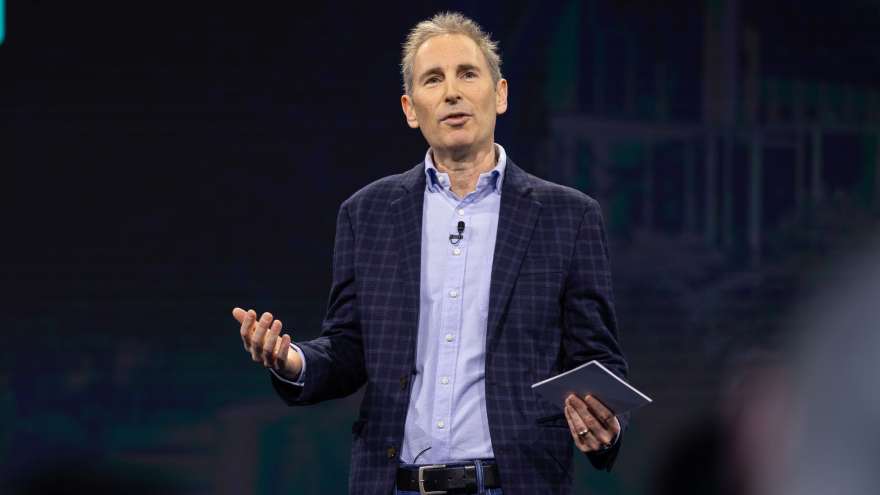
Amazon is cutting roughly 16,000 corporate jobs, marking its second major round of layoffs since October and extending a multiyear effort to slim down the company’s white-collar workforce. The move lands at a moment when the tech giant is pouring billions into artificial intelligence, data centers, and infrastructure, even as it tightens headcount across internal teams.
The company confirmed the layoffs on Wednesday, framing the decision as part of a broader effort to “remove bureaucracy.” In a blog post, Amazon said the cuts are meant to “strengthen our organization by reducing layers, increasing ownership, and removing bureaucracy,” language that mirrors CEO Andy Jassy’s push to make the company operate more like what he has described as the “world’s largest startup.”
“The reductions we are making today will impact approximately 16,000 roles across Amazon, and we’re again working hard to support everyone whose role is impacted,” Beth Galetti, Senior Vice President of People Experience and Technology at Amazon, said on Wednesday.
Amazon’s Layoffs Continue: Amazon Cuts 16,000 Corporate Jobs in Second Major Layoff Round Since October
This latest reduction follows October’s layoffs, when about 14,000 corporate employees lost their jobs. At the time, Amazon signaled that further cuts could extend into 2026 as leaders continued to look for “additional places we can remove layers.” The new round brings total corporate job cuts since October to roughly 30,000, about 10% of Amazon’s corporate and tech workforce of roughly 350,000.
Beth Galetti, Amazon’s senior vice president of people experience and technology, acknowledged the scale of the changes without committing to an end date. She wrote that the company does not plan to establish “a new rhythm” of frequent, broad layoffs, though teams will continue to reassess how work gets done.
“That’s not our plan,” Galetti wrote. “But just as we always have, every team will continue to evaluate the ownership, speed, and capacity to invent for customers, and make adjustments as appropriate.”
Internal uncertainty surfaced earlier this week after some employees in Amazon’s cloud division received an email that appeared to have been sent in error. The message referenced “organizational changes” and pointed to Galetti’s blog post, stating that Amazon had already notified “impacted colleagues in our organization.” Amazon did not respond to a request for comment on the email.
The job cuts affect only a fraction of Amazon’s total workforce. The company reported about 1.58 million employees at the end of the third quarter, most of them working in warehouses, logistics, and delivery operations. Corporate staff make up a much smaller slice of the overall headcount.
Amazon’s workforce contraction stretches back several years. Between 2022 and 2023, the company laid off more than 27,000 employees, followed by smaller, targeted reductions across various units in 2024, CNBC reported. The pullback followed an aggressive hiring wave during the Covid-19 pandemic, when Amazon raced to meet soaring demand for e-commerce and cloud services.
Jassy has spent much of the past two years resetting Amazon’s internal structure. He introduced goals to cut management layers and launched a “no bureaucracy email alias” that employees can use to flag processes that slow decision-making. The message from leadership has been consistent: fewer layers, faster execution, and tighter accountability.
Cost discipline has gone hand in hand with heavier investment in artificial intelligence. Amazon has been trimming experimental businesses and legacy projects to free up capital for AI development and data center expansion. Earlier this week, the company closed its Fresh grocery stores and Go convenience stores, ending years of experimentation in physical retail formats outside Whole Foods.
Capital spending remains aggressive. Last October, Amazon said it expects capital expenditures to reach $125 billion in 2026, the largest forecast among megacap tech companies. A growing share of that spending is tied to AI infrastructure, including chips, servers, and cloud capacity.
Jassy has been direct about how AI fits into Amazon’s long-term workforce plans. Speaking last June, he said that AI-driven efficiency gains would reshape internal roles over time.
“We will need fewer people doing some of the jobs that are being done today, and more people doing other types of jobs,” Jassy said.
For Amazon’s corporate workforce, the message is clear. The company is betting that a leaner structure, paired with massive AI investment, will keep it competitive in its next phase, even if that transition comes with continued disruption within its walls.
Trending Now