Employee benefits startup Ben raises $27.5M Series B backed by Revolut founder Nik Storonsky
 Nickie Louise
Posted On December 17, 2025
Nickie Louise
Posted On December 17, 2025
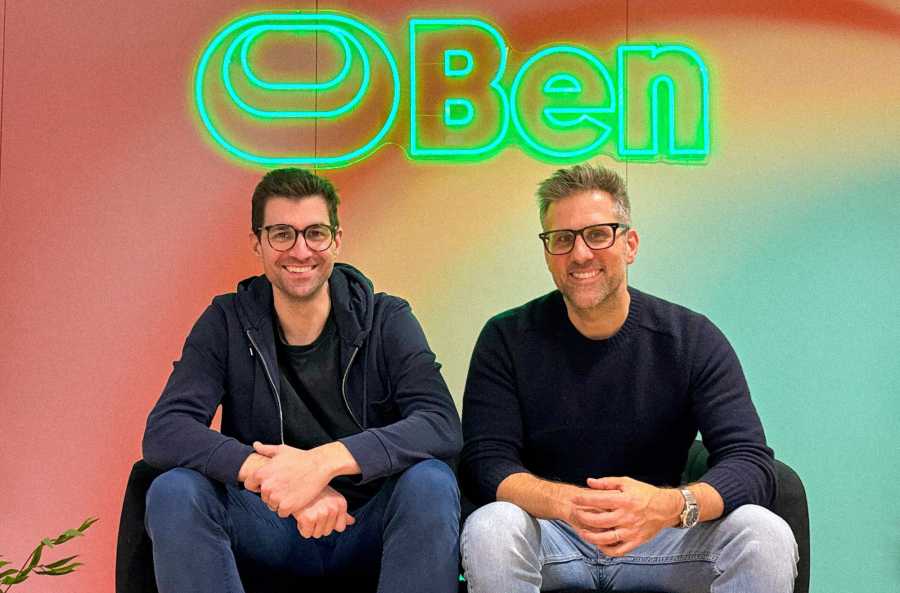
London-based AI startup Ben has raised $27.5 million (£20.8 million) in a Series B round as it pushes to replace aging employee benefits systems used by large, global employers. The company builds software that helps enterprises manage benefits across borders, a task that has become more challenging as workforces spread across countries with different rules, providers, and payroll structures.
The round was led by Mercia Ventures, with continued backing from Atomico, Cherry Ventures, DN Capital, and Seedcamp. Revolut founder Nik Storonsky joined the round through his firm, QuantumLight Capital. Ben’s earlier seed investors include Paul Forster of Indeed, Taavet Hinrikus of Wise, Carlos Gonzalez-Cadenas of GoCardless and Index Ventures, Philip Reynolds of Workday, and Matt Robinson of Nested, who backed the company in 2021.
Ben says demand has surged as large employers move away from legacy benefits platforms that were built for single-country teams. The company now works with enterprises across Europe and North America and supports employees in more than 140 countries. Revenue has grown more than tenfold since its last funding round, according to the company.
Ben Lands $27.5M Series B to Fix Employee Benefits for Multinational Companies
Employee benefits often account for 10% to 30% of payroll, placing them among the highest recurring costs for employers. For companies with thousands of employees spread across multiple jurisdictions, managing health plans, pensions, allowances, and local providers can become a patchwork of manual work and disconnected systems.
Ben’s approach is to bring those pieces together on a single platform that connects employers, employees, brokers, and benefits providers. The software automates administrative work for HR teams, tracks costs and usage in real time, and guides employees based on their location and eligibility.
“Employee benefits have never been more important — and never harder for global employers to manage,” said Sebastian Fallert, co-founder and CEO of Ben. “For years, enterprises have been held back by fragmented systems and manual processes. AI changes that. It gives employers a way to tackle complexity at its source — in the rules, workflows and data that sit between HR, providers and payroll. This investment lets us bring that approach to more markets so benefits teams can spend less time on administration and more time supporting their people.”
Ben was founded in 2019 after Fallert and co-founder David Duckworth saw the same problems from different angles. Fallert previously built and sold travel app JustBook Mobile to Secret Escapes. Duckworth spent years working in financial services at HSBC and Monitor Deloitte. Both had experienced how slow and outdated benefits administration had become inside large organizations.
Their view was that benefits had failed to keep pace with global hiring and modern payroll systems. They set out to rebuild the infrastructure using modern payments and data systems, aiming to give employers greater control and employees clearer visibility into their compensation.
The company’s customer list includes Mondelez, Trainline, Octopus Energy, Deliveroo, and Zalando. With the new funding, Ben plans to expand its go-to-market teams, invest further in product development, and deepen partnerships with brokers and providers.
Jonathan Kruger of Mercia Ventures said the size of the problem drew investors in. “Employee benefits are a huge expense for businesses but the current infrastructure is broken. Ben’s platform brings together employers, employees, brokers and providers to create an intelligent network that delivers value for everyone. The company is growing fast and winning against the big incumbents, and this investment will help to establish Ben as the ultimate platform for modern employee benefit management.”
As enterprises continue to hire across borders, benefits administration has shifted from a back-office function into a strategic concern. Ben is betting that global employers are ready to retire legacy systems and replace them with software built for distributed teams from day one.
Trending Now
Top Tech News Today, March 25, 2026