Zafran Security, a cybersecurity startup founded by former cyber spy, raises $60M to fight AI threats
 Nickie Louise
Posted On December 2, 2025
Nickie Louise
Posted On December 2, 2025
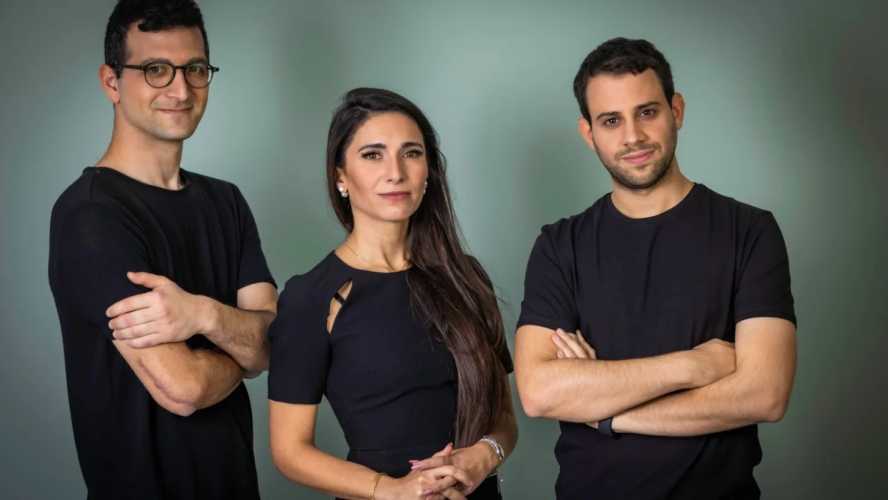
Zafran Security has raised $60 million in funding as demand surges for tools that can keep up with AI-fueled cyberattacks, the company announced Tuesday. The startup is led by Sanaz Yashar, an Iranian-born former spy whose experience helped inspire characters in Apple TV’s “Tehran.” Her work in intelligence and threat investigations gives the company a rare level of real-world credibility in an industry grappling with attacks that are becoming harder to contain.
The new funding brings Zafran’s total raise to $130 million since launching in 2022. The company didn’t share its latest valuation, but it has more than tripled its annual recurring revenue since its previous $70 million round in September 2024. Yashar said the new capital will go toward hiring as demand grows across sectors, trying to shore up defense.
The round was led by Menlo Ventures, with participation from existing investors Sequoia Capital and Cyberstarts. Other backers include PSP Growth, Vintage Investment Partners, and Knollwood Investment. Cyberstarts was an early backer of Wiz, the Israeli security startup that Google bought for $32 billion in March. The broader security market has been consolidating as large firms look for new offensive and defensive capabilities. Palo Alto Networks announced a $25 billion deal for CyberArk earlier this year, underscoring how quickly the landscape is shifting.
With the new funding in place, Zafran is introducing Agentic Exposure Management, providing the company with a platform spanning the full workflow from asset inventory and vulnerability detection to risk assessment and autonomous remediation.
“We must not allow attackers to claim the AI advantage,” said Sanaz Yashar, CEO and Co-Founder of Zafran Security. “This investment propels our AI innovation forward, building a new model for exposure management through autonomous agents that empowers defenders to fight back.”
In an interview with CNBC, Yashar said the pace of cyber incidents has accelerated as the AI boom fuels more automated and aggressive campaigns. It’s “becoming much more severe than it was even a year ago,” she added. Zafran leans on automation and AI to monitor exposure across an organization’s environment and respond before attackers gain ground.
Zafran was born out of an investigation into a ransomware attack on a hospital in Israel. Yashar said the signs that could have prevented the attack were sitting in plain sight. “The data was there,” she told CNBC. She believes the failure came down to siloed tools that weren’t communicating. “If the security tools were talking to each other, they could block it.”
Her background reinforces that point. Yashar moved from Tehran to Israel at 17 and spent 15 years in Unit 8200, the elite Israeli cyber-intelligence unit known for producing founders of companies like Palo Alto Networks, Check Point, and CyberArk. She later led major investigations at FireEye and Mandiant before Google acquired Mandiant in 2022.
Zafran’s customer base spans healthcare, financial services, insurance, technology, and several Fortune 500 companies—sectors where the stakes are high, and the attack surface keeps expanding. With fresh capital, rising demand, and a founder who has lived through the front lines of state-level cyber conflict, the company is positioned squarely in the fight against AI-driven threats.
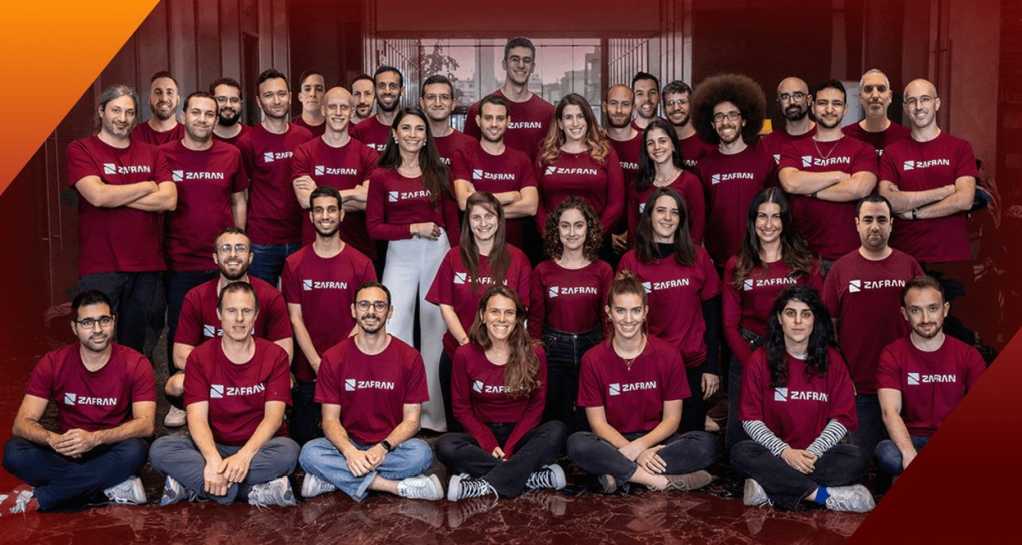
Zafran Team