
Ohio hospital plans to replace healthcare workers with AI, sparking outrage and patient safety concerns
 Daniel Levi
Posted On November 27, 2026
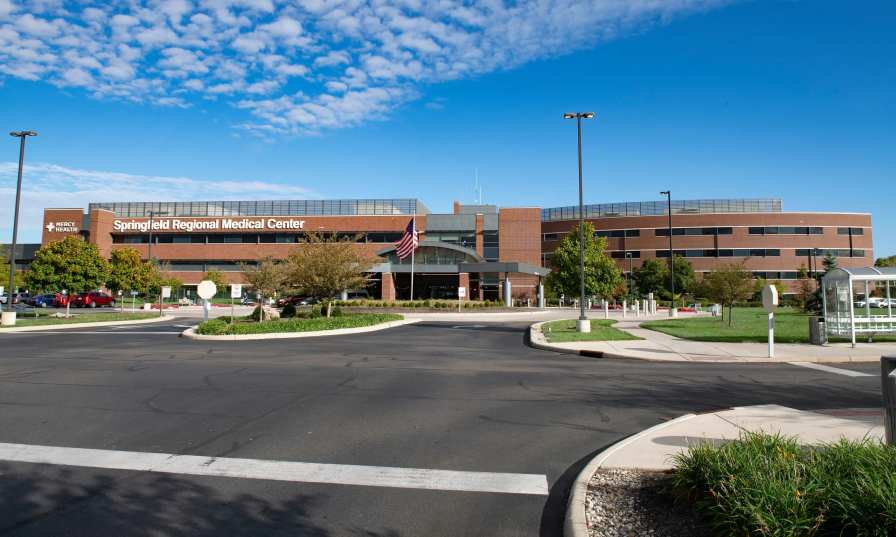
An Ohio hospital is moving to replace healthcare workers who monitor patients’ heart rhythms with automated technology reportedly powered by artificial intelligence, sparking community backlash and raising patient safety concerns.
Mercy Health-Springfield Regional Medical Center is phasing out telemetry monitor technicians as part of a broader effort to modernize its patient monitoring systems. The decision, first reported by the Springfield News-Sun on November 12, has drawn renewed attention as AI moves beyond administrative tasks and into areas of healthcare where human judgment can mean the difference between life and death.
Telemetry technicians are trained healthcare professionals who continuously monitor patients’ cardiac activity, interpret heart rhythms, identify abnormalities, and alert nurses when medical intervention may be needed. Their responsibilities provide an extra layer of clinical oversight for bedside caregivers who often manage multiple patients.
Mercy Health argues that its technology investments will improve, not compromise, patient care.
A hospital spokesperson told the Springfield News-Sun that Mercy Health is “upgrading patient monitoring technology across our hospitals to bring critical information closer to the bedside and support more direct, responsive patient care.”
“This investment will deliver real-time patient data directly to caregivers, enabling faster clinical decision-making and improving visibility into patient conditions. Enhanced features, including advanced alerting and integrated data access, are designed to strengthen communication, accelerate response times and support safer, more coordinated care,” the spokesperson said.
The hospital said the transition would take place gradually to maintain continuity of care. Affected employees will have opportunities to move into vacant positions for which they qualify, though Mercy Health has offered no guarantee that every displaced worker will find another role.
A subsequent report by Futurism described the move as an AI-driven replacement of dozens of healthcare workers. Mercy Health has not publicly disclosed the exact number of affected employees, the technical details of its new monitoring system, or the timeline for eliminating the positions.
The hospital spokesperson declined to answer follow-up questions from the Springfield News-Sun.
Community backlash grows over AI and patient safety
The decision has drawn criticism from community members who fear that eliminating dedicated cardiac monitoring staff could leave already stretched nurses with additional responsibilities.
One commenter responding to local television station WDTN’s Facebook post described the decision as a “shameful path of the future.”
“It’s going to put more work on the nurses as I spoke to several of them today when my mom was in the hospital having surgery,” the community member continued. “I hope every nurse walks out of there.”
Healthcare union SEIU District 1199 is now involved. Speaking to WDTN, a union representative said the organization was meeting with hospital administrators to “determine next steps” for employees affected by the transition.
Beyond job losses, the decision raises several clinical questions. Automated monitoring systems can generate false alarms, contributing to alarm fatigue. Healthcare workers exposed to repeated alerts may become desensitized, potentially making it harder to distinguish routine notifications from genuine emergencies.
Another concern is automation bias, a documented tendency among humans to place excessive trust in automated systems and sometimes overlook errors or contradictory information.
Cybersecurity presents another potential vulnerability. The American Hospital Association has warned that operational technology within hospitals can become a target for cyberattacks. Greater reliance on interconnected monitoring systems makes safeguards, backup procedures, and operational resilience important parts of patient care.
None of these risks establishes that Mercy Health’s new system is unsafe. The hospital’s limited public disclosures make it hard to independently assess how it will manage those risks.
AI job displacement reaches the hospital bedside
Much of the debate surrounding AI-related job losses has centered on software engineering, customer service, financial services, and administrative work. Mercy Health’s decision brings that discussion into a clinical setting.
There is a meaningful difference between using AI to help healthcare workers perform their jobs and using technology to eliminate positions responsible for monitoring patients.
Automated systems could help clinicians detect abnormalities sooner, reduce communication delays, and improve access to patient information. The question is whether those benefits require removing dedicated human monitoring or whether a combination of technology and trained professionals would produce better outcomes.
Mercy Health maintains that its investment will improve care. Patients, nurses, and displaced employees are still waiting for answers on how the new system works, who will be responsible for monitoring alerts, and what happens if the technology fails.
As hospitals adopt AI and automation, success cannot rest solely on how many tasks machines can perform or how many positions healthcare providers can eliminate.
It must rest on whether patients receive safer, better care.