Australian medtech startup WearOptimo raises A$7.75M to develop AI-powered wearable sensors that go beneath the skin
 Nickie Louise
Posted On November 24, 2026
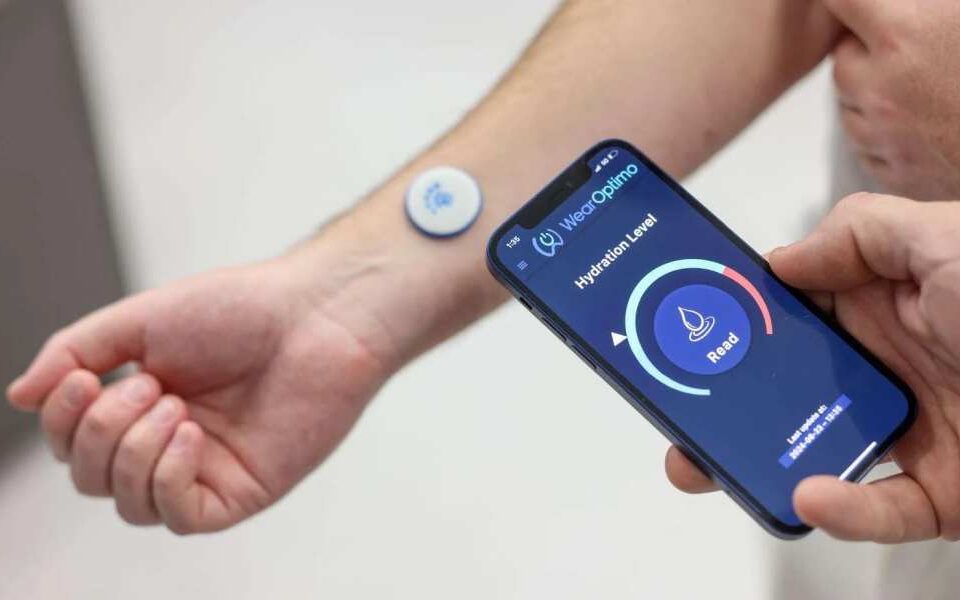
Most wearable health devices collect data from the skin’s surface. Australian medtech startup WearOptimo wants to go a little deeper, using microscopic electrodes to capture physiological signals that conventional wearables struggle to detect.
WearOptimo announced Tuesday that it has raised A$7.75 million in fresh funding to advance its AI-powered wearable sensor technology and prepare for a planned Series A round.
The financing includes investments managed by Australian healthcare venture capital firm Synthesis Capital through its Fund I and a dedicated investment vehicle managed on behalf of HESTA, one of Australia’s largest superannuation funds. New investors and existing shareholders participated in the round.
The startup is betting that some of the most valuable information about human health lies just beneath the skin. Its proprietary Microwearable sensors use tiny, minimally invasive electrodes that penetrate the skin by roughly the width of a human hair to collect physiological signals.
WearOptimo combines these measurements with AI to generate personalized, real-time insights into a person’s physiological condition. Its first target is hydration and heat stress, two health risks that can be difficult to identify before physical symptoms appear.
“This successful capital raise marks an important milestone for WearOptimo as we continue advancing our technology and building toward commercialization,” said Professor Mark Kendall, Founder and CEO of WearOptimo. “Having the support of a leading healthcare-focused venture capital firm, with the financial backing of one of Australia’s leading superannuation funds, is a strong vote of confidence in our technology and its commercial potential. This funding positions us to deliver key product and commercial milestones through 2027 and prepare for a Series A to support product sales and commercial partnerships.”
Going beyond the limits of conventional health wearables
Smartwatches and fitness trackers have made heart rate, blood oxygen levels, physical activity, and sleep patterns accessible to millions. Measuring hydration and assessing individual heat stress in real time present a different technical challenge.
For an athlete competing in extreme heat, a soldier operating in harsh conditions, or a worker spending hours at a mining site, knowing when the body is approaching dangerous levels of heat stress could help prevent serious health complications.
WearOptimo aims to address this problem by collecting physiological data continuously and using AI to interpret changes in the body’s condition. Rather than relying exclusively on external measurements, its sensors seek to access signals that are difficult to capture from the skin’s surface.
The company’s initial commercial focus includes elite sports, defense, mining, and industrial safety. Its longer-term ambitions extend into broader healthcare applications.
For investors, the appeal lies in using the same underlying sensor technology across multiple markets rather than building a business around a single health metric.
“What particularly excites us is the platform opportunity: hydration and heat stress are compelling initial applications, but the underlying technology has the potential to address a much broader range of unmet healthcare needs,” said Dr Vishaal Kishore, Managing Partner at Synthesis Capital.
The investment brings institutional financial backing to the startup. HESTA serves more than one million members and manages approximately A$109 billion in assets globally, with much of its membership drawn from Australia’s health and community services sector.
WearOptimo’s immediate challenge is turning its research and sensor technology into a commercially viable product. The funding announcement did not disclose clinical performance data, product pricing, or a firm commercial launch date. Independent validation of measurement accuracy, safety, and reliability will be important to wider adoption.
The fresh capital gives WearOptimo room to reach its product and commercial development milestones through 2027 before pursuing a Series A.
The bigger question is whether the next generation of health wearables can move beyond recording what the body has already experienced to identifying risks before people feel them. That’s the opportunity WearOptimo is pursuing.
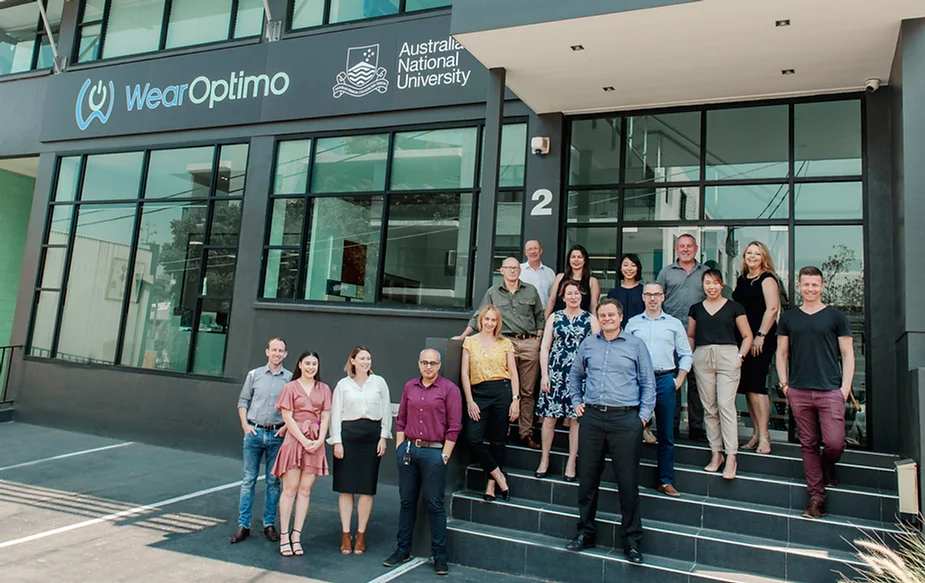
WearOptimo Team (Image credit: WearOptimo)