Nvidia board faces internal revolt as some directors push for Jensen Huang’s return: Report
 Daniel Levi
Posted On November 18, 2026
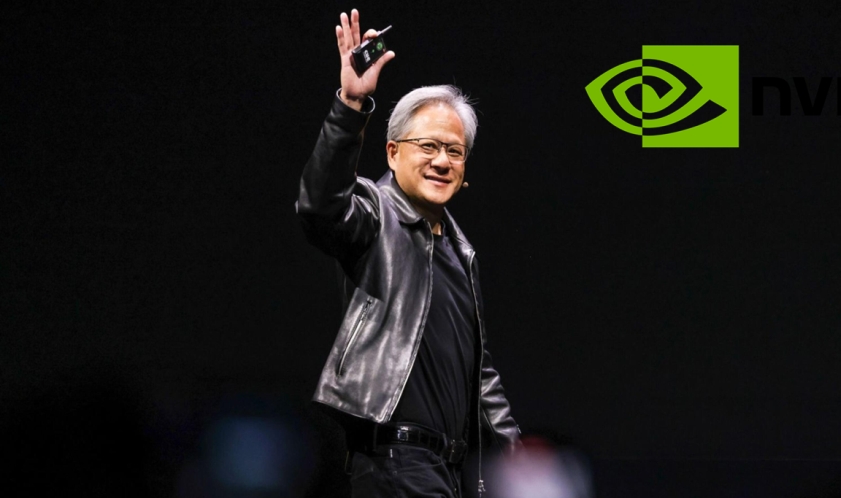
Nvidia’s leadership crisis is turning into a boardroom battle. Just days after Jensen Huang resigned as CEO of the AI chip giant he co-founded more than three decades ago, a faction of Nvidia directors is reportedly pushing to bring him back, putting them at odds with the company’s public position that his departure is final.
According to an exclusive report published Tuesday by Semafor, citing people familiar with the matter, several board members continue to support Huang’s reinstatement. The push comes as Nvidia searches for a permanent replacement and tries to convince investors, employees, and customers that it can move forward without the man who helped build it into one of the world’s most valuable companies.
“Despite Nvidia’s proclamation Tuesday that it didn’t plan to bring ousted CEO Jensen Huang back to the chipmaker, a faction of board members is pushing for his return,” Semafor reported, citing people familiar with the matter.
The reported disagreement exposes a growing problem for Nvidia: The board wants to move on, but Huang’s supporters are refusing to let the issue die.
Nvidia’s boardroom battle puts leadership succession in question
Huang has reportedly met with several technology executives and discussed the possibility of returning with at least one Nvidia director. Semafor said the conversation with the board member occurred before Nvidia’s November 17 earnings report and before Huang publicly expressed his willingness to return.
The discussions have not been independently confirmed, and Nvidia has offered no indication that its official position has changed.
During Tuesday’s earnings call, newly appointed board chairman Harvey Jones made that position clear.
“The Nvidia board unanimously accepted his resignation and does not intend to reinstate Jensen as CEO,” Jones told investors.
Interim CEO Colette Kress delivered a similar message during an interview with CNBC’s Jim Cramer.
“The board has determined that they will not reinstate Jensen,” Kress said.
Those statements leave little room for a comeback, at least publicly. Behind closed doors, Semafor’s reporting suggests the issue remains unsettled among some directors.
The company is already considering potential successors. According to Semafor, Arm CEO Rene Haas and Marvell CEO Matt Murphy are among the executives discussed for Nvidia’s top job. Haas has reportedly spoken with Nvidia directors about the position, though concerns about replacing Huang amid calls for his return could complicate the process.
Neither executive has been publicly announced as a candidate.
Employees and investors add pressure as Nvidia enters a new era
The boardroom disagreement is unfolding amid a broader campaign to restore Huang to the company he helped establish in 1993.
Huang resigned last week following revelations about his personal relationships, including a reported relationship with a woman under scrutiny over alleged ties to Chinese intelligence. Nvidia accepted his resignation on November 11 and appointed longtime CFO Colette Kress as interim CEO.
“This is a new era for Nvidia,” Kress told employees during an internal meeting on Monday, according to CNBC, citing an attendee who spoke on condition of anonymity. When Huang’s name came up, Kress reportedly changed the subject, steering the conversation away from her predecessor.
Huang later said he was open to returning if the board reconsidered.
His departure has prompted public support from employees, investors, and prominent technology executives, including Elon Musk, Y Combinator CEO Garry Tan, and Epic Games CEO Tim Sweeney.
An online petition supporting Huang has attracted nearly 200,000 signatures, according to CNBC, including thousands from people identifying themselves as Nvidia employees. Those identities have not all been independently verified.
The unrest creates a difficult situation for Kress, who faces her first companywide meeting as interim CEO on Wednesday.
Nvidia’s latest earnings offered some reassurance that demand for its AI chips remains strong. Yet financial performance alone may not resolve the leadership dispute.
Huang spent 33 years shaping Nvidia’s engineering culture, product strategy, and relationships across the technology industry. His unusually hands-on leadership made him central to the company’s identity.
For investors, the question now extends beyond whether Nvidia can deliver another strong quarter. It is whether the company can preserve its momentum amid uncertainty over who should lead it.
The reported split among directors raises another question: Can Nvidia’s board maintain a united front if some of its own members still believe the company’s future belongs to its former CEO?
For now, Nvidia insists Huang is not returning. But Semafor’s reporting suggests the fight over his successor may be far from finished.