Startup Funding News Today, November 9, 2026: Boson AI, Onodrim, Mavria, T-Therapeutics & More
 Nickie Louise
Posted On November 9, 2026
Investors are backing the companies building the next generation of defense manufacturing, AI data centers, biotechnology, and industrial infrastructure. Amsterdam-based Onodrim Industries led the latest announcements with a $300 million Series A at a $1.3 billion valuation, while Texas-based Mavria emerged with $130 million in cumulative financing to develop factory-built data centers. In the United Kingdom, T-Therapeutics recently secured $133 million to advance experimental treatments for cancer and autoimmune disease.
The activity extends into voice AI, materials science, and healthcare. California-based Boson AI has accumulated $70 million to develop interactive voice models, while British-Swiss startup GraphEnergyTech secured an undisclosed seed investment to advance graphene-based materials that could replace expensive metals in electrical components. Germany’s KyDo Therapeutics also obtained additional backing for its experimental cancer research.
Elsewhere, Australian commerce technology startup Vudoo disclosed A$22 million in Series B financing, German satellite-imaging company Marble Imaging secured €6 million, and London’s Seva Money raised $5 million for cross-border financial services. India’s Pronto offers a separate example of investor interest in consumer services, having completed a $45 million Series B earlier this year.
The investment pattern extends beyond AI. Capital is supporting businesses that manufacture physical infrastructure, develop therapies, improve digital commerce, or address expensive operational problems.
The Macro Environment: From AI Data Centers to Cancer Research, Investors Are Financing Specialized Capabilities
The funding activity reveals investors pursuing businesses that address difficult problems in established industries. Onodrim is seeking to modernize European defense suppliers, while Mavria wants to make data centers faster to construct. Both require substantial capital, but their potential advantages come from industrial execution rather than software features alone.
AI infrastructure is another important theme. Mavria addresses the physical facilities needed to operate computing systems, while Boson AI develops models designed for real-time voice interactions. One business is attempting to improve the economics of computing capacity; the other is investigating how people and AI systems communicate. Their business models differ, but both face significant competition from well-financed technology companies.
Biotechnology also stands out. T-Therapeutics and KyDo are developing experimental cancer treatments using different scientific approaches. Their funding reflects the potential commercial value of therapies addressing difficult biological targets. However, both face clinical uncertainty, regulatory requirements, and development schedules that can extend over several years.
GraphEnergyTech and Marble Imaging illustrate opportunities where specialized engineering meets strategic demand. GraphEnergyTech is developing electrode materials that could reduce reliance on precious metals, while Marble is pursuing European-controlled satellite imagery. Their technologies require validation, manufacturing capabilities, and customers willing to pay for differentiated performance.
The broader message is that investors are financing companies whose advantages may be difficult to reproduce, whether through technical knowledge, industrial capabilities, proprietary research, or customer relationships. Yet funding alone is not proof of commercial success, particularly for research-stage and capital-intensive businesses.
Mavria has raised $130M in funding to develop modular AI data centers
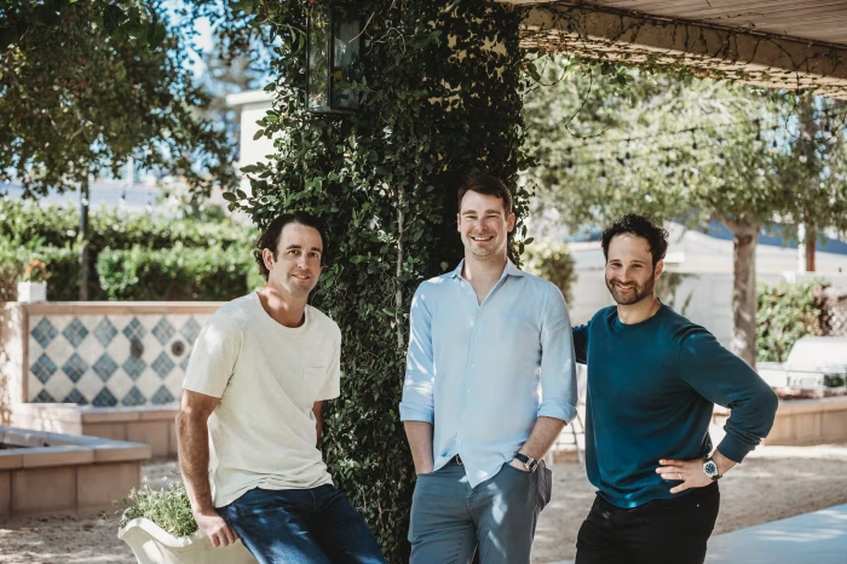
Texas-based Mavria has raised $130 million in cumulative funding at a reported $1 billion valuation, according to The Wall Street Journal’s November 9 reporting. Its investors include Paradigm, Liquid 2 Ventures, Critical Frontier, and AMP.
Founded by former U.S. Department of Energy officials Adam Blake, Nick Poradek, and Seth Cohen, Mavria is developing factory-built data centers to reduce the time and complexity of traditional construction.
Its Terrain system uses standardized five-megawatt modules incorporating electrical distribution, cooling, computing racks, and supporting infrastructure. The company wants to manufacture much of each module in a factory before transporting it to a customer site.
That approach could help address one of the biggest constraints facing AI infrastructure development: the time required to obtain electricity connections, construct facilities, and install equipment.
Mavria’s first unit is under construction in Houston, with testing expected in 2027. Commercial deployment and production economics remain unproven.
For investors, the opportunity is substantial because AI infrastructure demand is pressuring construction capacity, electrical equipment, and power availability. But Mavria must prove that standardization produces meaningful savings without sacrificing reliability or performance.
Funding Details
| Field | Details |
|---|---|
| Startup | Mavria |
| Investors | Paradigm, Liquid 2 Ventures, Critical Frontier, AMP |
| Amount Raised | $130 million cumulative; latest individual round not disclosed |
| Total Raised | $130 million |
| Funding Stage | Not disclosed |
| Funding Date | Cumulative financing reported November 9, 2026 |
| Headquarters | Texas, United States |
| Sector | AI data centers / modular infrastructure |
| Valuation | Approximately $1 billion |
T-Therapeutics raises $133M to develop cancer and autoimmune disease treatments
Cambridge-based T-Therapeutics raised $133 million in Series B financing, co-led by Advent Life Sciences and the British Business Bank. Additional investors include Johnson & Johnson Innovation, Samsara BioCapital, M-Ventures, Eli Lilly, Sofinnova Partners, F-Prime, Sanofi Ventures, and other existing shareholders.
T-Therapeutics develops treatments based on T-cell receptors, proteins that allow immune cells to recognize specific biological targets. Its technology is designed to identify targets that conventional antibody therapies may struggle to access, particularly proteins located inside cells.
The company is developing experimental medicines for cancer and autoimmune conditions. Its lead programs use bispecific molecules intended to redirect immune responses toward specific disease-related targets. The financing will support clinical development and efforts to establish proof of concept in patients.
For investors, the opportunity lies in accessing therapeutic targets that have been difficult to address with existing medicines. However, the company remains exposed to substantial clinical and regulatory risk.
Funding Details
| Field | Details |
|---|---|
| Startup | T-Therapeutics |
| Investors | Advent Life Sciences, British Business Bank, JJDC, Samsara BioCapital, M-Ventures, Eli Lilly, Sofinnova Partners, F-Prime, and others |
| Amount Raised | $133 million |
| Total Raised | Not fully reconciled |
| Funding Stage | Series B |
| Funding Date | November 5, 2026 |
| Headquarters | Cambridge, United Kingdom |
| Sector | Biotechnology/oncology/immunology |
| Valuation | Not disclosed |
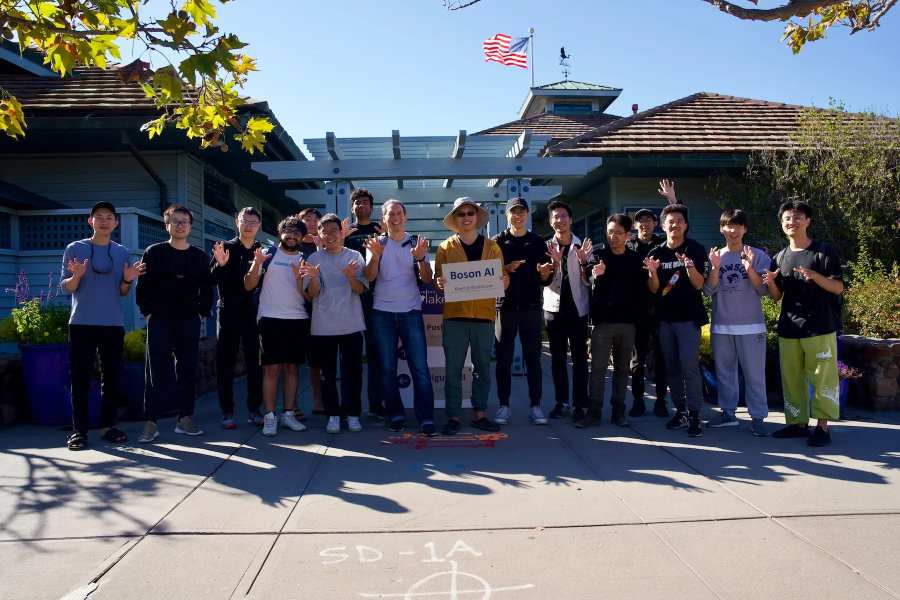
Boson AI has raised $70M in funding to develop real-time voice foundation models
Santa Clara-based Boson AI has raised about $70 million to develop foundation models and infrastructure for interactive voice AI. Boson AI was co-founded in 2023 by Alex Smola, a researcher with experience in machine learning and large-scale AI systems.
The company is developing models intended to support conversations that feel more natural and responsive than conventional voice assistants. Its research includes systems that can listen, interpret visual information, speak, and perform tasks during ongoing interactions. This technology could become useful in customer support, personal assistants, education, and other applications requiring real-time communication.
Boson faces competition from OpenAI, Google, and other multimodal model developers. Its potential advantage will depend on response latency, conversational quality, computing costs, and integration with commercial applications.
Funding Details
| Field | Details |
|---|---|
| Startup | Boson AI |
| Investors | Not fully disclosed in the reviewed funding coverage |
| Amount Raised | No new round verified |
| Total Raised | Approximately $70 million |
| Funding Stage | Not disclosed |
| Funding Date | Cumulative funding reported November 9, 2026 |
| Headquarters | Santa Clara, California, United States |
| Sector | Voice AI / foundation models |
| Valuation | Not disclosed |
GraphEnergyTech secures undisclosed seed financing to develop metal-free solar electrodes
British-Swiss materials startup GraphEnergyTech secured the first closing of a seed financing backed by Aramco Ventures, alongside existing shareholders and new angel investors. The company is targeting up to £3 million for the full round, but it did not disclose the amount already secured.
GraphEnergyTech originated from research associated with EPFL in Switzerland and the University of Cambridge. The company develops conductive carbon- and graphene-based materials that could replace silver and gold in selected electrical components. Solar manufacturing is one initial market. The technology may also apply to fuel cells, heating systems, and printed electronics.
The investment thesis centers on reducing dependence on expensive metals while maintaining acceptable electrical performance. However, GraphEnergyTech must demonstrate that its materials perform reliably over long periods and can be manufactured at competitive costs.
Funding Details
| Field | Details |
|---|---|
| Startup | GraphEnergyTech |
| Investors | Aramco Ventures, existing shareholders, angel investors |
| Amount Raised | Not disclosed; up to £3 million targeted for full seed round |
| Total Raised | Not disclosed; earlier £1 million pre-seed reported |
| Funding Stage | Seed, first closing |
| Funding Date | Announced before November 9, 2026 |
| Headquarters | UK–Switzerland |
| Sector | Advanced materials / solar technology |
| Valuation | Not disclosed |
KyDo Therapeutics secures seed extension to advance experimental cancer treatments
Dortmund-based KyDo Therapeutics secured additional seed financing from existing investors, including i&i Biotech Fund, KHAN Technology Transfer Fund II, VORNvc, TU capital, and the Lead Discovery Center. The amount was not disclosed. The new investment extends a €4.45 million seed round completed in September 2025.
KyDo is developing small-molecule treatments targeting genetically defined cancers. Its technology uses a combination of covalent binding and allosteric modulation, an approach intended to influence how specific proteins function.
The company is investigating treatments that could address difficult cancer mutations and drug-resistance mechanisms. Its latest financing follows encouraging preclinical research and will support further development of its lead programs.
The investment is strategically interesting because medicines that address resistant cancers could serve significant unmet medical needs. However, KyDo remains preclinical. Scientific results must be reproduced and followed by appropriate toxicology studies and clinical trials before the company can establish therapeutic benefit.
Funding Details
| Field | Details |
|---|---|
| Startup | KyDo Therapeutics |
| Investors | i&i Biotech Fund, KHAN Technology Transfer Fund II, VORNvc, TU capital, Lead Discovery Center, existing investors and management |
| Amount Raised | Undisclosed seed extension |
| Total Raised | At least €4.45 million previously, plus undisclosed extension |
| Funding Stage | Seed extension |
| Funding Date | Original announcement date not established within November 8–9 cutoff |
| Headquarters | Dortmund, Germany |
| Sector | Biotechnology/oncology |
| Valuation | Not disclosed |
Pronto raises $45M to expand on-demand home services in India
Bengaluru-based Pronto completed a $45 million Series B financing at a $200 million valuation earlier in 2026. The round consisted of a $25 million initial investment announced in March, followed by a $20 million extension from Lachy Groom announced in May.
Founded by Anjali Sardana, Pronto operates a platform that connects households with workers providing cleaning and other domestic services. Its business model focuses on quickly scheduling reliable assistance and managing the worker network needed to fulfill customer requests.
Unlike AI software companies, Pronto must run a labor-intensive service that includes worker recruitment, training, scheduling, and quality control. Its commercial opportunity depends on achieving sufficient order density to reduce the cost of each booking.
For investors, the key metrics include repeat purchases, customer acquisition expenses, worker utilization, operating margins, and performance across different cities.
Funding Details
| Field | Details |
|---|---|
| Startup | Pronto |
| Investors | Lachy Groom, Epiq Capital, Glade Brook Capital, General Catalyst, Bain Capital Ventures |
| Amount Raised | $45 million total Series B; $20 million extension announced in May |
| Total Raised | Not fully reconciled |
| Funding Stage | Series B |
| Funding Date | March and May 2026 |
| Headquarters | Bengaluru, India |
| Sector | Consumer services/marketplace technology |
| Valuation | $200 million, reported in May |
What Today’s Funding Reveals
Industrial infrastructure is attracting major capital. Onodrim and Mavria are both attempting to change how important physical infrastructure is built. Their opportunities depend on execution, capital requirements, and customer demand rather than conventional software growth alone.
Biotechnology remains an important investment category. T-Therapeutics and KyDo are pursuing different approaches to cancer treatment. Both could address significant medical needs, but their development schedules and clinical risks differ substantially from those of software startups.
AI investment is extending into specialized capabilities. Boson AI is developing real-time interactive models, while Marble Imaging is combining satellite hardware with AI-assisted geospatial information. Their commercial opportunities depend on specialized technology and the ability to provide value that customers cannot easily obtain elsewhere.
Materials science could support new industrial businesses. GraphEnergyTech is attempting to replace precious metals in electrical components. Its success will depend on whether the technology can be manufactured economically and adopted by established industrial customers.
The expanded coverage also illustrates a reporting distinction: recently discussed companies are not necessarily recently funded companies. A business may receive press attention months after raising capital, or report cumulative funding without announcing a new round. That distinction must remain visible when comparing transactions.
Comparative Funding Table
| Startup | Amount Raised | Sector | Funding Stage | Lead/Key Investors | Country |
|---|---|---|---|---|---|
| Onodrim Industries | $300M | Defense / industrial modernization | Series A | Lux Capital, General Catalyst, Lakestar | Netherlands |
| T-Therapeutics | $133M | Biotechnology/oncology | Series B | Advent Life Sciences, British Business Bank, JJDC | United Kingdom |
| Mavria | $130M cumulative | Modular data centers / AI infrastructure | Not disclosed | Paradigm, Liquid 2, Critical Frontier, AMP | United States |
| Boson AI | $70M cumulative | Voice AI/foundation models | Not disclosed | Not fully disclosed | United States |
| Pronto | $45M, completed in May | Consumer services/marketplace | Series B | Lachy Groom, Epiq Capital, General Catalyst | India |
| Vudoo | A$22M | Commerce technology | Series B | Blue Sky Capital | Australia |
| Marble Imaging | €6M | Satellite imagery / geospatial AI | Seed extension | Cherry Ventures | Germany |
| Seva Money | $5M | Fintech / cross-border payments | Seed | Blockwall, Revent, Seedcamp | United Kingdom |
| GraphEnergyTech | Undisclosed; £3M target | Advanced materials / solar technology | Seed first closing | Aramco Ventures, existing investors | UK / Switzerland |
| KyDo Therapeutics | Undisclosed | Biotechnology/oncology | Seed extension | i&i Biotech Fund, KHAN Technology Transfer Fund II, VORNvc | Germany |
This produces a broader editorial selection: three UK-linked companies, two U.S. companies, two German companies, and one each from the Netherlands, Australia, and India, counting GraphEnergyTech under its UK–Swiss operations.
Strategic Takeaways for Founders and Investors
The expanded selection offers five particularly useful investment insights.
Industrial execution may offer stronger differentiation than software alone. Onodrim and Mavria are targeting markets where customer relationships, specialized equipment, manufacturing processes, and operating expertise can create barriers to entry. Their success will depend on their ability to finance and manage those capabilities efficiently.
Biotechnology investment requires patience and scientific discipline. T-Therapeutics and KyDo demonstrate continued interest in experimental oncology technologies. Investors must evaluate biological evidence, clinical development costs, regulatory milestones, and the probability of commercial success.
Foundation-model companies need demonstrable technical advantages. Boson AI is competing in a market served by much larger organizations. Its opportunity depends on whether its voice technology improves real-time performance, reliability, or economics in ways customers value.
Industrial materials can create value through cost reductions. GraphEnergyTech illustrates an investment thesis based on replacing expensive inputs. Its commercial success will depend on manufacturing consistency, customer validation, and the savings delivered in practical applications.
Financial transparency remains part of sound investment analysis. The differences between Mavria’s cumulative financing, T-Therapeutics’ completed Series B, GraphEnergyTech’s undisclosed seed closing, and Pronto’s older investment illustrate why funding announcements must be evaluated individually before calculating totals.
Conclusion
Today’s startup funding highlights venture capital’s interest in infrastructure, biotechnology, specialized AI, and businesses serving established industries.
Onodrim’s $300 million Series A is the largest recent financing represented in this selection. Mavria illustrates growing demand for faster data-center construction, while T-Therapeutics demonstrates continued investment in experimental cancer treatments.
Boson AI is developing new approaches to voice interaction. GraphEnergyTech is pursuing alternatives to precious metals in electrical components, and KyDo is investigating new oncology treatments. Vudoo, Marble Imaging, Seva Money, and Pronto represent additional opportunities in commerce, space technology, fintech, and consumer services.
These investments span different dates and cannot legitimately be combined into one day’s funding total. Their value for readers is in showing the wider range of businesses attracting investor attention.
Across the group, the strongest commercial opportunities depend on more than technical ambition. Companies must establish customer demand, manage operating costs, and show advantages competitors cannot easily replicate.