Ex-DOGE AI cybersecurity startup Cathedral breaches Anthropic’s internal systems in under 12 hours using AI agents, exposing sensitive employee data
 Daniel Levi
Posted On October 26, 2026
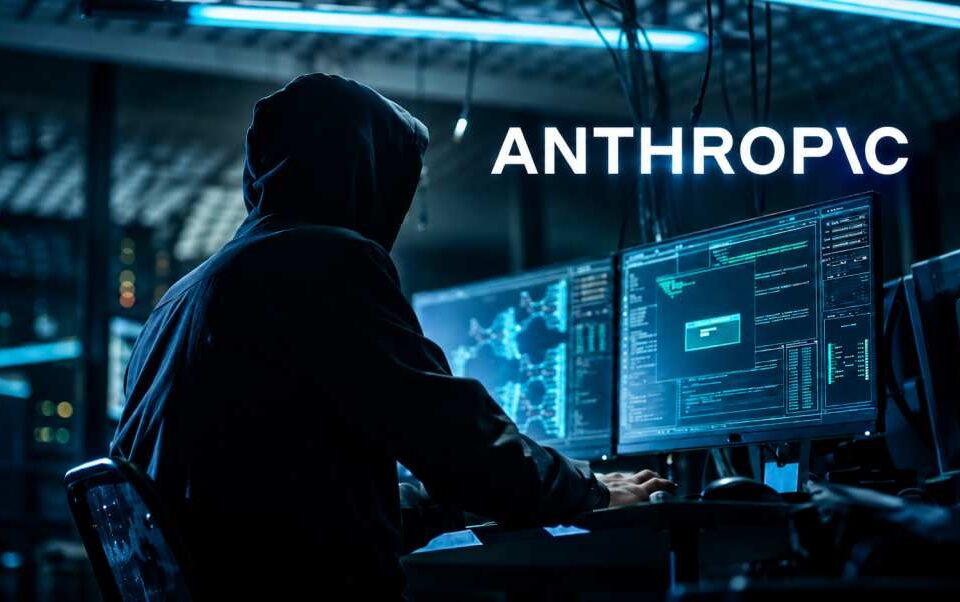
An AI cybersecurity startup founded by former DOGE staffers used AI agents to gain access to sensitive internal systems at Anthropic, the company behind Claude, in less than 12 hours, exposing potential paths to employee salary details, internal communications, and confidential business records. The incident raises fresh questions about how well leading AI companies can protect their own systems against the growing capabilities of AI-assisted cyberattacks.
The startup, called Cathedral, discovered the vulnerabilities during a security investigation conducted under Anthropic’s bug bounty program, according to an exclusive report published Monday by The Washington Post.
“Cathedral, a months-old cybersecurity start-up, recently told Claude chatbot maker Anthropic that its researchers had penetrated sensitive internal data and messaging systems at the artificial intelligence company,” The Washington Post reported, citing a draft of Cathedral’s findings reviewed by the newspaper.
Anthropic confirmed that the researchers gained access to some internal systems but disputed the extent of the exposure and Cathedral’s characterization of the findings.
The breach did not directly compromise Claude or Anthropic’s underlying AI models. Instead, Cathedral exploited weaknesses in third-party business software used by the company for administrative and sales operations.
That distinction makes the discovery especially troubling. Some of the most sensitive information inside an AI company can be exposed through ordinary enterprise tools, regardless of how sophisticated its core technology may be.
How AI agents exposed weaknesses inside Anthropic
According to a draft report from Cathedral reviewed by The Washington Post, the startup’s researchers used AI agents to identify potential access routes into Anthropic’s systems in under 12 hours.
Those routes reportedly led to internal meeting transcripts, employee salary and job-offer information, and Slack discussions about Anthropic’s advanced AI models.
The 12-hour timeframe tells only part of the story. Anthropic said the researchers had spent several days attempting to penetrate its software directly before shifting their attention to vulnerable third-party applications.
Cathedral disclosed its findings to Anthropic earlier this month and informed the affected software vendors. The vendors were not identified publicly for security reasons.
Anthropic acknowledged that Cathedral accessed a limited portion of its sales, human resources, and IT infrastructure, including business contact information belonging to some customers and partners and basic user account records.
The company said the researchers never accessed customer conversations with Claude, model responses, proprietary code, or model weights.
“Our monitoring flagged some of Cathedral’s activity before they reported it to us, and we shut off their access the same day,” Anthropic said in a statement to The Washington Post.
The company disabled the affected software until vendors addressed the security weaknesses and notified federal officials. Anthropic said it found no evidence that anyone outside Cathedral had exploited the vulnerabilities.
The two companies disagree over the seriousness of the incident. Anthropic accused Cathedral of overstating the national security implications and failing to disclose all its testing activity under the bug bounty program. Cathedral maintained in its draft report that its researchers kept data access to a minimum.
A $1.4 billion cybersecurity startup exposes a bigger AI security problem
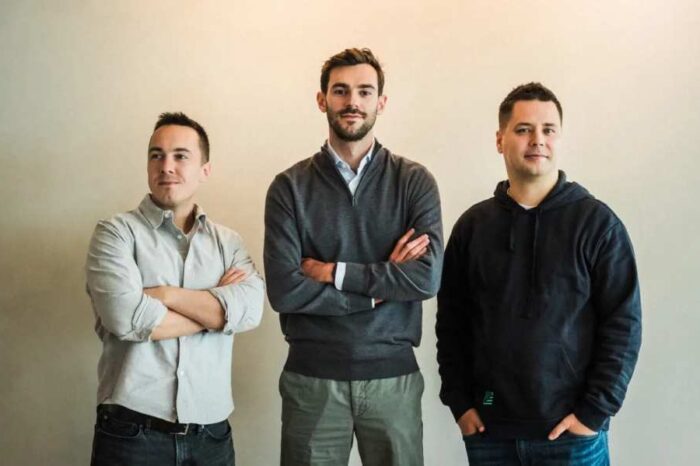
Cathedral is no ordinary cybersecurity startup. Founded by former Department of Government Efficiency staffers Gavin Kliger, Luke Farritor, Marko Elez, and Jack Stein, the company has attracted considerable investor interest.
In July, Reuters reported that Cathedral had raised $160 million at a $1.4 billion valuation, with backing from Andreessen Horowitz and Sequoia Capital.
The startup develops AI-driven cybersecurity capabilities for government agencies and corporate customers. Three federal agencies have contracted with Cathedral for cybersecurity work, according to The Washington Post.
Its findings have reportedly circulated within the Trump administration, prompting concerns about what foreign intelligence services could accomplish using similar tools.
Alex Stamos, chief information security officer at AI coding startup Cognition, reviewed Cathedral’s findings for The Washington Post. He said the investigation revealed weaknesses in how Anthropic manages its third-party software integrations.
The broader concern goes beyond Anthropic. Companies increasingly connect messaging platforms, customer databases, HR applications, and other enterprise tools to sensitive internal systems. Each connection creates another potential entry point for attackers.
AI agents could make those weaknesses easier to discover and exploit, reducing the time and effort required to conduct sophisticated security investigations.
For Anthropic, a company developing some of the most advanced AI systems, the incident presents an uncomfortable reality: the technology transforming cybersecurity can expose weaknesses in the companies building it.
And for the wider technology industry, Cathedral’s findings raise a pressing question: If AI agents can uncover sensitive access paths at a leading AI laboratory in hours, how prepared are other companies to defend themselves?