Character.AI files for bankruptcy two years after Google’s $2.7 billion deal, now selling assets to Disney for $20 million
 Daniel Levi
Posted On October 13, 2026
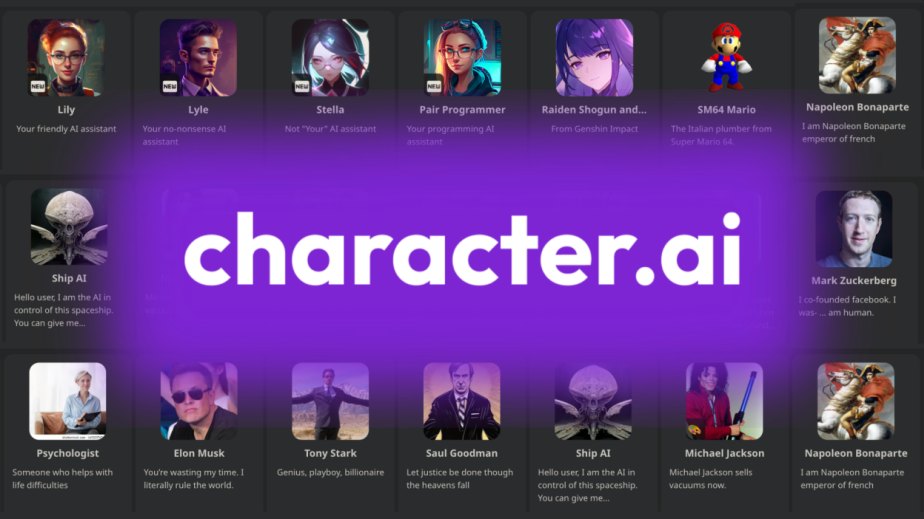
Character.AI, once one of Silicon Valley’s most promising generative AI startups, has filed for Chapter 11 bankruptcy protection in the United States and reached an agreement that would give Disney access to some of its technology for $20 million. The filing marks a stunning reversal for the chatbot company, which rose to prominence during the early AI boom but struggled with mounting operating costs, leadership departures, and growing legal troubles.
The bankruptcy filing, announced Monday, October 12, puts the future of Character.AI’s popular chatbot platform in question. The company plans to keep the service running during the court-supervised sale, but has warned that it could shut down if no buyer agrees to continue operating it.
“Character.AI said on Monday it had filed for Chapter 11 bankruptcy in the US and agreed to sell some of its assets to Walt Disney for $20 million,” Reuters reported.
Disney has emerged as the lead bidder under a proposed agreement that would grant a non-exclusive, perpetual license to certain Character.AI intellectual property and other assets. The $20 million offer would establish a starting price for the bankruptcy auction, giving competing bidders an opportunity to submit higher offers.
The deal remains subject to court approval. Character.AI expects the sale process to conclude by late November or early December 2026.
“After a comprehensive review of the available alternatives, the board determined that this court-supervised sale process provides the company with the best opportunity to maximize value for all stakeholders,” said Colin Adams, CEO of Character.AI.
According to the bankruptcy filing, Character Technologies, the company behind Character.AI, reported estimated assets and liabilities between $50 million and $100 million.
The Disney connection adds an unexpected twist. Disney recently hired former Character.AI CEO Karandeep Anand as its chief technology officer, along with several other employees. The media giant had previously raised concerns about unauthorized uses of its intellectual property on Character.AI’s platform.
From a multibillion-dollar AI startup to bankruptcy
Character.AI’s financial troubles did not begin in 2026.
Founded by former Google researchers Noam Shazeer and Daniel De Freitas, Character.AI built a popular platform that lets people create and interact with AI-powered personalities, ranging from fictional characters to historical figures and custom virtual companions.
Its conversational AI technology attracted enormous attention during the first wave of generative AI excitement. At its peak, Character.AI was valued at roughly $2.5 billion, making it one of the industry’s most closely watched startups.
But the economics of operating an AI chatbot service proved difficult.
In 2024, Character.AI laid off approximately 5% of its workforce as it struggled to contain costs and sharpen its focus. The bigger turning point came in August of the same year, when Google paid $2.7 billion for a non-exclusive license to the startup’s technology. The deal brought Character.AI co-founders Noam Shazeer and Daniel De Freitas back to Google, along with several key researchers who joined Google DeepMind. The agreement gave Character.AI a major financial lifeline but stripped the startup of much of the talent behind its technology.
By August 2025, the warning signs had become harder to ignore.
As TechStartups reported at the time, Character.AI was exploring a potential sale or fresh funding as the expense of running its AI models continued to weigh on the business. The company had reportedly held discussions with bankers and prospective investors in search of a financial lifeline.
The situation grew more difficult amid lawsuits and scrutiny over chatbot safety, particularly allegations involving harmful interactions with younger users. Character.AI has faced legal challenges over claims that its AI companions encouraged dangerous behavior.
For Character.AI users, the immediate question is whether the service will survive. The company says it intends to maintain operations with minimal disruption during the sale process.
The bigger question extends beyond one startup. Character.AI’s decline shows how hard it can be to turn popular AI products into sustainable businesses when computing expenses, competition, and legal risks keep mounting.
A company once valued in the billions is now seeking protection from creditors, and its future depends on finding a buyer willing to keep its platform alive.

Character.AI co-founders Noam Shazeer and Daniel De Freitas