Applied Intuition receives investment offers at $30 billion valuation, doubling its $15 billion valuation
 Daniel Levi
Posted On October 13, 2026
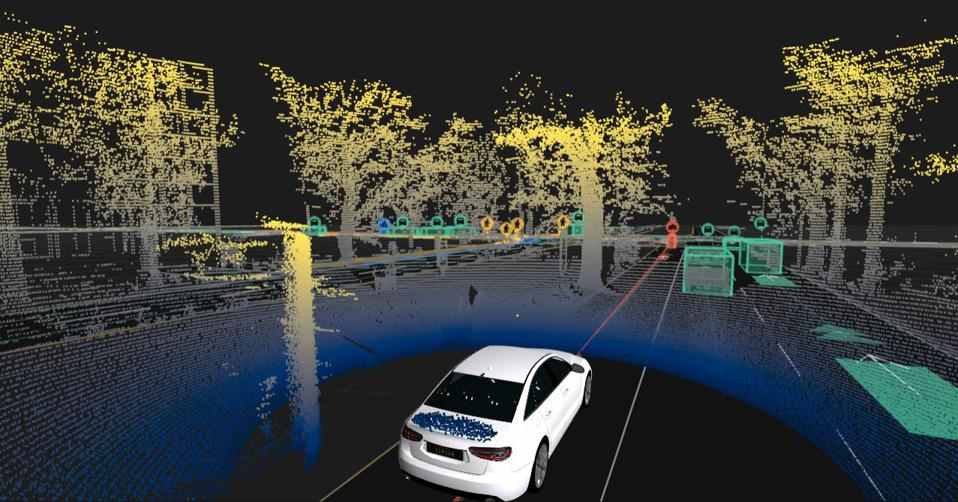
Applied Intuition, the Silicon Valley startup developing software for self-driving vehicles, has received investment offers valuing the company at at least $30 billion, potentially doubling its valuation in just 16 months. The offers could lead to a new funding round of $1 billion or more in the coming months, according to a report from The Information.
The reported offers mark another major milestone for the nine-year-old company, which has built a multibillion-dollar business supplying the software behind autonomous vehicles without manufacturing cars itself. “Applied Intuition, a maker of software for autonomous cars, has fielded offers at a $30 billion valuation,” The Information reported, citing people who have spoken with company executives.
The news follows a funding milestone that TechStartups covered last year. In March 2025, we reported that Applied Intuition was in talks to raise capital at a $15 billion valuation, more than twice its valuation a year earlier. Kleiner Perkins, an existing investor, reportedly discussed leading that round.
Three months later, the company closed a $600 million Series F financing and tender offer at the anticipated $15 billion valuation. BlackRock-managed funds and Kleiner Perkins co-led the transaction.
Now, investors appear willing to assign Applied Intuition a price tag twice that amount.
The latest investment offers do not mean a deal is complete. Applied Intuition has yet to announce a new financing round at the reported valuation, and the final terms could change.
Why investors are betting billions on Applied Intuition
Founded in 2017 by Qasar Younis and Peter Ludwig, Applied Intuition has taken a different approach from autonomous driving companies such as Waymo and Tesla.
Rather than build vehicles or operate robotaxi fleets, the company develops software that helps automakers and industrial companies create, test, and deploy intelligent machines. Its products include vehicle operating systems, autonomous driving software, and simulation tools that allow engineers to test vehicles in virtual environments before putting them on public roads.
That business has grown well beyond passenger cars. Applied Intuition now serves customers in trucking, construction, mining, agriculture, and defense.
The Mountain View, California-based company says its technology is used by 18 of the world’s 20 largest automakers, giving it a significant position in an industry where software is becoming central to vehicle development.
Its commercial relationships are growing, too.
On October 6, Applied Intuition announced separate partnerships with Honda and Nissan to support the Japanese automakers’ next-generation software-defined vehicles. The agreements focus on developing vehicle software platforms that can be updated, improved, and customized over time.
These partnerships highlight a shift in the automotive industry. Carmakers increasingly need software that can manage everything from driving assistance and vehicle controls to artificial intelligence features. Building that technology internally can take years and require substantial engineering resources.
Applied Intuition wants to provide the software infrastructure manufacturers can use instead of building everything themselves.
The company’s financial growth has attracted investor attention. By the end of 2024, Applied Intuition had reached approximately $400 million in annual recurring revenue, double its level a year earlier, according to The Information’s earlier reporting. A more recent revenue figure has not been publicly confirmed.
Applied Intuition has attracted backing from some of Silicon Valley’s biggest investment firms, including Andreessen Horowitz, General Catalyst, Lux Capital, and Kleiner Perkins.
Its potential $30 billion valuation reflects growing investor interest in companies bringing AI into physical machines, from automobiles and industrial equipment to military systems.
But the valuation remains an offer, not a price set by a completed transaction. Investors would still need to agree on the amount of capital, ownership stakes, and other financing terms.
For Applied Intuition, the bigger story may be what its rising valuation says about the autonomous vehicle industry. Investors are placing increasingly large bets on the software companies supplying the technology that automakers need, rather than exclusively backing the companies building self-driving cars.
If a financing round closes at $30 billion, Applied Intuition will have doubled its valuation since June 2025, marking another major leap for a startup that was worth just $1.25 billion when TechStartups first covered its unicorn milestone in 2020.
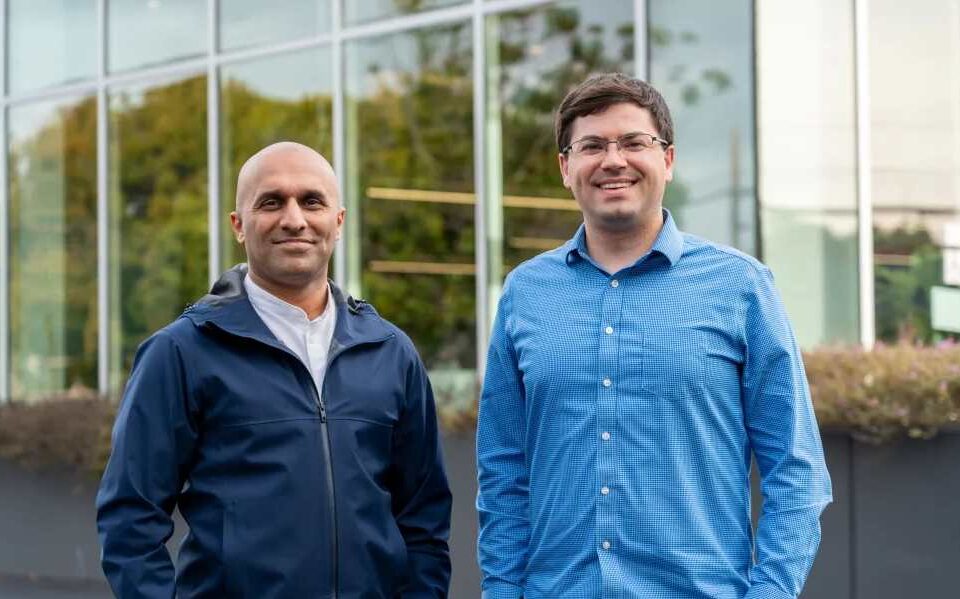
Applied Intuition Founders