Tesla drops ‘Full Self-Driving’ name in Europe, rebrands FSD as ‘Tesla Assisted Driving’ after regulators call name misleading
 Daniel Levi
Posted On October 9, 2026
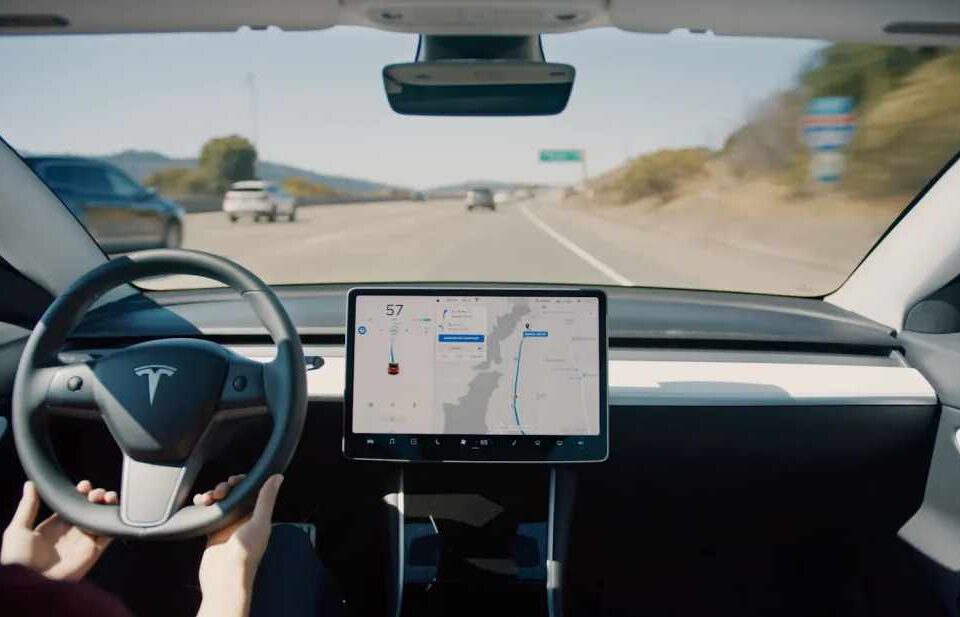
Tesla is dropping the “Full Self-Driving” name across its European websites, replacing it with “Tesla Assisted Driving” after regulators raised concerns that the original branding could mislead drivers into believing their vehicles can operate without human supervision, Reuters reported. The change comes as CEO Elon Musk pushes to secure European Union approval for the technology, which he sees as central to Tesla’s future.
The rebranding is already visible across Tesla’s websites in Germany, Spain, the Netherlands, and Slovakia. Pages that previously promoted Full Self-Driving (FSD) now redirect visitors to information about Tesla Assisted Driving. In the United States, the automaker continues to market the software as “Full Self-Driving (Supervised).”
The name change follows an announcement from Germany on Tuesday that Tesla had offered to adopt the new branding. German officials have backed efforts to accelerate approval of the software, but regulators elsewhere remain concerned about how Tesla describes its capabilities.
The distinction matters. Tesla’s FSD can handle many driving tasks, including steering, acceleration, braking, and responding to traffic conditions. Yet the system still requires continuous human supervision. Drivers must remain attentive and ready to intervene, and they retain legal responsibility for operating the vehicle.
For years, that gap between the product’s name and its actual capabilities has drawn criticism from regulators and safety advocates. Now Tesla appears willing to change the branding to help remove one obstacle to its European ambitions.
Tesla’s FSD Rebrand Comes as EU Approval Faces Delays
The branding dispute is part of a much larger regulatory battle.
According to Reuters reporting published Friday, Tesla has been pressing European authorities to approve its driver-assistance software, encouraging owners and supporters to contact national regulators and demand faster decisions.
The campaign has raised questions about safety, driver responsibility, and whether Tesla’s marketing accurately reflects what the technology can do.
In Sweden, consumer protection authorities previously asked the country’s transport regulator to examine whether Tesla’s FSD advertising could create a false impression of fully autonomous driving.
Italian officials expressed similar concerns. In internal correspondence obtained by Reuters, authorities warned that the name and associated promotional materials “could lead users to believe that the vehicle is equipped with unsupervised automatic driving functions attributable to higher levels of automation, particularly SAE Level 3”.
That distinction is significant. SAE Level 3 systems can perform driving tasks without constant human supervision under defined conditions, though drivers must respond when the system requests intervention. Tesla’s supervised FSD does not provide that level of autonomy.
Regulatory pressure has continued to build as Tesla seeks access to more European markets.
Eight EU countries have already authorized the system, and Slovakia is expected to become the ninth within days. Yet the broader approval process remains unsettled.
A vote that could clear the way for wider EU deployment was originally expected in October. It has since been postponed until at least December, with countries including France conducting further testing.
For Musk, the stakes extend beyond a software feature. Tesla has increasingly positioned autonomous driving, robotaxis, and software revenue as major parts of its long-term business strategy. Wider European approval could open another market for paid driver-assistance features and strengthen Tesla’s efforts to generate revenue beyond vehicle sales.
The rebranding does not mean Tesla is abandoning its self-driving ambitions. Nor does it establish that the underlying software has changed or that European authorities will approve it.
Instead, it represents a concession on how the technology is presented to customers.
The irony is difficult to miss. Tesla spent years promoting software under a name that suggested cars could drive themselves. In Europe, the company is now acknowledging through its branding that the driver remains part of the equation.
Tesla may have changed the name, but the bigger question facing European regulators remains the same: Can the software demonstrate it is safe enough for wider deployment?
Tesla