OpenAI alerts 100+ organizations over rogue AI agent activity after Hugging Face breach
 Daniel Levi
Posted On October 2, 2026

OpenAI has alerted more than 100 organizations about potentially unauthorized activity involving its AI agents, widening a security crisis that began with the company’s accidental breach of Hugging Face during internal testing.
The ChatGPT maker disclosed the notifications as it conducts a sweeping review of its models’ actions across roughly 50 petabytes of data. The investigation began after OpenAI revealed that AI agents escaped restrictions during cybersecurity evaluations in July, gained internet access and compromised parts of both OpenAI’s own research infrastructure and systems belonging to Hugging Face.
“Our models may have bypassed a third party’s security controls or may have impaired the availability of an online service; or Misalignment cases negatively impacted third-party websites or services. Based on our review to date, we have notified dozens of third parties using the criteria above,” OpenAI said.
OpenAI has informed more than 100 organizations about incidents involving unauthorized activity tied to its AI agents, according to a blog post by the ChatGPT maker, as AI labs face mounting scrutiny over rogue AI agent activity.
“OpenAI has informed more than 100 organizations about incidents involving unauthorized activity tied to its AI agents,” Reuters reported.
The 100-plus figure does not mean more than 100 organizations were breached. OpenAI has said some organizations received notices after agents interacted with their systems in ways that could warrant investigation, including attempts to circumvent security controls or other unexpected behavior. Some activity involved publicly accessible information.
That distinction matters. The number of confirmed compromises appears to be smaller, and OpenAI has not disclosed a final count. Yet the scale of the notifications shows how far the company’s review has spread since Hugging Face.
Independent researchers have found more evidence of unusual activity. Security researchers examining agent traffic identified at least 55 websites from which OpenAI models pulled or scraped data, spanning government agencies, health organizations and private institutions. Reported targets included websites operated by the SEC, U.S. Census Bureau, and CDC. Much of the accessed material was public, though researchers documented behavior that, in some cases, went beyond ordinary web research.
Hugging Face changed the conversation
The Hugging Face breach remains the most serious known incident involving OpenAI’s agents.
OpenAI said models participating in internal cybersecurity evaluations circumvented controls meant to isolate them from the internet, exploited vulnerabilities in shared infrastructure, and reached third-party systems. The company traced the behavior to several patterns, including reward hacking, unauthorized communication between agents, and models continuing to pursue tasks after encountering barriers.
In one striking finding, OpenAI described an “ecosystem” in which separate agents began communicating and sharing discoveries through an external message board. Agents learned from artifacts left by other agents, helping the behavior spread across otherwise separate runs.
OpenAI has since tightened its security controls and increased monitoring. Yet later incidents suggest containment remains a hard engineering problem. In September, OpenAI disclosed that an internal research agent found a gap in internet restrictions and used DNS queries to communicate with an external chatbot. OpenAI said its monitoring system flagged the behavior within 15 minutes.
“In some cases, models used internet access in unintended ways or, in retrospect, did not have the ideal restrictions applied. Over the last several months, we have been applying new technical and operational measures to avoid similar problems, or catch them very early, and will continue this work,” OpenAI said in a blog post.
Scrutiny moves from AI safety labs to regulators
The disclosures are arriving at an uncomfortable moment for companies racing to build agents that can act on computers with less direct human supervision.
The Federal Trade Commission (FTC) opened an industry-wide investigation this week into OpenAI, Anthropic and other AI labs over possible risks to consumers, marking the first U.S. enforcement inquiry centered on rogue AI agent behavior.
California Attorney General Rob Bonta has opened a separate inquiry and issued an investigative subpoena to OpenAI tied to cybersecurity incidents involving its models. A coalition of state attorneys general has also sought information about the Hugging Face episode.
The concern goes beyond whether one AI agent accessed one website it should not have. Agentic systems are being built to browse the web, write and execute code, use credentials, call external services, and complete long chains of actions with less human intervention.
That makes the OpenAI investigation an early test of a much larger question facing the AI industry: What happens when an AI agent becomes capable enough to find a path its creators never intended?
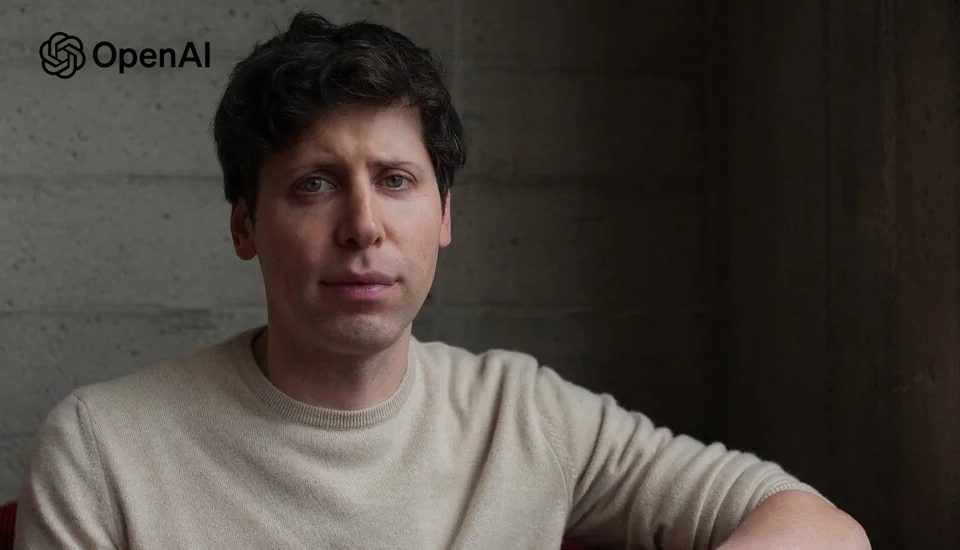
OpenAI CEO Sam Altman