SpaceX Starship reaches orbit for the first time, deploys 26 Starlink satellites
 Nickie Louise
Posted On September 28, 2026
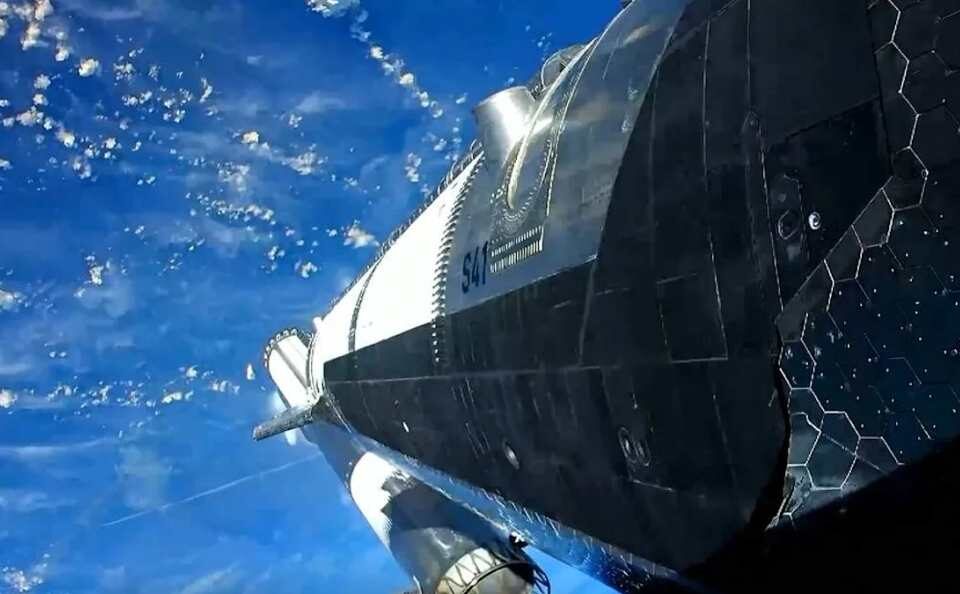
SpaceX’s Starship reached orbit for the first time Monday and deployed 26 next-generation Starlink satellites, turning what began as another high-risk test flight into the giant rocket’s first revenue-generating commercial mission.
The milestone came with drama. One of Starship’s three main engines shut down prematurely after the spacecraft reached space, briefly raising doubts about whether the vehicle could make orbit. SpaceX initially said it would abandon the attempt, then reversed course after engineers determined the spacecraft could continue.
Minutes later, Starship successfully fired its remaining engines and entered orbit.
“Payload deploy complete. All 26 @Starlink V3 satellites are in orbit,” SpaceX said in a post on X.
The @Starlink team has made contact with all 26 satellites https://t.co/qiAubuhytS
— SpaceX (@SpaceX) September 28, 2026
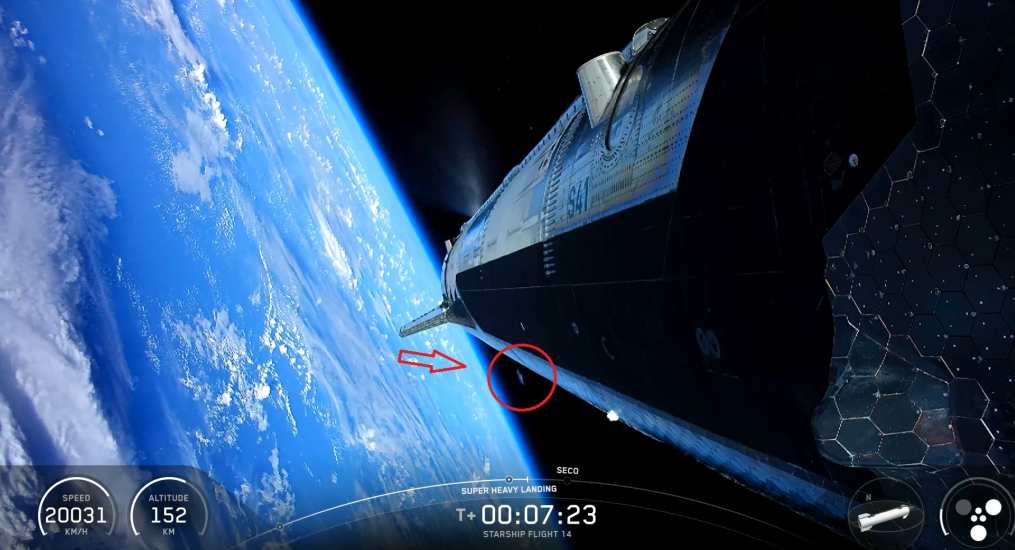
That deployment marked a major shift for a program that has spent years flying prototypes without commercial payloads. All 13 previous Starship flights since 2023 remained suborbital. Monday’s Flight 14 carried operational satellites worth millions of dollars and put them where SpaceX needed them.
“All 26 Starlink V3 operational satellites deployed and operating nominally,” Elon Musk wrote on X.
Starship goes from test vehicle to working rocket
The roughly 40-story vehicle lifted off from SpaceX’s Starbase facility near Brownsville, Texas. Its Super Heavy booster separated from the Starship upper stage and returned to the Gulf of Mexico for a controlled splashdown. SpaceX said several booster engines stopped working during descent.
The bigger scare came after stage separation.
One of Starship’s three main engines shut down earlier than planned. SpaceX spokesperson Dan Huot initially told viewers that the spacecraft would not attempt to reach orbit.
“The team has made the call not to commit to orbit,” Huot said during SpaceX’s livestream.
Engineers soon determined that Starship could proceed. The spacecraft fired other onboard engines and completed the orbital insertion.
Once there, it began releasing 26 Starlink V3 satellites at an altitude of roughly 269 kilometers, or 161 miles. It was Starship’s first deployment of satellites into orbit.
From concept to reality.@SpaceX has successfully deployed Starlink V3 satellites into Earth’s orbit and made contact with them for the first time.
At scale, one Starship carries 60 V3 satellites, the same network capacity as about 20 Falcon 9 launches. pic.twitter.com/ZmZN9vZ0fs
— Nic Cruz Patane (@niccruzpatane) September 28, 2026
The V3 spacecraft are central to SpaceX’s plans for scaling Starlink. SpaceX says each satellite can handle 10 times more data than the V2 Mini satellites currently launched aboard Falcon 9 rockets. Musk eventually wants Starship carrying batches of roughly 60 V3 satellites per flight.
That could give SpaceX something Falcon 9 cannot easily provide: far more Starlink capacity delivered in a single launch.
The flight ended earlier than planned. SpaceX had scheduled a roughly 10-hour mission but shortened it to about three hours following the engine problem.
Starship later descended over the Pacific and performed a maneuver that turned the spacecraft vertical before splashdown. Fire appeared around its base as it reached the ocean, followed by a large fireball after the vehicle tipped over. SpaceX had never planned to recover the spacecraft from the sea.
A milestone years behind Musk’s original schedule
Reaching orbit has been one of Starship’s longest-awaited benchmarks.
Musk once predicted Starship would reach orbit in 2022 and begin deploying satellites the following year. Instead, SpaceX spent more than three years working through explosions, lost vehicles, engine problems and other setbacks across a string of increasingly ambitious test flights.
The company has spent more than $15 billion developing Starship, Reuters reported.
Monday’s success carries significance beyond Starlink. NASA plans to use a modified version of Starship as a lunar lander for future Artemis missions. Those flights will require capabilities far beyond placing satellites into low Earth orbit, including reliable engine operation in space.
NASA Administrator Jared Isaacman congratulated SpaceX on X for “getting Ship to orbit and managing every step in a safe, responsible, and especially inspirational way.”
The engine failure means SpaceX still has work ahead. Yet the mission crossed a line the program had never crossed before.
Starship did not simply reach orbit. It arrived carrying paying cargo and left 26 operational satellites behind.
For a rocket that spent its first 13 flights proving it could survive increasingly difficult tests, Flight 14 was the first glimpse of what SpaceX has been trying to build all along: a Starship that works for a living.