Hubble Network raises $200M at $1.6B valuation to connect Bluetooth devices directly to satellites
 Daniel Levi
Posted On September 23, 2026
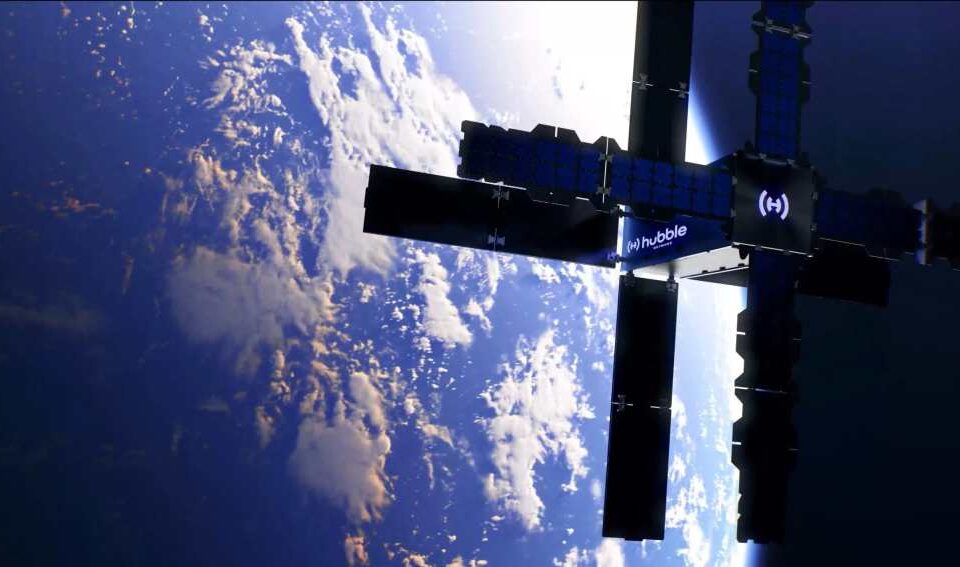
Hubble Network has raised $200 million in Series C funding at a $1.6 billion valuation, betting that the next wave of satellite-connected devices won’t need a satellite modem at all. They may already have everything they need inside: Bluetooth.
The Seattle-based startup announced the financing Wednesday as it opened its satellite network to general availability. Smith Point Capital led the round, joined by Seraphim, Carthona Capital, Earthshot Ventures, Y Combinator and RPM Ventures, the startup announced Wednesday.
The new investment brings Hubble’s total funding to $300 million and gives the company fresh capital for an ambitious buildout in low Earth orbit. Hubble currently operates six satellites and plans to grow that constellation to 60 by 2030.
“When we said we’d connect Bluetooth chips to satellites, most of the industry said the physics wouldn’t allow it,” said Alex Haro, CEO and co-founder of Hubble Network. “Today we’re turning that early skepticism into a global opportunity. Alongside our partners and investors who believe in our vision, we’re poised to take the next big leap toward a global satellite network that delivers affordable, low-power, ubiquitous connectivity for billions of devices.”
What makes Hubble unusual isn’t simply that it has satellites circling Earth. SpaceX, Amazon, and a growing list of satellite companies are already building networks in low Earth orbit. Hubble’s pitch is about what happens on the ground.
The company says standard Bluetooth Low Energy radios already found inside connected devices can transmit location and sensor data through its satellites after a firmware update. No cellular modem. No GPS. No dedicated satellite hardware.
That could change the economics of connecting devices that spend much of their lives beyond cellular networks.
A cattle tracker in a remote pasture, a shipping label crossing an ocean or industrial equipment operating far from a cell tower typically needs extra communications hardware to stay connected. Hubble is trying to make the Bluetooth chip already inside those devices do the job.

Hubble Network Founders (Image Credit: Hubble Network)
Turning Bluetooth into a global network
Hubble says its technology can receive Bluetooth signals from devices on Earth using satellites in low Earth orbit. Rather than asking manufacturers to redesign products around specialized satellite components, the company wants them to update software on compatible Bluetooth hardware.
That distinction matters. Adding dedicated satellite connectivity can increase a device’s cost, size and energy requirements. A software-based route could make satellite communications practical for far more low-cost sensors, trackers and Internet of Things devices.
Hubble has already lined up semiconductor relationships around that strategy. The satellite startup says it is working with Texas Instruments, one of the largest chipmakers serving embedded and connected-device markets. Smart-label company Reelables is also working with Hubble, giving the technology a potential path into shipment and asset tracking.
The company’s roots are closely tied to location technology. Hubble was founded by Alex Haro, who previously co-founded Life360, the location-sharing company best known for helping families track the whereabouts of family members and connected devices.
Hubble is now taking that location problem far beyond the cellular network.
The $200 million round comes as satellite connectivity moves closer to ordinary consumer and industrial hardware. Smartphone makers have added emergency satellite features, carriers are working with satellite operators to extend coverage beyond cell towers, and chipmakers are building new communications capabilities into smaller and smaller devices.
Hubble is approaching the same opportunity from a different direction. Rather than putting more satellite hardware into every device, it wants to make hardware already there communicate with space.
If that works at scale, Bluetooth may no longer stop where cellular coverage ends.