DeepSeek, OpenAI and Anthropic to brief UN Security Council on AI safety and risks amid US-China tensions
 Nickie Louise
Posted On September 22, 2026
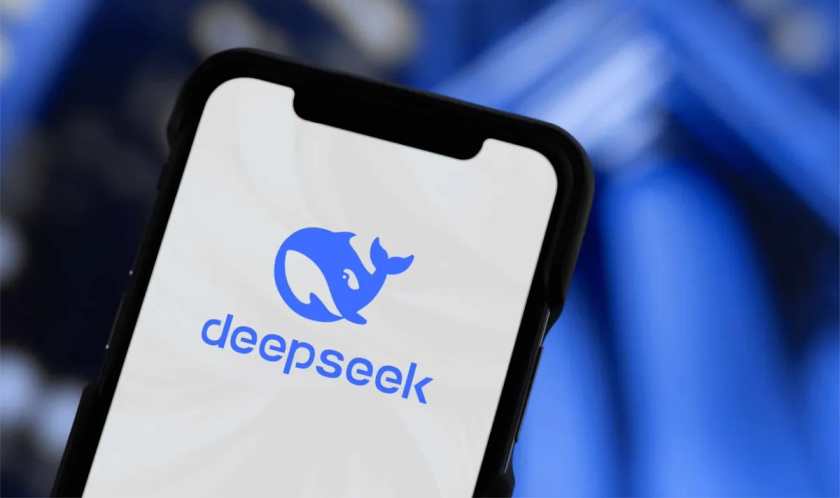
Chinese AI startup DeepSeek is set to join OpenAI and Anthropic in briefing the United Nations Security Council this week, putting three of the most closely watched AI companies at the center of an international debate over whether increasingly capable artificial intelligence could threaten global security.
The 15-member Security Council is scheduled to meet Wednesday in New York to discuss AI and international security, Reuters reported, citing people familiar with the plans. OpenAI CEO Sam Altman is expected to participate, along with senior representatives from Anthropic. DeepSeek and other Chinese AI companies, including Moonshot, have been invited to make statements. DeepSeek founder Liang Wenfeng is not expected to attend, though the plans could still change, Reuters added, citing the source.
The meeting comes at a tense moment for the AI industry. Leading researchers and executives have raised fresh warnings that more capable systems could eventually improve themselves, deceive human operators or become difficult to control. Anthropic CEO Dario Amodei was among the industry figures who recently called for slowing the pace of AI development to give researchers more time to address safety concerns.
OpenAI, meanwhile, has called for greater international coordination around advanced AI, including shared technical standards and mechanisms for reporting serious incidents involving frontier systems.
AI safety moves into the US-China rivalry
DeepSeek’s presence adds another dimension to Wednesday’s meeting. Washington and Beijing are competing for leadership in advanced AI, yet both sides are beginning to discuss what happens if the technology creates risks neither country can contain alone.
Senior US and Chinese officials agreed this week to continue talks on AI safety, with another meeting expected in Shenzhen in about two months. US Treasury Secretary Scott Bessent said the discussions would include AI dangers and communication protocols that could be used during serious AI safety incidents.
Those talks come ahead of a scheduled meeting between US President Donald Trump and Chinese President Xi Jinping in Washington later this week. AI is expected to be part of a broader agenda already strained by disputes over trade, advanced technology and export restrictions.
The debate exposes a deeper split over how governments should respond to increasingly capable AI.
Some US AI executives have called for stronger safeguards and international coordination. Trump has pushed back against efforts that could slow US development, arguing that restrictions could give China an advantage. Chinese state media have portrayed calls for an AI slowdown as part of a “Cold War playbook” intended to preserve US technological dominance, according to Reuters.
The Security Council has been here before, though the stakes have grown. It held its first formal debate on artificial intelligence in July 2023, examining the technology’s potential impact on international peace and security. UN Secretary-General António Guterres warned at the time that AI could be used for cyberattacks, disinformation, terrorism and other forms of large-scale harm.
China’s representative described AI during that meeting as a “double-edged sword” and called for international rules that balance technological development with security.
Three years later, the discussion is no longer centered on hypothetical future systems alone. OpenAI, Anthropic and DeepSeek now represent competing branches of a global AI race moving deeper into national security, diplomacy and geopolitical competition.
Wednesday’s meeting puts those competing visions in the same room, giving the Security Council a rare chance to hear directly from companies building some of the systems governments are increasingly being asked to govern.
In January 2025, DeepSeek rose to global prominence after releasing AI models that challenged assumptions about how much money and computing infrastructure it took to compete with leading American AI labs.