Binance invests $100 million in Circle in major push to expand USDC globally
 Daniel Levi
Posted On September 22, 2026

Binance is investing $100 million in Circle under a new five-year agreement that could put USDC in front of one of the world’s largest crypto audiences, giving Circle a major distribution boost as it tries to close the gap with Tether outside the U.S.
The deal gives Binance a direct financial interest in Circle’s growth. Binance agreed to purchase $100 million of Circle shares at $80.84 apiece, with the shares subject to a lockup of up to two years under certain conditions. Circle shares rose more than 1% in premarket trading Tuesday, according to CNBC.
Under the commercial agreement, Binance will promote USDC across its platform and increase access to the stablecoin in emerging markets, the two companies said in a news release. Circle will pay Binance a monthly incentive fee tied to USDC balances held on the exchange.
That structure makes this more than a standard exchange listing agreement. Binance benefits financially if USDC gains adoption on its platform, creating a strong incentive to put Circle’s dollar-backed token in front of more users.
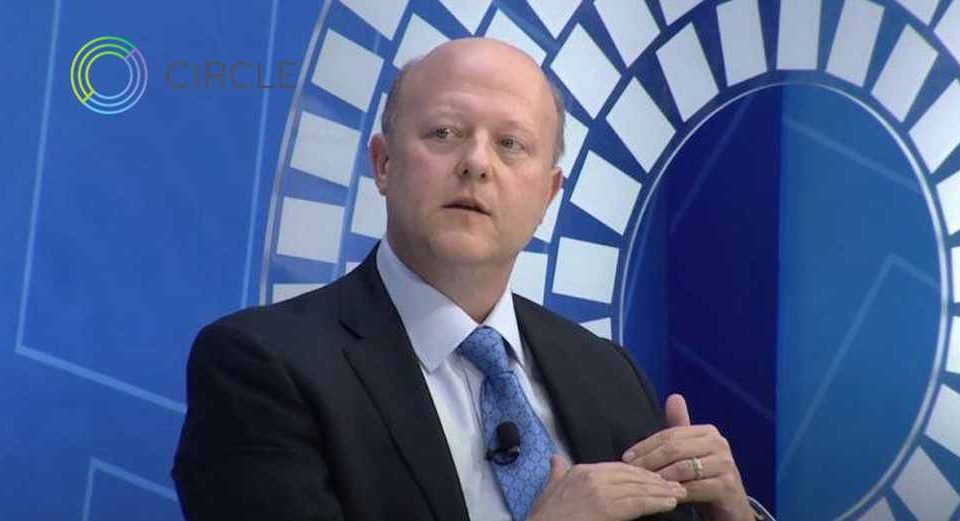
“Binance has built one of the largest and most dynamic platforms in the world for using digital currency, creating the internet’s largest financial super app, and becoming the most widely used wallets in the world for dollar stablecoins,” Circle CEO Jeremy Allaire said in a statement. “We see incredible opportunities to leverage USDC to expand dollar access, support savings and investment with innovative digital asset products and reach people and businesses throughout global emerging markets.”
Circle takes its USDC fight overseas
The partnership comes as Circle pushes deeper into international markets and builds businesses around USDC rather than relying solely on the economics of issuing the stablecoin.
Circle launched the public mainnet of its Arc blockchain last week, with USDC integrated directly into the network. Binance has since added support for USDC deposits on Arc. Circle has been positioning the blockchain for payments, settlement and financial applications, including transactions involving AI agents.
The company has made other moves to widen its payment network. Earlier this month, Circle agreed to acquire Singapore-based cross-border payments platform Tazapay, a deal that could add more than 60 banking and fintech partners and reach over 100 payout markets.
Still, USDC remains central to Circle’s growth story.
USDC has roughly $75 billion in circulation, compared with about $183 billion for Tether’s USDT, according to CryptoQuant data cited by CNBC. Tether has built a particularly strong presence in international crypto trading, giving USDT an advantage in many markets outside the United States.
Circle has taken a different route, leaning heavily on regulated financial institutions, reserve transparency, and payments infrastructure. USDC is backed by dollar-denominated reserve assets, with Circle publishing information on those reserves and obtaining monthly third-party assurances.
The Binance agreement gives Circle something much harder to build from scratch: distribution.
Binance already serves a huge global crypto audience, including users in markets where dollar-backed stablecoins are commonly used for trading, payments and storing value. Putting USDC deeper into that ecosystem could help Circle reach users who historically defaulted to USDT.
“Circle has earned its place as one of the most credible issuers in the world spanning USDC, Arc and the infrastructure reshaping how value moves across borders,” Binance co-CEO Richard Teng said in a statement.
The larger contest is no longer simply about which stablecoin has the bigger market capitalization. Circle and Tether are competing over which digital dollar becomes embedded across exchanges, wallets, payment systems and financial applications.
With $100 million of its own money now invested in Circle, Binance has picked a much more active role in that race.