Exein raises $270M at $1.7B valuation to secure robots, autonomous vehicles, and physical AI
 Daniel Levi
Posted On September 15, 2026
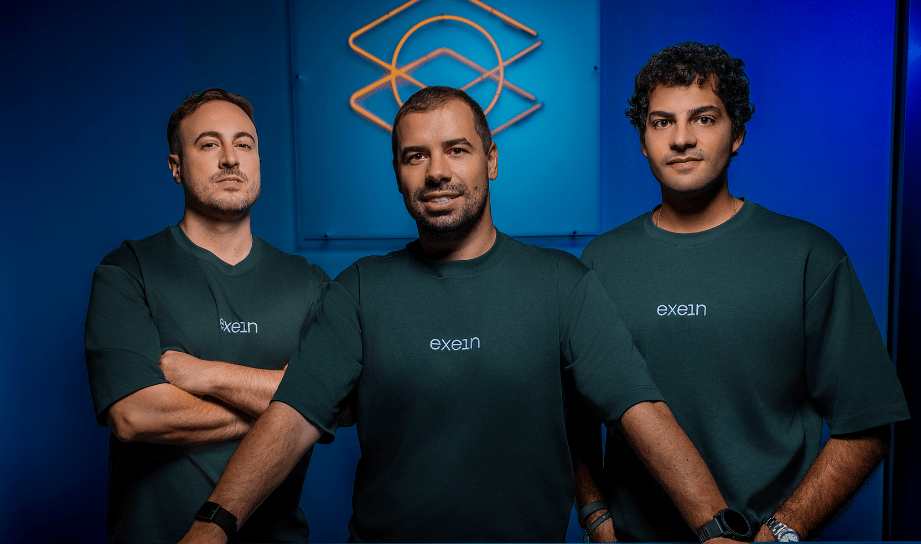
Rome-based cybersecurity startup Exein has raised $270 million at a $1.7 billion valuation, betting that the next major cybersecurity battleground won’t live solely in data centers or laptops. It will be inside robots, autonomous vehicles, drones and other AI-powered machines operating in the physical world.
The new valuation represents a 30-fold increase in two years, according to Exein. The company said annual recurring revenue in the first half of 2026 quadrupled from the previous year, with its security technology now deployed across more than two billion devices.
Headline led the round, joined by Sofina, Goldman Sachs, the European Investment Bank Group through ETCI, KfW Capital and T.Capital. Existing investors, including Balderton, HV, Lakestar, Intrepid Growth Partners, 33N Ventures, Supernova Invest, Blue Cloud Ventures and Geodesic Capital, also participated.
Exein said the round was significantly oversubscribed. J.P. Morgan separately led an increase to the company’s existing revolving credit facility, with KfW joining as a lender.
“AI is moving out of the cloud and into the physical world, and this is the transition Exein was built for,” founder and CEO Gianni Cuozzo said. “Frontier models are pushing the patch window to zero. Attacks now happen at machine speed, so defense has to as well.”
The fresh capital will fund growth in the U.S. and Asia-Pacific, including plans to increase U.S. hiring and potentially open an office in the San Francisco Bay Area. Exein currently generates roughly half its revenue from Asia-Pacific and established its regional headquarters in Taiwan following its previous funding round in December 2025.
Securing AI that can move, drive and act
The more interesting part of Exein’s pitch sits beyond the funding numbers.
AI is leaving the screen. Robots can manipulate physical objects, vehicles can make driving decisions, and autonomous systems can interact with infrastructure without waiting for a person to approve every action. That changes the stakes of cybersecurity. A compromised chatbot might leak information. A compromised machine can affect its physical environment.
Exein wants its software sitting close to where those decisions happen.
Earlier this year, the company introduced Photon, a runtime security architecture that operates at the kernel level and aims to stop malicious code before it executes. Exein is pairing that technology with an ambitious AI project of its own: a proprietary foundation model focused on Physical AI security.
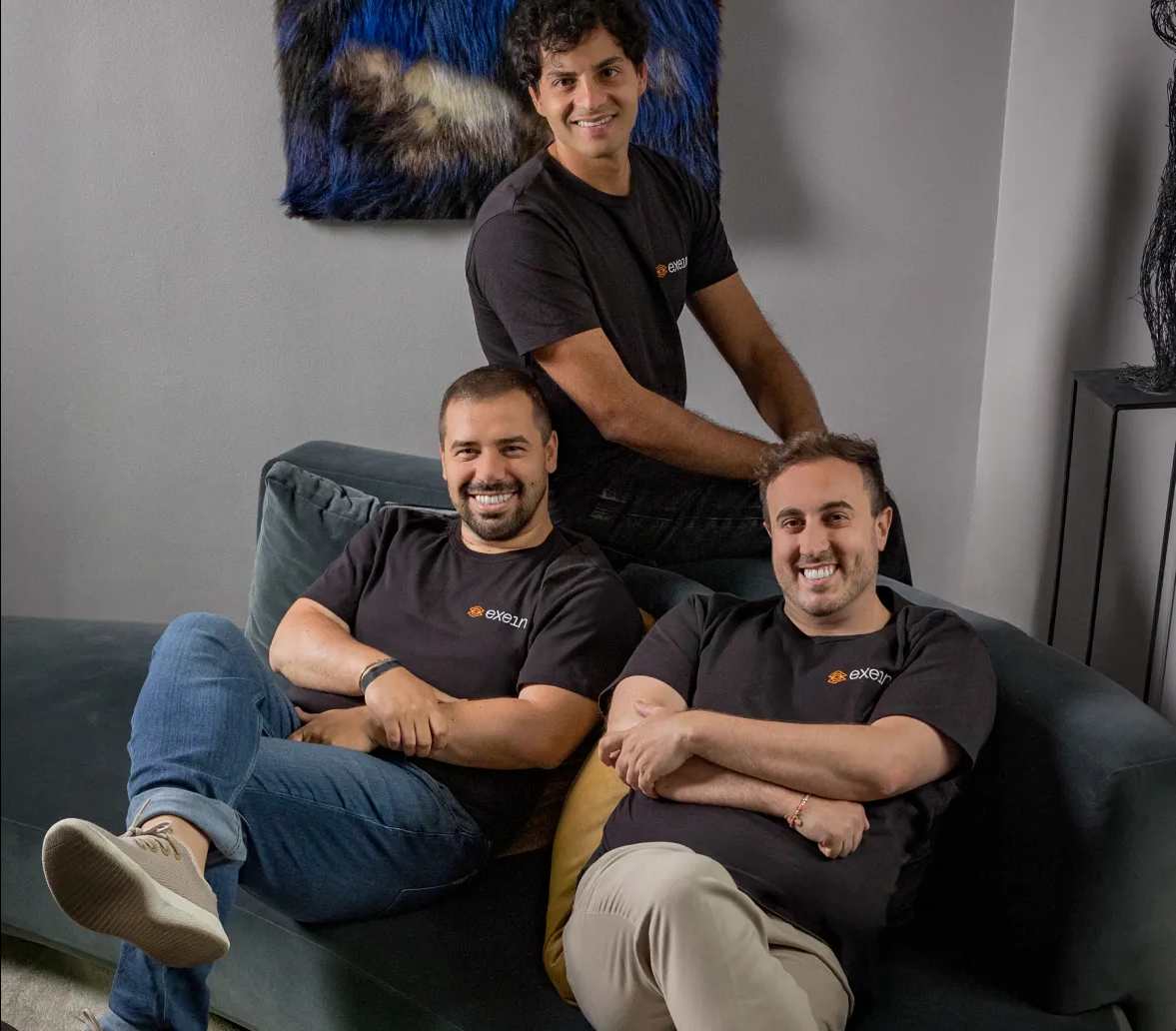
Exein Founders (Credit: Exein)
The company says the model has been in development for two years and is being trained using machine telemetry collected through Exein technology deployed across more than two billion devices. That dataset could become one of Exein’s strongest competitive assets. Rather than relying primarily on human-generated information, the model learns from data describing how machines behave in real operating environments.
Exein plans to use the model to create autonomous security agents that can detect and respond to threats at machine speed. It expects its agentic security architecture by the end of 2026, followed by its first foundation models in the first quarter of 2027.
The urgency is growing. Exein says its network now encounters about 5,000 new, non-repetitive attacks each week, five times the number recorded a year ago.
“As AI moves into robots, vehicles, and critical infrastructure, securing the physical world will become one of the defining cybersecurity challenges of the next decade. Exein’s deep expertise in embedded systems and unique machine data give it a powerful advantage as it scales globally, and that advantage traces back to the team. Gianni and his team have incredible technical and commercial depth, they put customer trust above all else, and they have always chosen the harder, long-term-oriented path. We’re honoured to help them build a global leader in Physical AI security,” Clarey Zhu, Partner at Headline, said.
Exein’s $1.7 billion valuation bets big on that thesis. Cybersecurity spent decades protecting computers people use. The next fight may be protecting computers that can act on their own.