OpenAI to block Cursor’s access to its AI models after Elon Musk’s SpaceX acquisition
 Daniel Levi
Posted On August 31, 2026
Daniel Levi
Posted On August 31, 2026
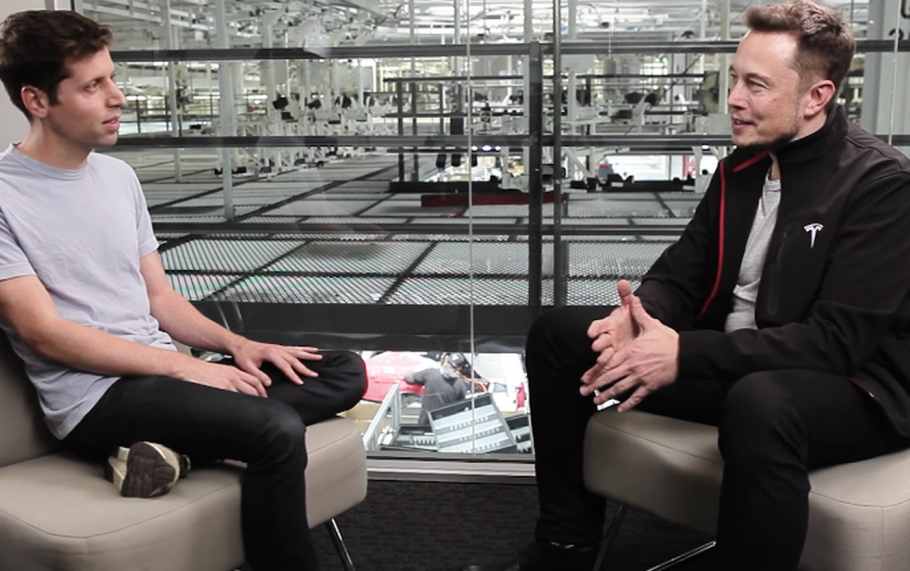
OpenAI is cutting off Cursor’s direct access to its AI models after Elon Musk’s SpaceX acquired the AI coding startup, setting up another flashpoint in the years-long feud between Musk and OpenAI CEO Sam Altman.
The proposed cutoff date is November 12, 2026. OpenAI said Cursor will retain access during the transition, but the company will stop providing future models as it winds down the relationship.
“We’re ending our partnership with Cursor following its acquisition by SpaceX. Under our proposal, Cursor’s direct access to our models would end on November 12. We know that the people most affected by this decision are the developers who rely on OpenAI models in Cursor. We care about their experience in this transition, and we’re ready to go above and beyond to support them,” OpenAI said in a post on X.
OpenAI tied the decision directly to its history with Musk.
“We are making this choice because we cannot be confident that SpaceX will use our technology within our terms of service, based on our experience with Elon Musk’s companies violating contracts,” the company said.
SpaceX completed its $60 billion acquisition of Cursor on August 14, according to financial filings. The deal brought one of the most prominent AI coding platforms into Musk’s growing technology empire, which already includes X and xAI.
Cursor CEO Michael Truell pushed back on the decision Friday night, pointing to the companies’ long relationship and the relatively small share of Cursor traffic served by OpenAI.
“OpenAI models serve about 5% of Cursor user traffic, and we’re speaking with the OpenAI team to resolve this. Cursor was one of the very first users of OpenAI, we’ve worked closely with their team for years, and we’ve trusted their platform to be neutral infrastructure for our business,” Truell wrote on X.
That 5% figure could soften the immediate technical impact. The bigger question is what OpenAI’s decision says about AI model providers becoming gatekeepers for companies building products on top of their systems.
The Musk-Altman feud reaches AI coding
The Cursor split adds a new business front to the bitter relationship between Musk and OpenAI.
Musk co-founded OpenAI as a nonprofit research lab in 2015 and left its board in 2018 after disagreements over the organization’s direction. He later became one of OpenAI’s fiercest critics, accusing the company of abandoning its founding mission as it grew into a commercial AI giant backed by Microsoft.
Musk sued OpenAI, Altman and President Greg Brockman in 2024 over that transformation. OpenAI has disputed his claims. Musk lost the lawsuit earlier this year and has vowed to appeal.
The latest dispute drew an angry response from Musk. In a post on X Saturday, he wrote, “I couldn’t care less. Scam Altman and Greg Stockman are utterly untrustworthy,” before repeating his allegation that the pair “stole an open source nonprofit.”
Cursor still has another major model supplier in Anthropic. Anthropic co-founder Tom Brown signaled Friday that his company plans to deepen its relationship with Cursor following the SpaceX acquisition.
“Cursor has been a trusted partner of Anthropic since Sonnet 3.5. We’ll continue to increase compute to support Claude models in Cursor and are excited for what comes next with them at SpaceX,” Brown wrote.
The irony was quickly noticed. Anthropic blocked AI coding startup Windsurf from direct access to Claude models last year, prompting Replit CEO Amjad Masad and others to point to that history in replies to Brown.
The episode exposes a growing risk for AI startups built on models they do not control. Model providers increasingly compete with the applications using their technology, and access can change when ownership, contracts, or strategic interests collide.
For Cursor users, November 12 is now the date to watch. For the broader AI industry, the bigger question is whether access to leading models can truly function as neutral infrastructure when the companies controlling those models are simultaneously partners, suppliers and competitors.