Elon Musk loses trillionaire status as Tesla and SpaceX drops, net worth falls to $957 billion
 Daniel Levi
Posted On June 24, 2026
Daniel Levi
Posted On June 24, 2026
Elon Musk’s stay in the trillionaire club didn’t last long.
Less than two weeks after becoming the first person to cross the $1 trillion mark, Musk has fallen back below it after a sharp market sell-off hit the two companies that account for most of his fortune. By the close of trading on Wednesday, Tesla and SpaceX shares had dropped enough to knock Musk’s net worth below $1 trillion, ending one of the most eye-catching runs in modern wealth history.
Bloomberg’s Billionaires Index pegged Musk’s fortune at about $957 billion by late Wednesday. Forbes put it slightly higher at $970.2 billion as of 4 p.m. ET. The exact number varies by index and valuation method, but the broader story is the same: Musk is no longer a trillionaire, at least for now.

Bloomberg Billionaires Index (Credit: Bloomberg)
The reversal came after a global stock sell-off rattled major tech names and hit companies tied closely to the AI boom. Investors spent the week digesting renewed fears over interest rates, stretched valuations, and whether the market’s appetite for AI-driven growth has run too far ahead of reality. Tesla slid. SpaceX pulled back. Musk’s net worth moved with them.
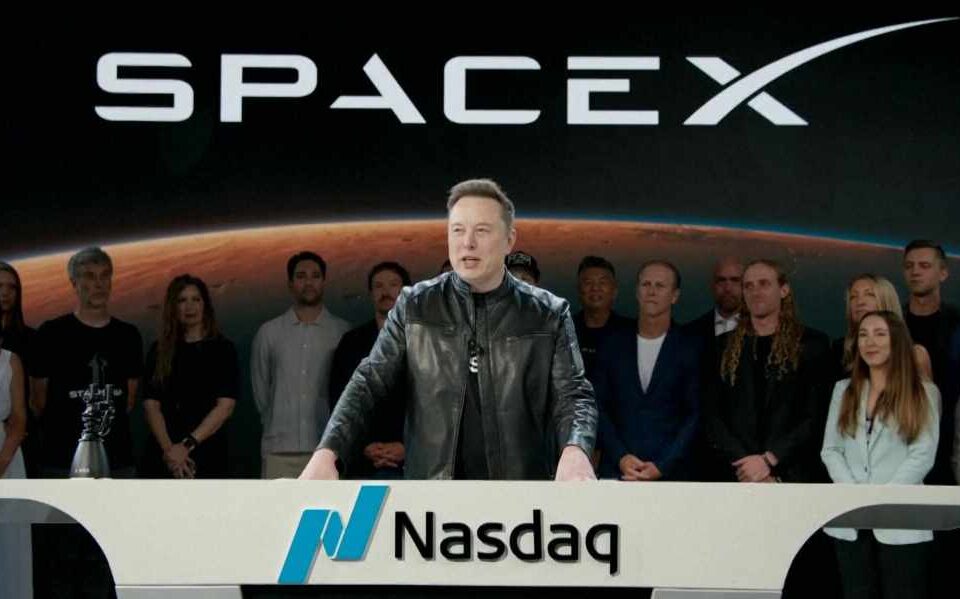
That link is what made Musk’s rise to $1 trillion so extraordinary in the first place. His wealth is overwhelmingly tied to equity in Tesla and SpaceX rather than cash, which means it can swell or shrink at a speed few fortunes in history ever have. When SpaceX went public earlier this month in a record-setting IPO that valued the company at more than $2 trillion, Musk’s net worth surged with it and briefly put him in a financial category of his own.
SpaceX’s debut was one of the biggest moments of the year for public markets. The company raised $75 billion in the offering, and its shares jumped 19% within 24 hours of listing, climbing from an IPO price of $135 to nearly $161 at one point. That rally helped push Musk above the trillion-dollar threshold on June 12 and kept him hovering near it in the days that followed.
The same structure that sent his fortune soaring is now pulling it back down. SpaceX was trading around $154.35 on Wednesday, off recent highs, and Tesla has been under pressure during the broader market retreat. Since Musk’s wealth is concentrated in those holdings, relatively modest moves in either stock can erase or add tens of billions of dollars on paper in a matter of days.

The broader backdrop matters here. This week’s sell-off was not limited to Musk. Tech stocks across the board came under pressure as investors reassessed risk. Companies that have benefited most from the AI trade were among the hardest hit, including Alphabet and semiconductor names such as Samsung. For Musk, that kind of market move lands with unusual force simply because so much of his net worth is tied to a small number of volatile assets, according to the Guardian.
What makes the drop striking is not that Musk lost the title, but how quickly the swing happened. He added roughly $338 billion to his fortune this year alone, according to Bloomberg’s tracking, a gain larger than the entire net worth of almost anyone else on the planet. The gap between Musk and the rest of the billionaire ranks remains enormous. Larry Page, the Google co-founder and the world’s next-richest person by some estimates, sits far behind him.
So Musk is no longer a trillionaire. That part is true. But the larger takeaway is that his wealth now moves at the speed of the public markets. If Tesla or SpaceX rebounds, the trillion-dollar mark could come back just as quickly as it disappeared. For now, though, one of the shortest-lived titles in finance belongs to the same person who made it possible in the first place.