Tesla driver using autopilot crashes into Texas home, killing woman inside
 Daniel Levi
Posted On June 22, 2026
Daniel Levi
Posted On June 22, 2026
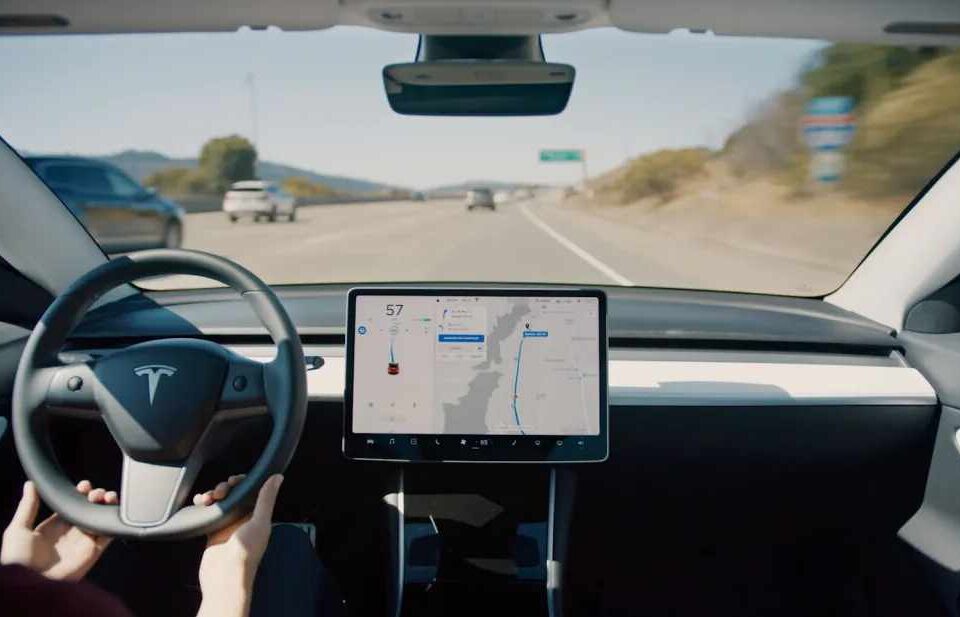
A Tesla Model 3 crashed into a home in Katy, Texas, on Friday night, killing a 76-year-old woman who was inside and setting off a new investigation into Tesla’s driver-assistance technology.
Authorities say the driver, Michael Butler, told investigators an automated driving-assistance system was engaged when the vehicle left the roadway and slammed into the brick home around 8 p.m. local time on June 19. The woman inside the house, identified by local authorities as Martha Avila, was struck during the crash and later died from her injuries. Butler was hurt but survived.
“A driver in a Tesla vehicle that was engaged in automated driver-assistance mode crashed into a house in Texas on Friday night and killed a woman inside,” The New York Times reported, citing the authorities.
The Harris County Sheriff’s Office has not said whether the Tesla was operating on the company’s standard Autopilot system or its more advanced Full Self-Driving software. That distinction matters. Tesla uses the two systems differently, and both have been the subject of years of public debate, regulatory attention, and lawsuits over how the technology is marketed and how drivers use it on real roads.
Mr. Butler “failed to drive in a single lane, left the roadway and struck the residence” at 1907 Blooming Park Lane, the authorities said.
For now, the facts are still being assembled. Investigators are reviewing what happened in the seconds before impact, including what vehicle systems were active and whether the driver attempted to intervene. No charges had been announced as of Monday, and the investigation remains ongoing.
The crash itself was devastating. According to local reporting and statements from law enforcement, the Tesla left the road at a high rate of speed, tore through the front of the residence, and struck Avila inside the home. Images released by local officials show heavy structural damage to the front of the house, a reminder of just how violent the collision was.
Tesla Autopilot Faces Fresh Scrutiny After Deadly Crash Into Texas Home
The case is already drawing wider attention because it lands at a tense moment for Tesla and for the broader push toward automated driving. Tesla has spent years selling a vision of software-led driving, pairing driver-assistance features with promises of increasingly capable autonomy. Yet the company has long said its systems do not make its vehicles fully autonomous and that drivers must stay attentive and ready to take control at all times.
That gap between marketing, driver expectations, and real-world behavior has become one of the central fault lines in the autonomous vehicle debate. Critics have argued for years that Tesla’s branding has created confusion about what its systems can actually do. Supporters counter that driver-assistance tools can improve safety when used properly and that human misuse should not be confused with system intent. Fatal crashes like the one in Katy keep that argument alive because they force the same uncomfortable question back into public view: what happens when a driver says the software was on, but the outcome looks like a total failure of supervision, system design, or both?
That question matters well beyond Tesla. Every high-profile crash involving assisted-driving technology shapes how regulators, insurers, automakers, and startups think about the road ahead. It can influence consumer trust, raise the bar for safety validation, and add pressure on companies building sensors, monitoring systems, simulation tools, and autonomous driving software. For startups in the mobility stack, incidents like this are not just headlines. They can change product roadmaps, fundraising conversations, and the standards customers expect from any system that partially controls a vehicle.
Tesla has not publicly addressed this specific incident. The company has faced scrutiny for Autopilot and Full Self-Driving in the past, including investigations, recalls, and criticism over how its systems are described to drivers. This latest crash is unlikely to quiet any of that. If anything, it adds another tragic case to the growing body of real-world incidents that regulators and safety advocates point to when arguing that driver-assistance technology still carries serious unanswered risks.
The Katy crash is a brutal reminder that the autonomy race is no longer a future-facing story about demos and promises. It is happening on public roads, in neighborhoods, and in people’s homes. That is what makes the outcome here so unsettling. A woman was not struck at an intersection or on a highway shoulder. She was inside her own house when a car came through the wall.
For Tesla, the next phase of scrutiny will likely turn on the vehicle data and what investigators can prove about the system’s status before the crash. For the rest of the industry, the lesson is harder to ignore. The closer driver-assistance systems move toward real autonomy, the less room there is for ambiguity about what the software can do, what the driver must do, and who is responsible when everything goes wrong.