Rivian lays off hundreds of employees as EV maker pushes for profitability ahead of R2 SUV launch
 Daniel Levi
Posted On June 16, 2026
Daniel Levi
Posted On June 16, 2026
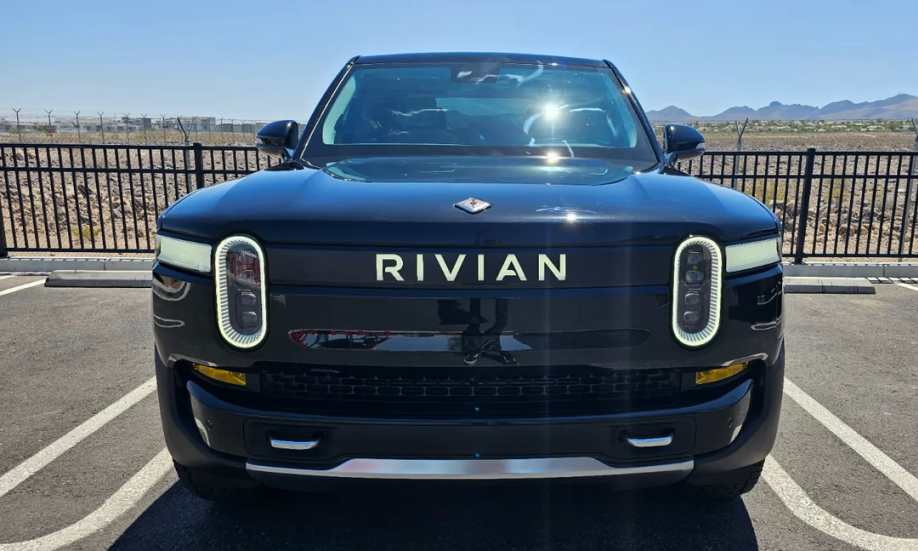
Rivian is cutting hundreds of jobs as the electric vehicle maker enters one of the most important chapters in its history.
The layoffs, announced Tuesday, affect less than 2% of Rivian’s workforce and come just days after the company began delivering its long-awaited R2 SUV. The move underscores the pressure facing EV startups as they try to balance growth ambitions with the hard reality of turning a profit.
According to a report from The Wall Street Journal, Rivian eliminated hundreds of positions across parts of its business, primarily within service, sales, marketing, and customer-facing operations. The company employed roughly 15,200 people at the end of 2025.
“Electric vehicle automaker Rivian laid off hundreds of employees Tuesday, a move to make the business profitable as it launches a key new model. The cuts represent less than 2% of Rivian’s workforce,” The Wall Street Journal reported, citing a Rivian spokesperson, who also confirmed the restructuring.
“We recently restructured a handful of teams within Rivian as we work to profitably scale our business.”
The timing is hard to miss. Rivian is betting heavily on the R2, a smaller and more affordable SUV that many investors see as the company’s best chance to move beyond the niche luxury EV market and reach a much broader audience.
Rivian’s biggest test yet
For years, Rivian has attracted attention with its premium R1T pickup and R1S SUV. The vehicles earned strong reviews and built a loyal customer base, but they have not generated the scale needed to make the company profitable.
The R2 is expected to change that.
The new SUV launched with higher-end configurations priced around $58,000, with lower-cost versions expected to arrive later. Rivian hopes the vehicle can do for its business what the Model 3 did for Tesla: expand its reach beyond early adopters and luxury buyers.
Early signs have been encouraging. Rivian said about half of initial R2 customers chose leasing options, a figure that aligns with the company’s expectations and suggests strong consumer interest as deliveries begin.
That momentum matters.
Rivian generated $5.4 billion in revenue last year from roughly 42,000 vehicle sales. Yet the company has never posted an annual profit. Its net loss for 2025 reached approximately $3.6 billion, highlighting the financial challenge of building vehicles at scale in an increasingly competitive market.
Cost cuts continue as EV market pressure grows
Tuesday’s layoffs are not an isolated event.
Rivian has spent much of the past year trimming costs and restructuring teams ahead of the R2 launch. The company cut roughly 4.5% of its workforce in October 2025, eliminating more than 600 positions. Smaller reductions followed across manufacturing and commercial operations.
The company faces pressure from several directions. Demand for higher-priced electric vehicles has cooled. Sales of Rivian’s R1S and R1T declined in May. The expiration of the federal $7,500 EV tax credit has added another hurdle for buyers weighing a purchase.
Competition across the EV sector has intensified as established automakers and startups compete for market share in a more price-sensitive market.
Rivian has repeatedly said it expects to reach profitability around 2027. Whether it hits that target may largely depend on the success of the R2 and how efficiently it scales production over the next two years.
The company is simultaneously investing in autonomous driving technology, an area that could become a major growth driver but requires significant capital.
Industry reports have linked Rivian to discussions with Uber involving a potential deployment of up to 50,000 R2 vehicles for future robotaxi services, a partnership that could provide another path to volume growth if finalized.
Investors react cautiously
Wall Street’s initial response was muted.
Rivian shares fell about 4% in midday trading Tuesday after news of the layoffs surfaced.
For investors, the workforce reduction sends a mixed signal. Cutting costs can help improve margins and move the company closer to profitability. Job cuts can also reflect the financial strain that continues to weigh on many EV manufacturers.
Rivian argues the restructuring was targeted and intended to support long-term growth rather than broad cost-cutting across the company. Manufacturing operations were not the primary focus of the reductions, a sign that Rivian remains focused on ramping up production and deliveries from its Illinois plant.
The success of that strategy now rests heavily on the R2.
The SUV is more than just a new vehicle for Rivian. It is the company’s clearest opportunity to prove it can move from a promising EV startup to a sustainable automaker. Early customer interest offers reasons for optimism. The latest round of layoffs shows how much is riding on the outcome.
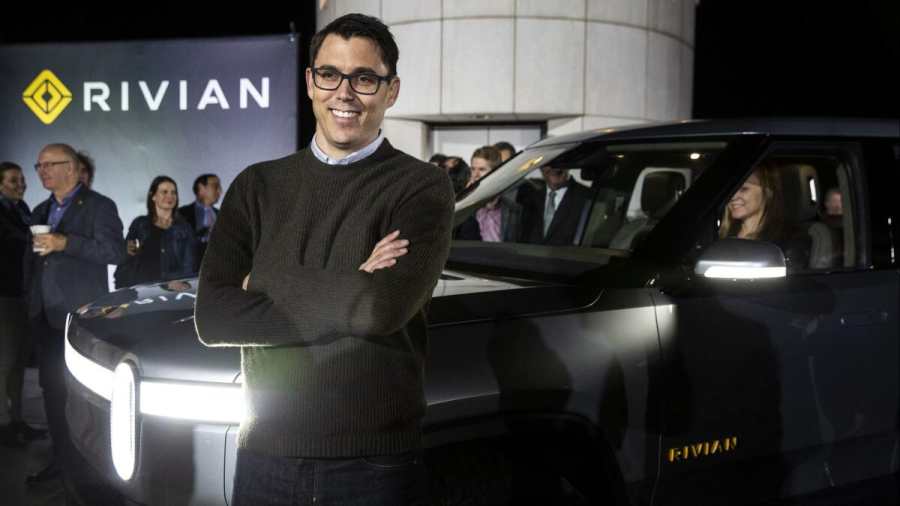
Rivian Founder and CEO RJ Scaringe