China eliminates 12,000 ‘obsolete’ university degrees, adds 10,200 AI and robotics programs in race to embrace the AI era
 Daniel Levi
Posted On June 15, 2026
Daniel Levi
Posted On June 15, 2026
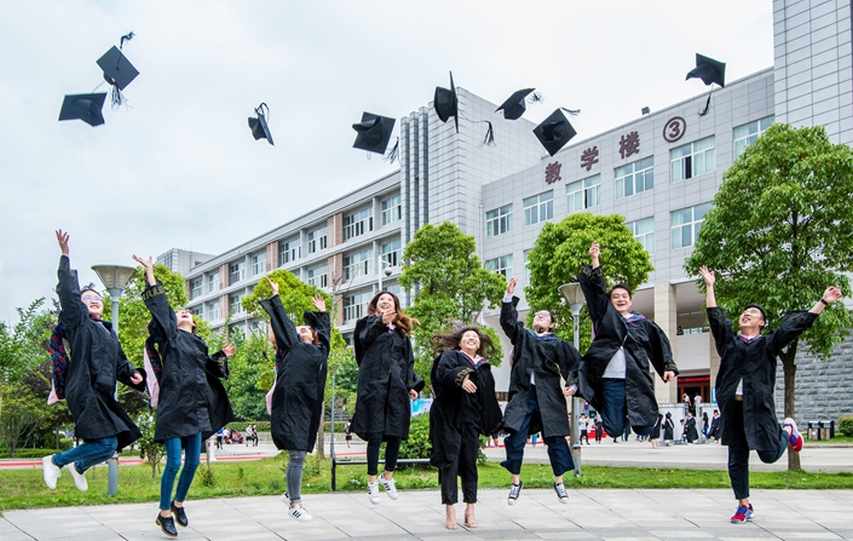
China is carrying out one of the most sweeping higher education shake-ups seen anywhere in recent years.
Between 2021 and 2025, Chinese universities revoked or suspended 12,200 undergraduate programs and introduced 10,200 new ones, according to data from China’s Ministry of Education cited by state news agency Xinhua. The changes touched more than 30% of the country’s university degree offerings, marking a major realignment of higher education with Beijing’s economic and industrial priorities.
As the South China Morning Post reported: “Between 2021 and 2025, China’s higher education institutions revoked or suspended 12,200 undergraduate degree programmes while introducing 10,200 new ones, meaning that more than 30 per cent of the nation’s university programmes underwent adjustments, according to Ministry of Education data cited by Xinhua.”
The message is clear: China wants more AI engineers, robotics specialists, semiconductor experts, and advanced manufacturing talent. It wants fewer graduates entering fields that policymakers and universities view as saturated or misaligned with labor market demand.
The restructuring has fallen hardest on arts, humanities, foreign language, and management programs. Across the country, universities are trimming or suspending degrees that once attracted large numbers of students and replacing them with programs tied to artificial intelligence, robotics, embodied intelligence, chip design, and other strategic technologies.
The move comes at a time when China is pushing to secure a leadership position in AI and other high-tech industries. It arrives alongside growing concerns about graduate employment, with millions of young people struggling to find jobs after leaving university.
China overhauls 30% of university degrees, cuts 12,000 programs, and shifts focus to AI and robotics
According to the South China Morning Post, youth unemployment has remained above 16% in recent months. More than 12 million new graduates are expected to enter China’s labor market in 2026, adding further pressure on policymakers to align education with workforce needs.
For many universities, the changes reflect how quickly AI is reshaping entire professions.
The University of Shanghai for Science and Technology halted admissions to its product design program after faculty concluded that advances in AI were transforming many of the field’s traditional tasks.
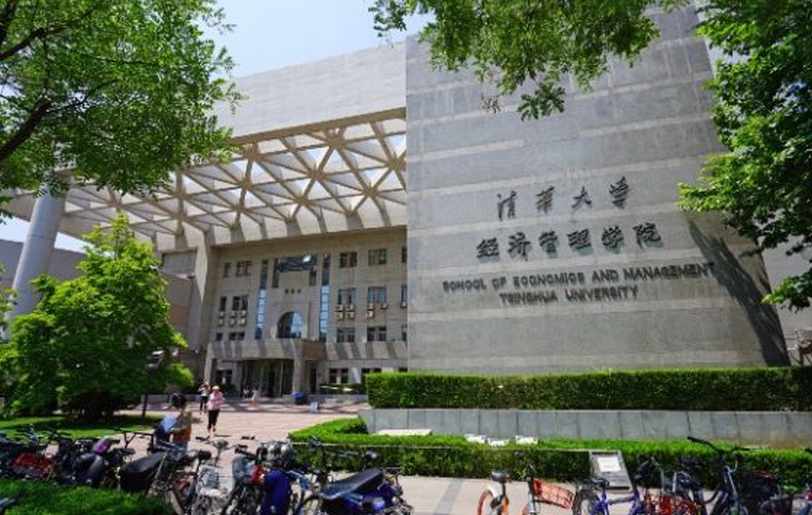
An anonymous graduate from the university described the shift in practical terms.
“The rapid development of AI has hit product design hard. Many core tasks, such as modeling and rendering, can now be handled by AI.”
Media and communications programs are seeing similar changes.
The Communication University of China restructured several majors, including combining cinematography tracks with broader film and television production programs. The move reflects changing demands in content creation, where short-form video, livestreaming, and digital platforms have altered production workflows.
Song Song, a videographer who graduated from the university in 2012, said traditional training models no longer fully match industry realities.
“With the rise of live streaming and short videos, the requirements for a cameraman are completely different from traditional television news shooting… Changes in education are absolutely necessary.”
China’s education overhaul is about more than removing programs. It reflects a broader debate over whether universities can keep pace with technological change.
Some education experts argue that replacing one major with another may not be enough if labor markets continue to shift rapidly.
Chu Zhaohui, a senior researcher at the National Institute of Education Sciences, has called for more flexible academic structures that enable students to develop skills across disciplines and adapt to evolving career opportunities. His view is that rigid degree pathways may struggle to keep up with industries increasingly influenced by AI and automation.
Parents are reaching similar conclusions.
Vincent Zhao, a media company owner who advised his daughter to study statistics and data governance, said the traditional link between a university major and a lifelong career has weakened significantly.
“The old path – where you study one specific major, find a perfectly matched job, and stay in it stably for a lifetime – simply does not exist anymore,” he said.
The restructuring builds on earlier efforts to reshape academic offerings across China. New AI-focused majors continue to emerge, including embodied intelligence programs launched at nine universities. These programs seek to connect AI systems with physical machines such as robots and intelligent devices, an area many researchers view as a major frontier for future development.
Taken together, the numbers tell the story. More than 12,000 university programs have disappeared or been suspended. More than 10,000 new programs have emerged in their place. Over 30% of China’s degree offerings have been reshaped in just five years.
As artificial intelligence rewires job markets around the globe, China is betting that universities must change just as quickly.
Trending Now