Neura robotics raises up to $1.4 billion at $7 billion valuation from Nvidia, Amazon, Qualcomm, and Tether
 Nickie Louise
Posted On June 10, 2026
Nickie Louise
Posted On June 10, 2026
The race to bring AI into the physical world just got a lot more expensive.
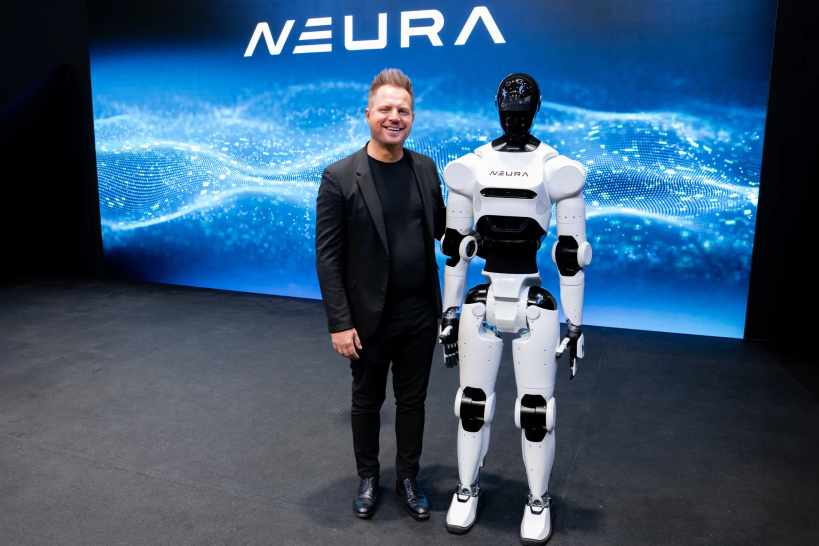
German humanoid robotics startup Neura Robotics has secured a Series C funding round worth up to $1.4 billion, drawing support from a group of investors that reads like a who’s who of tech and industry. Participants include Nvidia, Amazon, Qualcomm, Tether, Bosch, Schaeffler, and the European Investment Bank.
The financing places Neura Robotics among Europe’s most heavily funded robotics companies and values the startup at roughly $7 billion, according to a person familiar with the matter. The source requested anonymity since they were not authorized to discuss the details publicly. Neura declined to comment on its valuation.
German robotics startup Neura raises up to $1.4 billion to bring AI into the physical world
The funding news comes about three months after Bloomberg reported that Neura Robotics was seeking roughly €1 billion ($1.2 billion) in fresh capital. The report said the fundraising effort was anchored by a lead investment from Tether Holdings and could value the German AI robotics startup at around €4 billion. The latest financing suggests investor interest in humanoid robotics has continued to strengthen since those discussions were first reported.
Meanwhile, CNBC separately confirmed the latest financing and reported that the round featured Tether, Qualcomm, Amazon, and Nvidia alongside European industrial companies Bosch and Schaeffler and the European Investment Bank.
The deal arrives at a time when investors are shifting their attention from AI software to machines capable of operating in the real world. After years of excitement around chatbots, large language models, and generative AI tools, capital is increasingly flowing into companies building robots that can see, hear, learn, and interact with their surroundings.
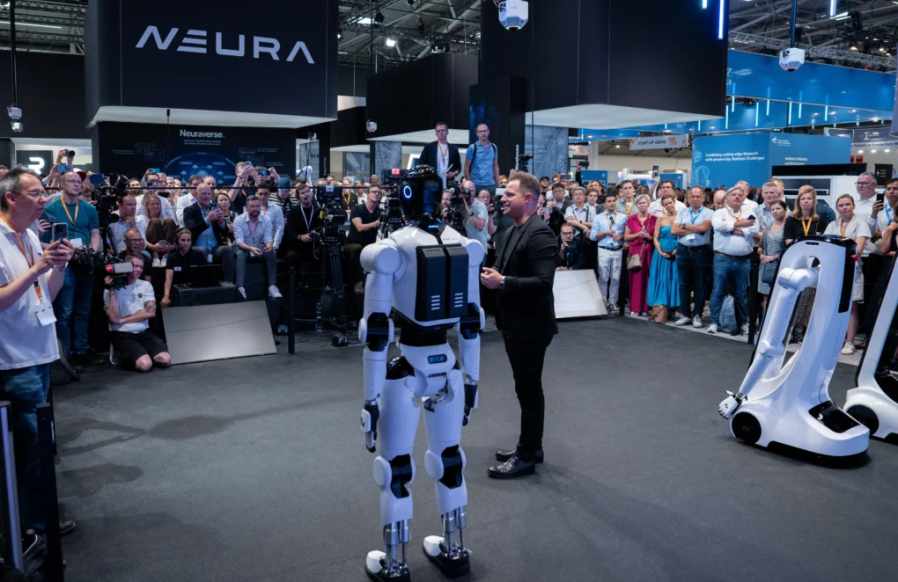
Neura Robotics
Neura founder and CEO David Reger believes that the shift is only beginning.
“For the first time, machines are moving beyond the screen and into the physical world. They can see, hear, touch, and learn. Yet most of our time is still consumed by tasks that are tedious, repetitive, and often dangerous. At NEURA Robotics, we believe technology should do more than just work. It should serve humanity. This new Series C investment of up to $1.4 billion, now behind us, is more than a milestone. It is a shared commitment from the world’s most visionary partners that this is the path forward,” Reger said in a statement posted on the company’s website.
The full funding amount remains tied to performance milestones, meaning Neura will receive the entire investment only if it meets specific targets.
AI moves from software to machines
The funding reflects a broader trend sweeping through the technology industry. Investors are placing bigger bets on what many call “physical AI,” a category that combines advanced AI models with robots capable of performing tasks in factories, warehouses, healthcare settings, offices, and homes.
According to Dealroom data, robotics companies have raised $55.8 billion so far in 2026, setting a new annual record with months still remaining. The total is nearly double the previous record set in 2025.
Much of that investment has flowed into startups in the United States and China, where companies are competing to develop the next generation of humanoid robots. Europe has been working to establish a stronger presence in that race through companies such as Germany-based Agile Robots and UK startup Humanoid.
Neura is betting that Europe can produce robotics champions capable of competing with rivals from Silicon Valley and China.
“Many believed globally relevant AI infrastructure companies could only emerge from Silicon Valley,” Reger said.
“We believe the next generation of AI leaders can emerge anywhere in the world where there is enough vision, engineering talent, and execution speed.”
“With this financing, Neura is firmly among the global leaders in the robotics race, alongside the best in the US and China.”
Why Nvidia, Amazon, and Qualcomm are paying attention
The participation of Nvidia, Amazon, and Qualcomm highlights a growing convergence between AI infrastructure providers and robotics startups.
Nvidia has invested heavily across the AI stack, from data centers and chips to software platforms that help train and operate robots. Amazon continues to expand automation across its logistics network, where robots already play a growing role in warehouse operations. Qualcomm has been pushing AI computing beyond smartphones into edge devices, industrial systems, and autonomous machines.
Their involvement suggests that major technology companies increasingly view robotics as one of the next major markets for AI deployment.
For Neura Robotics, the funding provides resources to accelerate development at a time when investor appetite for humanoid robotics is at a new high. For the broader industry, it serves as another sign that the next phase of the AI boom may be less about what happens on screens and more about what happens in factories, warehouses, hospitals, and homes.