Digital Wallets vs. Traditional Payment Gateways: Which One Should Your Startup Build On?
 Nickie Louise
Posted On May 28, 2026
Nickie Louise
Posted On May 28, 2026
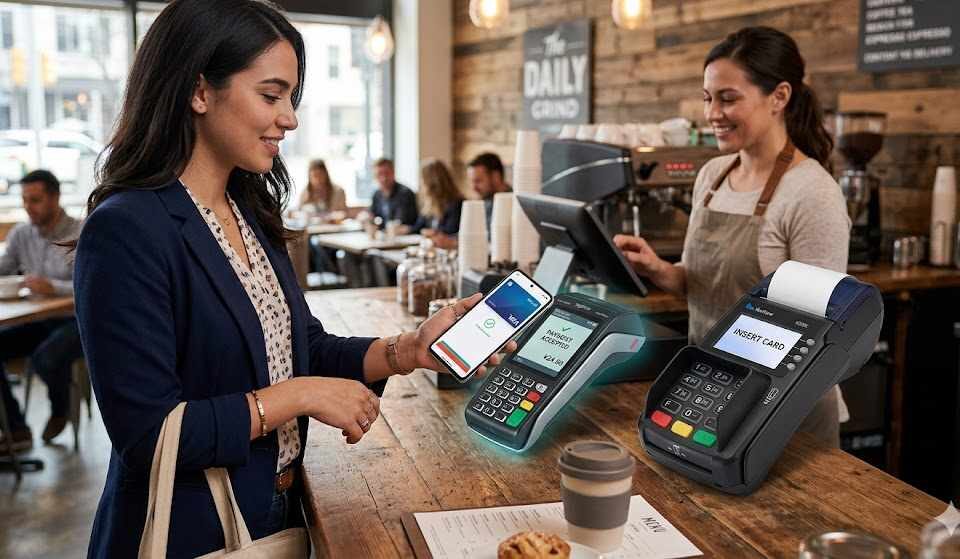
Buying things is no longer confined to walking into a shop or even sitting at a desktop computer. Smartphones turned every moment into a potential transaction, and the range of things you can pay for has expanded far beyond physical goods.
Entertainment is probably the clearest proof of this. Casino platforms, for example, have completely reimagined the payment experience. Players can now play real money slots with just a few taps on a screen, because modern online casino sites have made registration and deposits fast enough to complete in under a minute.
Streaming services like Netflix have done the same thing in a different context. You sign up, enter your card or wallet details once, and billing runs in the background indefinitely. Subscription commerce depends entirely on that frictionless model. If a payment fails or feels clunky, subscribers cancel.
With all of this in mind, many entrepreneurs are now asking a genuinely difficult question: when building a startup, should you integrate a digital wallet solution or rely on a traditional payment gateway? The answer depends on your customers, your product, and how fast you expect to scale.
What Traditional Payment Gateways Actually Do
A traditional payment gateway acts as the bridge between a customer’s bank and your business. At the point of purchase, the payment gateway encrypts the customer’s card information, routes it through the appropriate card network, obtains approval, and finalizes the transaction. Several major players dominate this space, including Stripe, Worldpay, and PayPal’s suite of merchant solutions.
Customers understand card payments. There’s no need to educate your audience on how to pay, and the infrastructure has decades of reliability. Most traditional gateways also include robust fraud detection, chargeback management tools, and straightforward API integration.
The downside is cost and complexity at scale. Transaction fees stack up, cross-border payments incur additional charges, and settlement times can range from 1 to 3 business days, depending on the provider.
For a startup operating on thin margins or serving international customers, those delays and fees matter more than most founders initially expect.
Digital Wallets May Have Changed the Equation
Digital wallets (Apple Pay, Google Pay, PayPal, Klarna, and similar services) work differently. Instead of pulling payment details from a card at checkout, wallets store pre-authorized credentials and execute transactions almost instantly. The customer authenticates with a fingerprint or face scan, and the payment clears in seconds.
The improvement in conversion rate alone makes this worth paying attention to. Research in e-commerce consistently shows that reducing the number of checkout steps increases purchase completion rates.
A wallet removes typing, removes card lookup, and removes hesitation. For mobile-first startups, especially, this is significant: a customer on a phone is far more likely to complete a purchase if they can do so with one tap rather than 10 keystrokes.
Digital wallets also tend to carry stronger built-in security. Tokenization means actual card numbers are never transmitted during a transaction, reducing exposure to data breaches. For startups without robust security infrastructure, relying on a wallet provider’s security layer can significantly reduce compliance burdens.
The Hidden Costs and Considerations You Need to Know
Neither option is without trade-offs, and startups often discover this too late. Digital wallets may appear frictionless on the customer side, but backend integration can be more complex than a standard gateway setup.
Apple Pay, for instance, requires domain verification, HTTPS compliance, and specific handling for different device types. Google Pay has its own set of requirements. If you’re building across multiple platforms, maintaining compatibility takes ongoing development time.
Traditional gateways are simpler to set up in most cases, but they require PCI DSS compliance. Handling card data requires meeting strict security standards, and while larger gateways abstract much of this, startups are still responsible for understanding where their liability lies.
A single misconfiguration can expose customer data and trigger regulatory consequences that are hard to recover from at an early stage.
Currency and geography add another layer. If your startup operates across multiple countries, traditional gateways often natively support a wider range of currencies. Some wallet providers are still limited in certain markets, meaning a wallet-only approach could exclude potential customers in regions where the technology hasn’t fully penetrated.
Which Model Suits Your Startup’s Stage and Sector
The honest answer is that most successful startups don’t choose one or the other; they build support for both. But if you’re at a stage where development resources are limited, and you need to pick a primary integration, the decision comes down to where your customers are and how they already pay.
If your product is consumer-facing, mobile-first, and aimed at younger demographics, wallet support is close to essential. That audience expects tap-to-pay convenience, and a checkout that forces manual card entry will cost you conversions.
If you’re building B2B software or selling to enterprise clients, traditional card-based payments via a reliable gateway are still the default expectation, and introducing wallet complexity may confuse rather than improve the process.
Subscription businesses sit in an interesting middle ground. Wallets work well for the initial sign-up, but recurring billing has historically been more reliable through traditional gateway infrastructure.
The payment layer of any business is the point where intent becomes revenue. Getting it right means fewer abandoned checkouts, lower churn, and customers who trust the experience enough to return.