Stord raises $250M at $3B valuation to build the AI-powered fulfillment network for independent brands
 Nickie Louise
Posted On May 26, 2026
Nickie Louise
Posted On May 26, 2026
For years, Amazon’s biggest advantage was never just e-commerce. It was the machine behind the checkout button. Fast shipping, predictable delivery, easy returns, and warehouses spread across the country changed what consumers expect from every online purchase.
Now Atlanta-based logistics startup Stord wants to build that same experience for everyone else.
On Tuesday, Stord announced a $250 million Series F funding round at a $3 billion valuation, doubling the company’s valuation in less than a year. The round included Strike Capital, Kleiner Perkins, Founders Fund, Franklin Templeton, Baillie Gifford, G Squared, Bond, and Lux.
The company says the fresh capital will help expand what it calls the “physical intelligence layer” for commerce, combining fulfillment infrastructure, software, AI systems, and robotics into a single operating network for brands competing outside Amazon’s ecosystem.
The funding arrives just months after TechStartups covered Stord’s acquisition of Shipwire, a move that signaled the company was pushing beyond traditional logistics and deeper into AI-powered commerce infrastructure. The latest raise makes that direction much clearer.
With $250M in funding, Logistics startup Stord aims to build an AI-driven alternative to Amazon fulfillment
Stord’s pitch is straightforward. Independent brands should not have to hand over customer relationships, margins, and data to giant marketplaces just to meet modern delivery expectations.
“For years, every independent brand has been left to figure out on their own how to compete against the consumer experience Amazon has spent decades and hundreds of billions building,” said Sean Henry, founder and CEO of Stord. “We give independent brands the complete commerce stack: the fulfillment network, software, and AI, to deliver a consumer experience that surpasses Prime.”
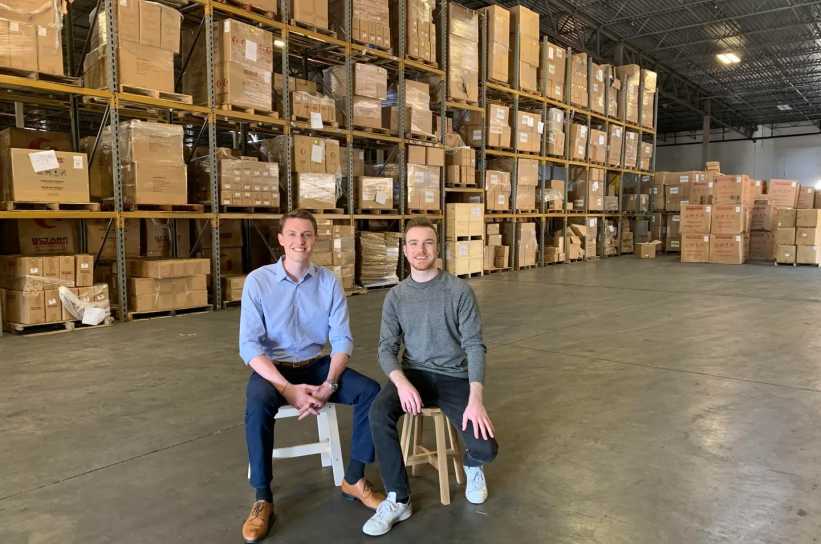
The company already operates nearly 100 fulfillment facilities and says its network touches more than one in five U.S. households annually. Stord processes roughly $15 billion in gross merchandise volume each year across more than 1,000 customers, including brands like AG1, True Classic, LMNT, and Goodr.
At the center of the announcement is Stord Labs, a new physical AI and robotics lab based at the company’s Atlanta headquarters. The lab will test agentic AI systems, warehouse robotics, and automation tools directly against live customer orders before deploying them across Stord’s production network.
That matters for one reason. Warehouses are messy. Real fulfillment environments involve damaged inventory, delayed trucks, misplaced products, labor shifts, weather disruptions, and constantly changing order flows. Training AI systems inside clean simulations only goes so far.
Stord believes its advantage comes from simultaneously owning the software layer, the warehouse network, and operational data. The company says its systems process more than 8 billion data points per year, giving its models access to real-world fulfillment behavior at scale.
The timing lines up with a larger shift happening across the logistics industry. AI is starting to move beyond chatbots and copilots into physical operations. Companies are now racing to apply AI to inventory forecasting, warehouse movement, autonomous picking systems, shipping optimization, and returns processing.
Stord says its software business tripled in 2025 and new bookings more than doubled quarter over quarter in the first quarter of 2026. The company has completed eight acquisitions so far, each tied to expanding its logistics and software footprint.
Strike Capital partner John Lagomarsino sees a much bigger transition underway.
“We believe the rise of agentic purchasing will increasingly favor platforms where software and physical operations are deeply integrated,” he said.
That idea could become increasingly important as AI agents begin handling more consumer purchasing decisions automatically. Fast fulfillment and direct customer ownership may become far more valuable in a commerce environment shaped by AI-driven buying behavior.
Amazon still controls more than one-third of U.S. ecommerce, according to the company. Stord is betting that brands want another path. One where they can offer Prime-like delivery without giving up control over the customer relationship.
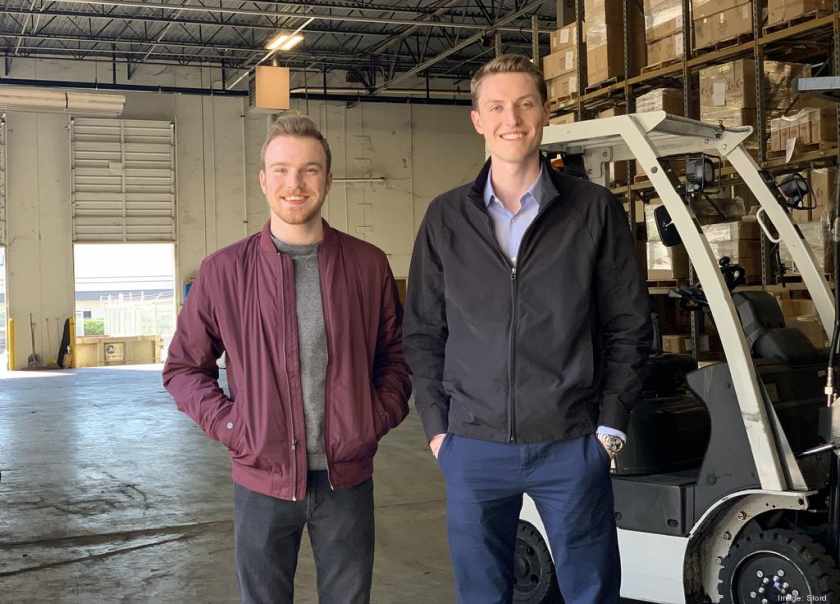
Stord co-founders Jacob Boudreau and Sean Henry (Credit: Stord)