SpaceXAI Exodus: More than 50 AI researchers leave Elon Musk’s venture as Meta and Thinking Machines poach talent
 Nickie Louise
Posted On May 15, 2026
Nickie Louise
Posted On May 15, 2026
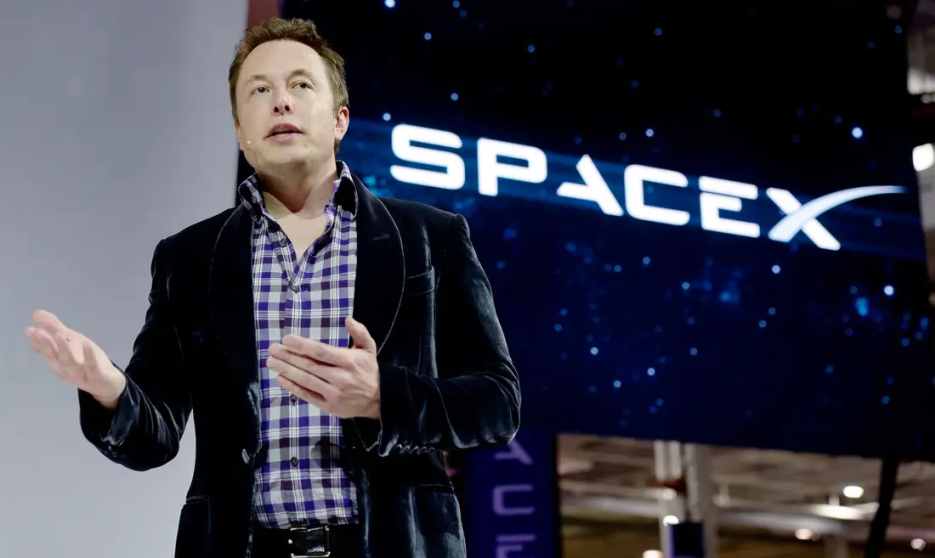
Elon Musk’s push to fuse rockets, satellites, AI models, and orbital compute into one giant company was supposed to create a new kind of tech empire. Just months later, the cracks are starting to show.
More than 50 researchers and engineers have left SpaceXAI since SpaceX absorbed xAI in February, according to a report from The Information. The departures have hit some of the company’s most important AI teams, including engineers working on Grok’s coding systems, world models, voice features, and pre-training infrastructure.
For a company trying to compete head-to-head with OpenAI, Anthropic, and Meta, losing core AI talent this quickly raises difficult questions about execution, culture, and whether Musk’s newest mega-merger is already under strain.
The exits include layoffs, firings, and voluntary departures. Several senior figures have already walked away, including leaders tied to Grok’s voice and coding efforts. Juntang Zhuang, who led the pre-training team responsible for building new frontier models, has reportedly left as well.
Insiders told The Information that the once-larger pre-training group has now been reduced to a small crew, a major concern in an industry where scale, iteration speed, and research depth often determine who stays competitive.
“More than 50 researchers and engineers working on xAI’s Grok models have left the AI lab since SpaceX acquired it in February, through layoffs, firings and voluntary departures. These departures come on top of the exits of all of xAI’s co-founders besides Elon Musk,” The Information reported.
The timing is striking.
Just weeks before news of the departures surfaced, SpaceX reached a deal with AI startup Cursor that gives Musk’s company the option to acquire Cursor for $60 billion later this year. If that acquisition path falls apart, SpaceX can reportedly pay $10 billion for the technology the companies are building together.
At the center of all this is SpaceXAI, the restructured entity formed after SpaceX folded xAI into its broader operation earlier this year. Musk pitched the merger as a way to create a “vertically-integrated innovation engine” combining AI systems with SpaceX’s launch infrastructure, Starlink satellites, and future plans for orbital data centers.
The combined company carried an eye-popping valuation of roughly $1.25 trillion at the time of the merger, with SpaceX valued at $1 trillion and xAI at $250 billion.
Yet inside the company, the mood appears far less stable.
The Information reported that nearly all of xAI’s original co-founders have now departed. That follows an earlier wave of exits announced shortly after the merger closed. Teams tied to Grok development have reportedly been hit especially hard.
Meta has emerged as one of the biggest winners from the shakeup. The company has reportedly hired at least 11 former SpaceXAI employees since February as Mark Zuckerberg continues his aggressive AI hiring push. Thinking Machines Lab, the startup founded by former OpenAI CTO Mira Murati, has reportedly recruited at least seven former staffers.
Other departing employees have joined Anthropic or started their own companies.
The movement reflects the brutal economics of the AI talent market, where top researchers can command compensation packages that rival those of professional athletes and hedge fund managers. AI labs are spending heavily to recruit engineers capable of building frontier models, reasoning systems, and next-generation coding agents.
Several factors appear to be driving the departures.
Inside the SpaceXAI Exodus: Why Top Grok Engineers Are Leaving Elon Musk’s AI Venture
Sources cited by The Information pointed to Musk’s intense work culture, aggressive timelines, and burnout concerns. Some employees reportedly felt pressure to move too quickly on Grok development, echoing complaints that have surfaced at Tesla and other Musk-led companies over the years.
The restructuring itself may have added another layer of instability. Integrating a frontier AI lab into a sprawling aerospace company is not a small organizational change, especially in a market where researchers can leave and secure lucrative offers almost immediately.
Money may have played a role, too.
SpaceX’s recurring tender offers have enabled many employees to cash out their vested equity, giving some workers the financial flexibility to leave high-pressure roles. Others may be betting that future liquidity events, including a possible SpaceX IPO, reduce the need to stay through difficult transitions.
SpaceX has not publicly commented on the departures.
The broader issue for Musk is that AI development depends heavily on a concentrated talent pool. Losing infrastructure engineers or operations staff is painful. Losing researchers responsible for pre-training models and building core systems can slow progress across the company.
That matters at a time when rivals are moving aggressively.
Meta is pouring billions into AI infrastructure and recruiting. OpenAI continues scaling its enterprise business and model lineup. Anthropic is gaining traction with enterprise customers and developers. New entrants like Thinking Machines Lab are attracting elite researchers before even releasing products.
SpaceXAI still holds enormous advantages in its compute ambitions, access to capital, infrastructure, and Musk’s ability to attract attention and investment. Yet the latest departures show that money and scale alone may not solve retention problems in frontier AI.
For now, the company trying to build humanity’s future in space is facing a much more immediate challenge on Earth: keeping its top AI researchers from walking out the door.
SpaceX