SoftBank’s OpenAI bet pays off with $45B Vision Fund gain
 Daniel Levi
Posted On May 13, 2026
Daniel Levi
Posted On May 13, 2026
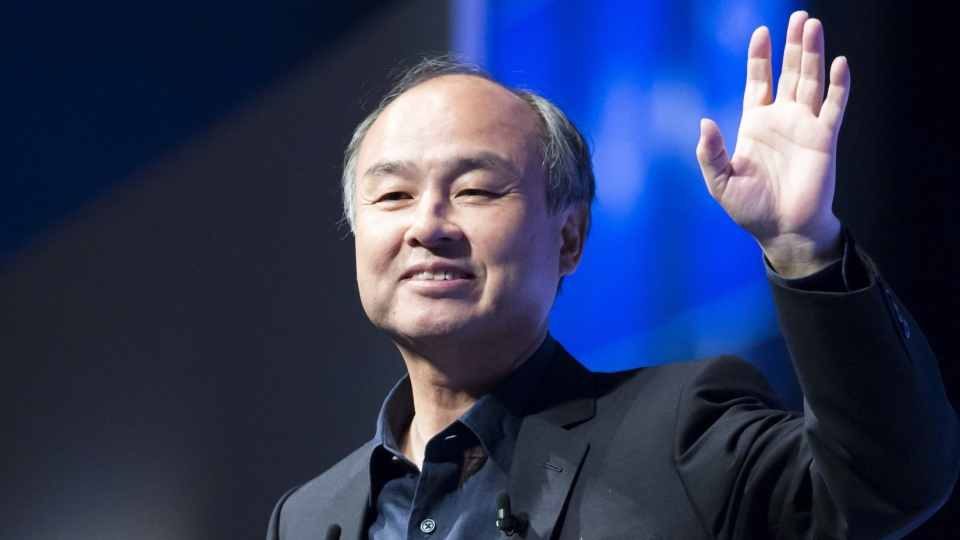
SoftBank’s giant bet on OpenAI is starting to look like one of the most profitable wagers in artificial intelligence. The Japanese investment giant said its Vision Fund booked a yearly gain of roughly $46 billion, driven largely by the soaring value of its investment in OpenAI. More than $45 billion of those gains came from the ChatGPT maker alone during the fiscal year ended March.
The numbers show how deeply SoftBank Group has tied its future to the AI boom. What started as a high-risk push into OpenAI is now reshaping the company’s balance sheet, its portfolio strategy, and its identity as one of the biggest financial backers of artificial intelligence.
The latest results mark a sharp turnaround for the Vision Fund after years of painful write-downs tied to failed startup bets and collapsing tech valuations. This time, OpenAI carried much of the weight.
In the quarter ending March, the Vision Fund recorded nearly $20 billion in gains. Almost all of it came from OpenAI, offsetting losses tied to companies including Coupang, DiDi Global, and Klarna. CNBC reported.
SoftBank has spent the past year racing to position itself at the center of the AI economy. Founder Masayoshi Son has aggressively expanded into AI infrastructure, semiconductor investments, robotics, and data centers, with OpenAI at the heart of the strategy.
The earnings report lands just two weeks after SoftBank secured a $40 billion loan to double down on OpenAI and accelerate its AI push.
How OpenAI turned into SoftBank’s most valuable investment
The company said earlier this year that it plans to invest more than $60 billion in OpenAI for a roughly 13% stake. More than half of that commitment has already been deployed.
That investment became significantly more valuable in March after OpenAI closed a funding round co-led by SoftBank that valued the company at $852 billion. The eye-popping valuation cemented OpenAI’s position as one of the most valuable private companies in the world, ahead of many publicly traded tech giants.
Still, the scale of SoftBank’s exposure to OpenAI is beginning to raise concerns across Wall Street.
In March, ratings agency S&P Global Ratings revised its outlook on SoftBank from “stable” to “negative,” warning that the company’s financial position could weaken under the weight of its growing AI commitments.
The agency said SoftBank’s “asset liquidity and quality of its portfolio, and its financial capacity are likely to deteriorate because of its additional huge investment in OpenAI.”
The warning highlights the risks associated with SoftBank’s strategy. OpenAI has become the company’s biggest source of upside, though concentration risk cuts both ways if AI valuations cool or competition intensifies.
To help finance its OpenAI push, SoftBank has been selling down positions in companies including T-Mobile and Nvidia. The company said it generated 218.1 billion yen, or about $1.4 billion, from asset sales and investment gains during the fiscal year.
Strip out Vision Fund performance, currency effects, and related expenses, and the picture looks far less impressive. SoftBank posted an investment income loss of 472.1 billion yen outside the Vision Fund business.
On the earnings call, SoftBank CFO Yoshimitsu Goto sought to reassure investors about the company’s liquidity position. He said SoftBank currently holds roughly 3.5 trillion yen in cash, enough to cover more than two years of bond redemptions.
For now, OpenAI is doing the heavy lifting.
SoftBank reported an overall annual net profit of 5 trillion yen, supported largely by the Vision Fund and its telecommunications business. The results offer a glimpse into how AI is reshaping global finance, turning a single startup investment into the main engine behind one of Japan’s largest technology conglomerates.