Samsung crosses $1 trillion valuation as AI memory boom drives historic stock surge
 Daniel Levi
Posted On May 6, 2026
Daniel Levi
Posted On May 6, 2026
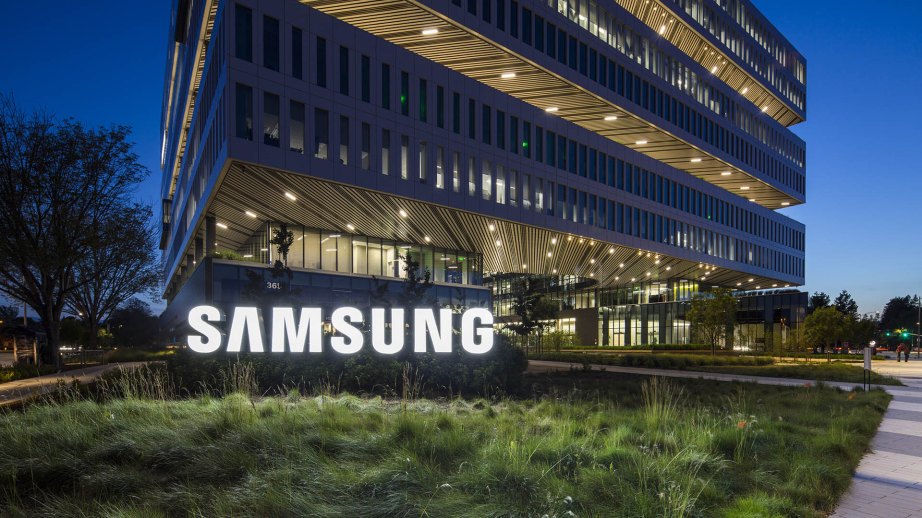
The AI boom is no longer just lifting a handful of chip stocks. It’s starting to reshape the entire semiconductor pecking order, and Samsung Electronics is suddenly back at the center of it.
Shares of Samsung surged more than 15% on Wednesday, pushing the company’s market value past the $1 trillion mark and setting it on course for its largest single-day gain on record, according to CNBC. The milestone places Samsung alongside a short list of trillion-dollar companies, including Apple, Microsoft, Nvidia, and Tesla.
The rally comes as investors pour into companies tied to artificial intelligence, where demand for computing power is spilling into every layer of the stack, from processors to memory.
Samsung is now the second Asian company to cross that milestone, after TSMC. According to FactSet data, the company briefly crossed the $1 trillion threshold on Feb. 26, though the latest surge carries more weight given the strength of its underlying business, CNBC reported.
That strength was evident in its latest results. Samsung reported record first-quarter revenue of 133.9 trillion Korean won, along with an operating profit of 57.2 trillion won, both more than eight times higher than a year earlier. The figure even surpassed its full-year 2025 operating profit, signaling how quickly demand has accelerated.
At the heart of the rally is a part of the chip market that rarely gets top billing. Memory. As AI models grow larger and more demanding, they require vast amounts of high-speed memory to move data in and out of processors. That shift has turned products like high-bandwidth memory into one of the most sought-after components in modern data centers.
The AI memory shortage reshaping the chip race
Sales of high-bandwidth memory chips have been a major driver of Samsung’s recent performance. The company said earlier this year that it began mass production of HBM4, the latest generation of the technology, with shipments already underway to select customers. These chips are expected to play a key role in future systems built around Nvidia’s upcoming Vera Rubin architecture, which is designed to handle more advanced AI workloads.
The surge in demand has created tight supply conditions across the memory market. “There is a tremendous shortage in DRAM and NAND memory chips due to torrid AI demand, which is very memory hungry due to AI’s high bandwidth and storage needs,” said Morningstar analyst Yu Jing Jie.
DRAM handles short-term data processing tasks, feeding information directly to processors, while NAND is used for long-term storage. Both are under pressure as companies race to build out AI infrastructure. New fabrication plants take years to come online, leaving supply constrained in the near term and pushing prices higher.
Samsung’s rise comes amid a competitive fight it has yet to fully win. SK Hynix still leads the high-bandwidth memory market with an estimated 55% share, compared with Samsung’s roughly 25%. Even so, investors appear less focused on that gap, as traditional DRAM margins have recently overtaken HBM margins, helping lift overall profitability.
There are signs Samsung is closing the distance. Feedback on its latest HBM4 chips has been positive, according to industry analysts, and the company’s ability to scale production could prove decisive if demand continues to outpace supply.
The rally extended beyond Samsung. Shares of SK Hynix jumped more than 10%, and South Korea’s Kospi index climbed past 7,000 for the first time, reflecting broader optimism across the sector.
There is another thread running through this story that investors are watching closely. A recent Bloomberg report said Apple has held exploratory talks with Samsung and Intel about producing chips in the United States. Any move in that direction could loosen Apple’s long-standing reliance on TSMC and redraw parts of the global chip supply chain.
For now, the bigger takeaway is clear. AI demand is no longer concentrated solely on GPUs. It is spilling into memory, storage, and infrastructure at a pace that is lifting companies once seen as cyclical players into the spotlight again. Samsung’s return to the $1 trillion club shows how quickly that shift is playing out.