Genesis AI unveils robot brain and human-like hand to reshape industrial automation in Europe
 Daniel Levi
Posted On May 6, 2026
Daniel Levi
Posted On May 6, 2026
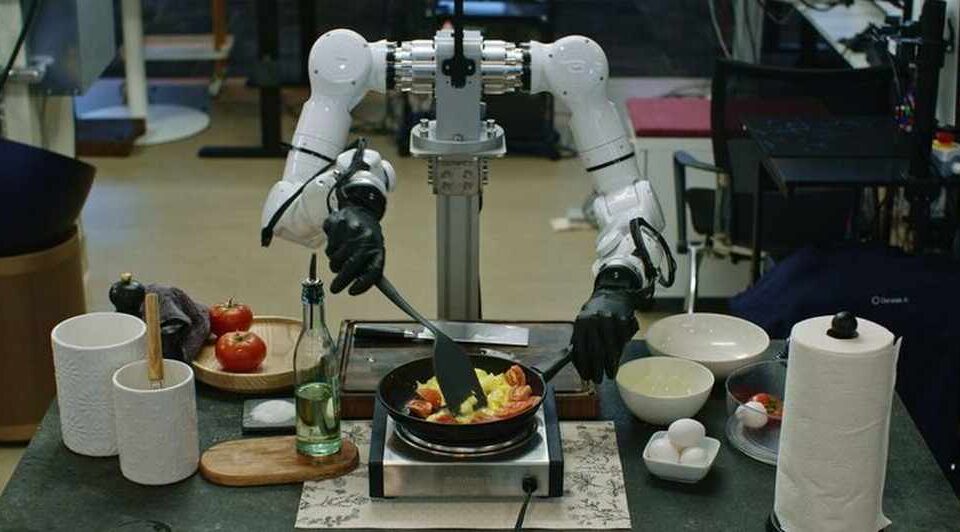
Genesis AI is making an ambitious play to bring human-like dexterity to machines, starting with both the brain and the hand. The French robotics startup, backed by former Google CEO Eric Schmidt and telecom billionaire Xavier Niel, on Wednesday introduced a new AI model designed to make robots more adaptable, along with a robotic hand that moves more like the way people work. The release signals a push to move robots beyond repetitive factory motions and into tasks that demand precision and flexibility.
At the center of the launch is GENE-26.5, a model the company says can run different types of robots, including systems built by other manufacturers. That cross-platform approach hints at a broader ambition. Genesis is not trying to build a single robot. It wants to become the intelligence layer that powers many of them.
Co-founder Theophile Gervet, a former Mistral researcher, told Reuters that the company is already in advanced talks with potential customers in France, Germany, and Italy. Those early discussions point to where Genesis opens. Europe’s industrial base still relies heavily on automation, yet many tasks remain beyond the reach of conventional robots.
The company’s robotic hand can chop tomatoes, crack eggs, solve a Rubik’s Cube, and play the piano, according to a video on its website. The demonstrations are controlled, though they point to Genesis AI’s goal of building machines that can handle delicate, unpredictable work once done by human hands.
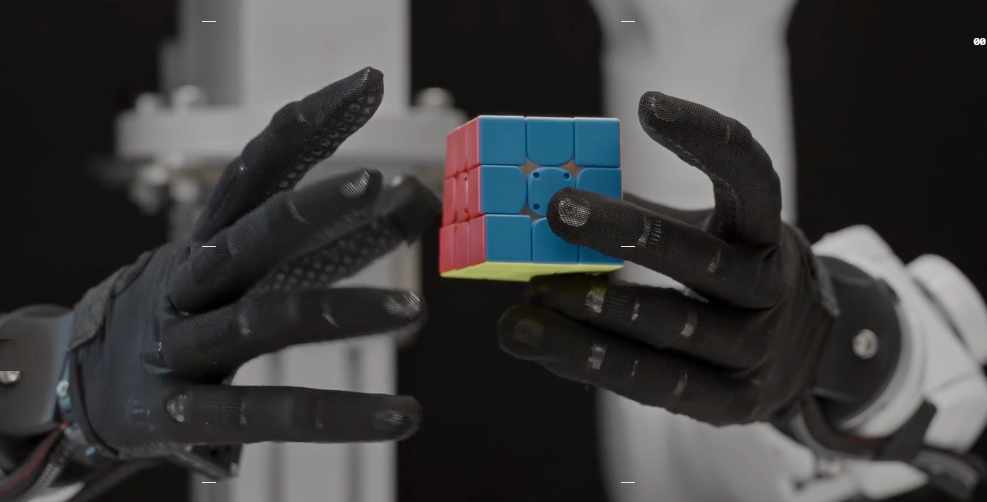
Genesis AI robot solving Rubik’s Cube (Credit: Genesis AI)
The timing is not accidental. Europe has been looking for ways to strengthen its manufacturing footprint and reduce dependence on overseas production. Robotics sits at the center of that effort, and demand is already rising. German supplier Schaeffler said this week it expects its robotics order book to grow into the hundreds of millions of euros by 2030.
Genesis is betting that software will be the unlock. The company is building a physics-based simulation platform that can generate synthetic data up to 430,000 times faster than real time. That speed allows robots to train in virtual environments before they ever touch the real world, reducing the time and cost of deployment.
The startup emerged from stealth in July 2025 with a $105 million seed round co-led by Eclipse Ventures and Khosla Ventures. Bpifrance and HongShan joined the round, along with Schmidt and Niel. The funding gave Genesis early momentum and positioned it as one of a small group of companies chasing general-purpose robotics models.
The company is structured across Silicon Valley and Paris, with a team that blends academic research and industrial experience. Its founders include Carnegie Mellon PhDs focused on AI and robotics, a background that shows up in its emphasis on simulation and data generation.
Genesis is focusing first on industries where automation still struggles. Automotive, electronics, pharmaceuticals, and logistics all rely on tasks requiring fine motor skills. Wire harnessing is one example. Bundling and taping cables requires precision that standard robotic grippers often fail to match.
To close that gap, Genesis is collecting real-world data from tens of thousands of industrial workers using sensor-equipped gloves. That data feeds back into its models, helping machines learn how humans handle objects in varied conditions.
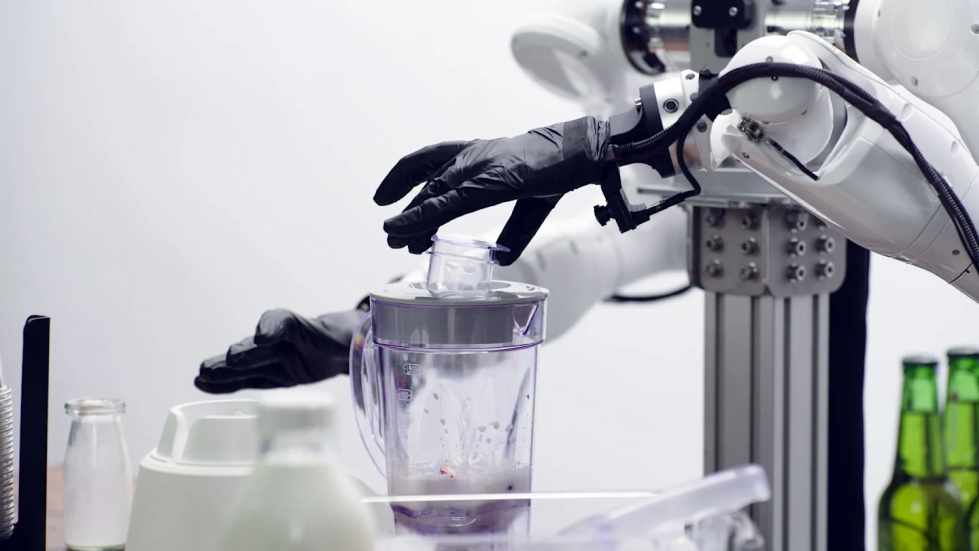
Credit: Genesis AI
The robotic hand itself is a key part of that loop. Built to mirror human anatomy more closely than standard grippers, it allows for a more direct transfer of human motion into machine actions. The goal is not just to replicate movement but to capture intent.
Genesis is entering a competitive field. China’s Linkerbot is developing similar hardware and targeting a $6 billion valuation, according to Reuters. The race is shifting from simple automation to dexterity, and the companies that get there first could shape how factories operate in the next decade.
For now, Genesis says it is signing customers but is not naming them. Engagements are expected to run three to five years, said Vivian Sun, the company’s vice president of commercial and strategy. That timeline reflects how deeply these systems integrate into industrial workflows.
The company plans to raise more capital, though it is not in a rush to go public. The focus remains on building out its simulation engine, hiring talent, and proving that its approach can scale beyond demos.
If Genesis can deliver on its promise, the impact will extend beyond a single product line. It would mark a shift in how robots are trained, deployed, and used across industries. Machines would move from rigid tools to adaptable systems that learn from both data and experience.
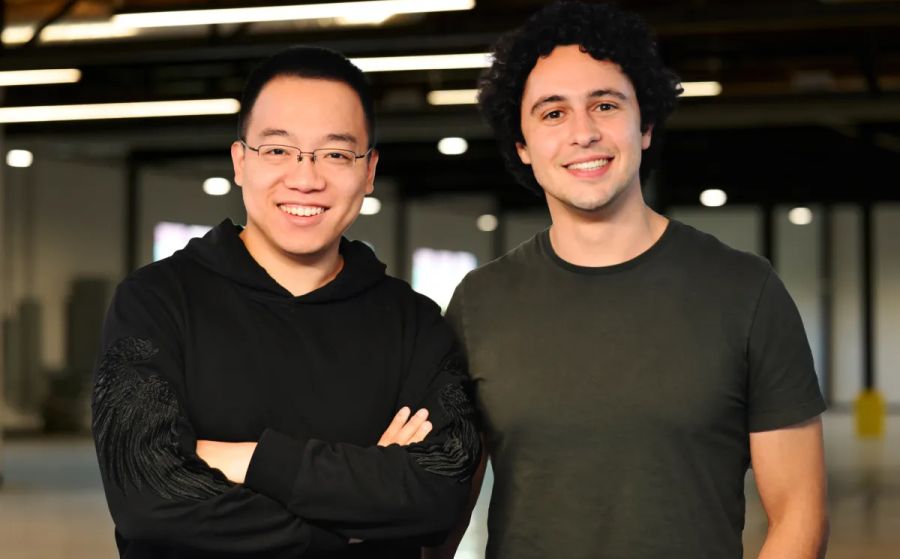
Genesis AI Founders
Trending Now