KKR launches $10B AI infrastructure startup Helix, taps ex-AWS CEO Adam Selipsky to lead
 Daniel Levi
Posted On May 1, 2026
Daniel Levi
Posted On May 1, 2026

KKR is making a $10 billion bet that the real bottleneck in artificial intelligence isn’t models or chips. It’s everything around them. The private equity giant has launched Helix Digital Infrastructure, a new standalone company built to supply the physical foundation that AI now depends on.
The pitch is simple: build the data centers, secure the power, connect the fiber, and handle the cooling so the biggest tech companies can keep training and deploying AI at scale without getting stuck in infrastructure delays.
“KKR & Co. has secured more than $10 billion to launch a company that will develop and operate artificial intelligence infrastructure,” Bloomberg reported, citing people with knowledge of the matter.
“The company, Helix Digital Infrastructure, will design, build, own, and run infrastructure for artificial intelligence, partnering with large-scale cloud providers known as hyperscalers, the people said, asking not to be identified discussing confidential information. That includes data centers, power generation and transmission, as well as connectivity,” Bloomberg added.
To run it, KKR turned to one of the few executives who has already lived through hyperscale growth. Adam Selipsky, who led Amazon Web Services through a period of explosive expansion, will serve as CEO and chair. During his time at AWS, the business doubled in size and pushed past $100 billion in annual revenue, all while demand for GPU-driven computing surged. That experience now moves into a very different challenge: building the physical systems that make that growth possible.
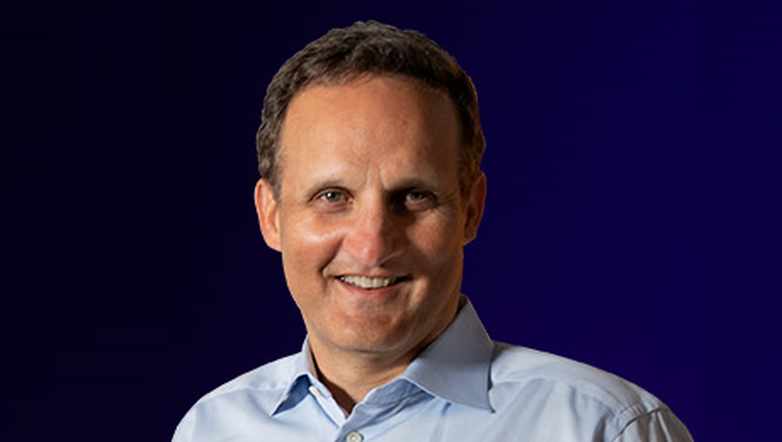
Ex-AWS CEO Adam Selipsky (Credit: AWS)
Helix isn’t positioning itself as just another data center operator. The company plans to act as a full-stack infrastructure partner for hyperscalers, handling everything from land and power generation to transmission, networking, and cooling. That scope reflects a shift already underway across the industry. AI workloads are pushing past what traditional cloud infrastructure was built to handle, and the limits are showing up in very tangible ways—power shortages, long permitting timelines, and grid bottlenecks that can stall projects for years.
Why AI infrastructure is emerging as the next trillion-dollar opportunity
The timing lines up with what the biggest tech companies are signaling. Alphabet, Amazon, Meta, and Microsoft are preparing to pour hundreds of billions into infrastructure over the next year, with total capital spending expected to approach $700 billion. A large share of that budget is headed toward data centers and energy projects. Even that level of spending isn’t enough to meet projected demand. AI models are getting larger, inference workloads are growing fast, and the gap between supply and demand keeps widening.
Helix steps into that gap with a different model. Instead of hyperscalers owning every piece of infrastructure on their balance sheets, they can offload the buildout to a partner and lock in capacity through long-term contracts. That approach reduces risk on both sides and speeds up deployment in markets where delays have become the norm.
For startups, this shift could matter more than any new model release. Over the past year, early-stage AI companies have been stuck waiting for access to compute resources, competing with tech giants for limited capacity. If Helix can bring new capacity online faster, it could ease those constraints and stabilize pricing across cloud platforms. That, in turn, makes it easier for smaller players to move from prototype to production.
The move signals something bigger about how investors are thinking about AI. Early funding cycles focused on model builders and chipmakers. The next phase is starting to look a lot like utilities and infrastructure—assets that generate steady returns over long periods. Data centers, power generation, and network capacity are becoming core to the AI economy, just as pipelines and grids underpin energy markets.
KKR isn’t new to infrastructure. The firm has backed data centers, fiber networks, and energy projects for years. Helix brings those pieces together under one strategy focused entirely on AI. Early interest from institutional investors suggests there’s an appetite for exposure to the AI boom without the volatility tied to public tech stocks.
Analysts expect demand for AI infrastructure to push total investment past $1 trillion by the end of the decade. Meeting that demand will require massive increases in power capacity, especially in the United States, where estimates call for tens of gigawatts of new supply. Helix’s initial $10 billion provides a starting point, with room to scale through partnerships and co-investments in large projects.
Details around financing, governance, and initial customers are expected soon. The direction is already clear. The race in AI is no longer limited to who builds the best model. It now includes who can deliver the electricity, the land, and the physical systems that make those models run.