Amazon acquires Globalstar for $11.6B, taking direct aim at SpaceX’s Starlink
 Nickie Louise
Posted On April 14, 2026
Nickie Louise
Posted On April 14, 2026
Amazon is making one of its boldest moves in space yet, agreeing to acquire satellite operator Globalstar in a deal valued at about $11.57 billion. The move sharpens Amazon’s push into satellite internet and puts it on a more direct collision course with Elon Musk’s SpaceX, whose Starlink network still leads the market by a wide margin.
The agreement gives Amazon control of Globalstar’s satellite operations, infrastructure, and spectrum rights, integrating them into its growing low-Earth-orbit ambitions. The company has been building this effort for years under what was previously known as Project Kuiper, which has now been rebranded as Leo. With this acquisition, Amazon gains an operational backbone it didn’t fully have before.
Globalstar shareholders will receive either $90 in cash or 0.3210 shares of Amazon stock for each share they hold, CNBC reported. The transaction is expected to close in 2027, subject to regulatory approval.
The deal didn’t come out of nowhere. Less than two weeks ago, the Financial Times reported that Amazon was making a serious move in the race to bring internet connectivity from space, with talks underway to acquire Globalstar in a roughly $9 billion transaction. The agreement announced Tuesday confirms those earlier signals and shows how quickly the company moved to lock in the asset.
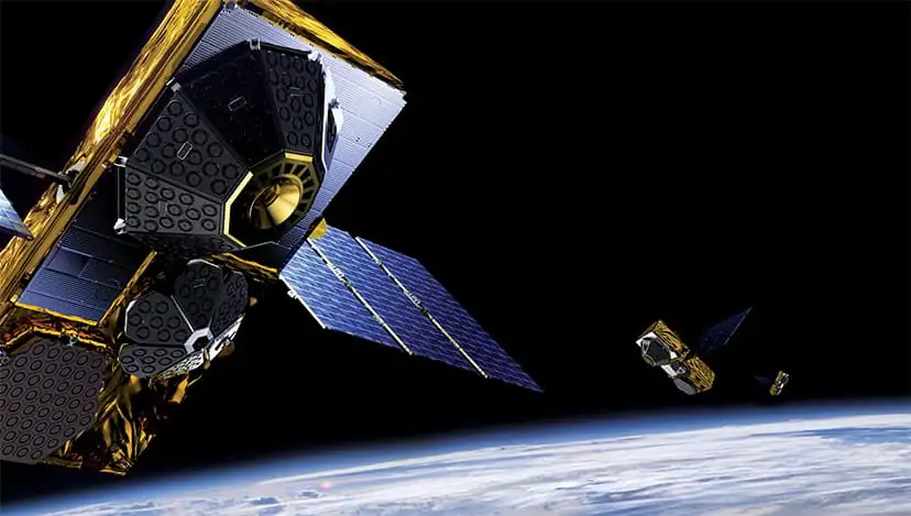
Globalstar
Amazon Buys Globalstar in $11.6B Bet on Satellite Internet and Direct-to-Device Connectivity
Amazon says the deal will help it roll out a direct-to-device satellite system, with deployment targeted for 2028. That puts it head-to-head with SpaceX’s Starlink Mobile initiative, which is already moving into the same territory. The race is shifting from broadband terminals to something bigger: connecting everyday devices straight to satellites without relying on traditional cell towers.
“By combining Globalstar’s proven expertise and strong foundation with Amazon’s customer-obsession and innovation, customers can expect faster, more reliable service in more places — keeping them connected to the people and things that matter most,” Panos Panay, Amazon’s senior vice president of devices and services, said in a statement.
The deal extends beyond Amazon’s internal ambitions. Apple, which took a 20% stake in Globalstar in 2024 as part of a $1.5 billion investment, remains closely tied to the company’s satellite network. Globalstar currently powers Apple’s Emergency SOS feature, allowing iPhone users to send messages in areas without cellular coverage. Amazon confirmed it has reached an agreement with Apple to support satellite connectivity for current and future iPhone and Apple Watch features, signaling a broader ecosystem play.
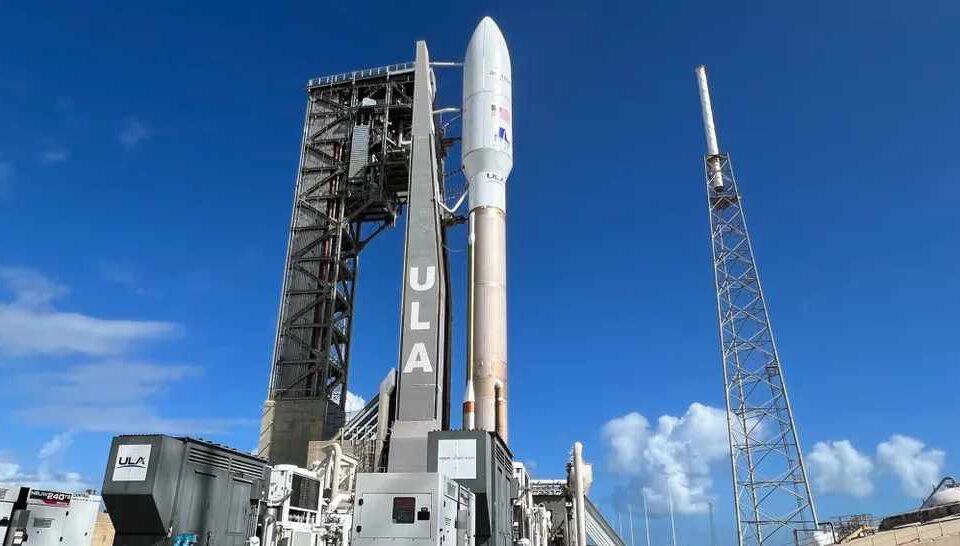
Amazon’s satellite effort has faced delays. The company has launched more than 240 satellites since last April through partners including United Launch Alliance and SpaceX, though it remains far behind Starlink’s scale. SpaceX has placed over 10,000 satellites in orbit and built a user base exceeding 9 million, giving it a commanding lead.
Regulators are now part of the story. The Federal Communications Commission will review the Globalstar acquisition as Amazon seeks to expand its footprint in direct-to-cell services. FCC Chairman Brendan Carr signaled openness to the deal, framing it as aligned with a broader push to keep the U.S. competitive in next-generation connectivity.
“We’re ultimately not the arbiter of what technology succeeds or not,” Carr said during an interview on CNBC. “We shouldn’t be the constraint either, so we’ve directed the staff to move quickly on all of these different applications.”
Both Amazon and SpaceX are asking regulators for permission to scale further. SpaceX recently secured approval to add another 7,500 satellites, and Amazon has clearance to deploy thousands more as it works to catch up.
Six years after first outlining its satellite ambitions, Amazon is no longer just building a network from scratch. With Globalstar, it’s buying time, infrastructure, and spectrum in one move. The gap with Starlink remains large, though the battle is shifting into a new phase where device-level connectivity and global coverage will define the next winners.

Trending Now