SoftBank in talks to invest $30 billion more in OpenAI, pushing valuation toward $830B
 Nickie Louise
Posted On January 28, 2026
Nickie Louise
Posted On January 28, 2026
SoftBank is preparing to go even deeper on OpenAI.
The Japanese conglomerate is in talks to invest up to $30 billion more in the company behind ChatGPT, according to a person familiar with the discussions. The new capital would form part of a funding round that could reach $100 billion and push OpenAI’s valuation toward $830 billion. The source requested anonymity since the talks remain private.
“SoftBank Group is in talks to invest up to $30 billion more in OpenAI, according to people familiar with the matter, adding to the Japanese conglomerate’s already large stake in the startup,” the Wall Street Journal reported.
The timing matters. Less than a month ago, SoftBank wrapped up its full $40 billion commitment to OpenAI, securing roughly an 11% ownership stake in the company. That deal already ranked among the largest single investments ever made in a private technology company. A follow-on check of this size would confirm that SoftBank sees OpenAI as the centerpiece of its long-term AI strategy.
From Chips to Intelligence: Why SoftBank Is Pouring Another $30B Into OpenAI
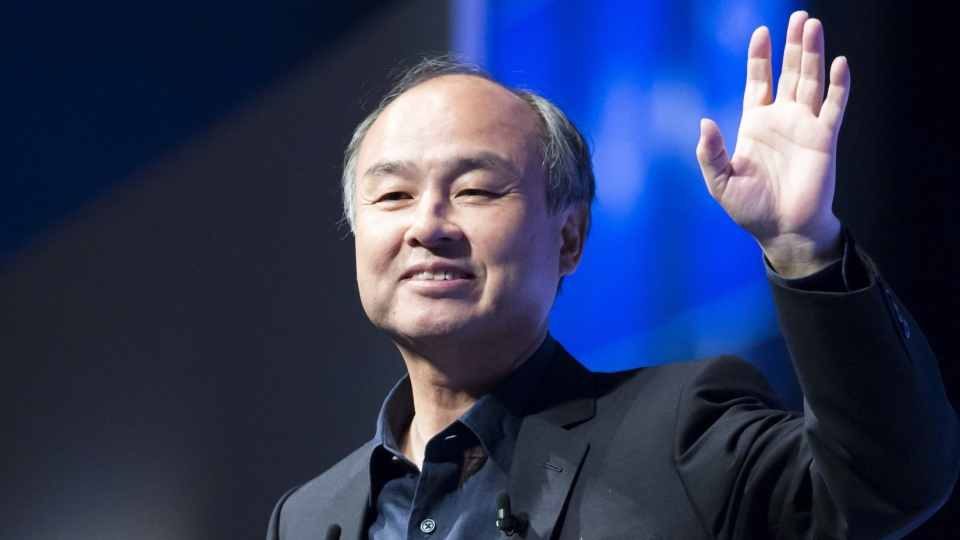
Masayoshi Son has framed the move as an all-in wager. After years of scattershot bets through the Vision Fund, OpenAI stands out as a concentrated conviction. Reuters reported last month that Son marshaled capital for the initial investment by slowing most other Vision Fund activity to a crawl.
The push comes at a moment when OpenAI’s costs keep climbing. Training and operating large AI models requires vast amounts of compute, energy, and custom infrastructure. Competitive pressure from Alphabet’s Google has added urgency to the spending cycle, with model performance and deployment speed now shaping market leadership.
Infrastructure sits at the center of the story. OpenAI and SoftBank both back Stargate, a $500 billion effort to build large-scale AI data centers for training and inference. Executives involved in the project have described it as critical to U.S. ambitions to stay ahead of China in artificial intelligence. The scale signals that AI is no longer treated as a research expense. It has become industrial capital expenditure.
“SoftBank is already one of OpenAI’s largest shareholders with a stake that grew to 11% in December, when it invested $22.5 billion. In a statement at the time, SoftBank Chairman Masayoshi Son said the firm was “deeply aligned with OpenAI’s vision.””
That shift shows up across OpenAI’s balance sheet. The company has lined up more than $1.4 trillion in long-term infrastructure agreements tied to chips, servers, and power. Partners include Nvidia, AMD, and Broadcom. These commitments reflect production planning measured in decades, not product cycles.
Son has described the relationship in philosophical terms.
“We are deeply aligned with OpenAI’s vision of ensuring AGI benefits all of humanity.”
Sam Altman echoed that view.
“SoftBank saw the potential of AI early and committed with a deep belief in its impact on humanity. Their global leadership and scale help us move faster and bring advanced intelligence to the world.”
The OpenAI stake fits into a broader reshaping of SoftBank’s portfolio. The company recently agreed to pay $4 billion for data-center investor DigitalBridge, another signal that compute and physical infrastructure now anchor its investment thesis.
Capital continues to flow in from across the tech sector. Microsoft remains OpenAI’s largest strategic partner after backing the company with billions across multiple rounds. Reports have surfaced about a possible Amazon investment that could exceed $10 billion. Disney joined the cap table through a $1 billion equity deal tied to licensed content access for OpenAI’s video generator, Sora.
An IPO remains widely expected, even without a confirmed timeline.
The Wall Street Journal first reported the latest talks. SoftBank declined to comment. Its shares rose 3.5% in Tokyo morning trading following the news.
For Son, the bet marks a clean break from the last decade. Nvidia’s exit closed the chapter on AI hardware gains. OpenAI represents the next phase: fewer bets, larger checks, and a belief that the most valuable layer of AI will sit above the chips.
This time, the wager is not about tools. It is about who controls the intelligence.
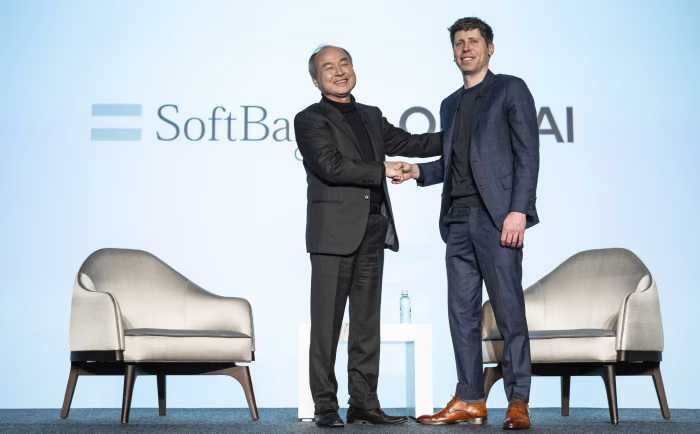
Photo Credit: Aaron Schwartz/Bloomberg News
Trending Now
Top Tech News Today, March 25, 2026