Portuguese biotech startup CarboCode raises €15M to develop human-identical milk lipids that could aid in fighting Alzheimer’s and Parkinson’s
 Nickie Louise
Posted On November 11, 2025
Nickie Louise
Posted On November 11, 2025
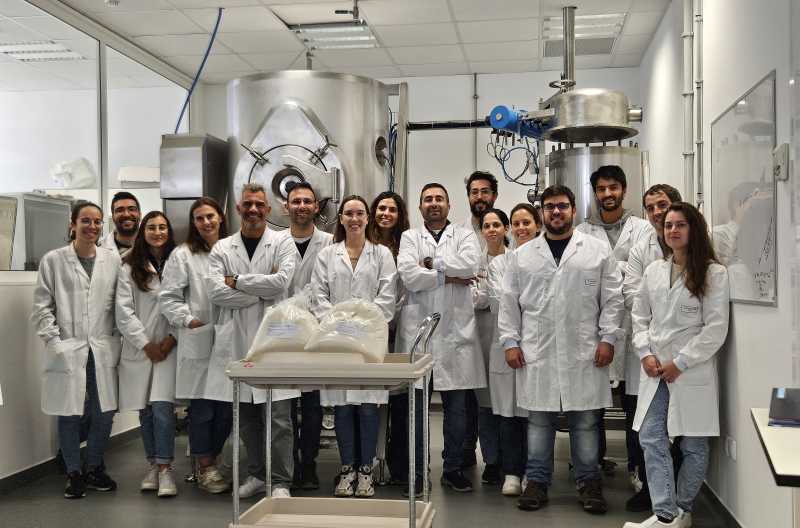
Portugal-based biotech startup CarboCode has raised €15 million in Series C funding to bring human-identical milk lipids—known as gangliosides—into large-scale production. These complex molecules, found naturally in human breast milk and the brain, play a vital role in cognitive development, immunity, and gut health. The company’s goal is ambitious: to close the gap between infant formula and natural breast milk, and eventually use the same compounds to address neurodegenerative diseases like Alzheimer’s and Parkinson’s.
The round, led by Iberis Capital, brings CCarboCode’s total funding to €60 million. The new capital will help the company finalize regulatory approvals across Europe and the United States by 2026, with plans to enter the Chinese market by 2028. Production is expected to reach industrial scale by 2029, targeting 100 tons of gangliosides per year—enough to supply global formula brands like Nestlé, Danone, Abbott, and Mead Johnson.
From Infant Formula to Alzheimer’s Therapy: CarboCode’s €15M Bet on Human-Identical Lipids
CarboCode’s breakthrough lies in solving one of biotech’s toughest challenges: producing gangliosides identical to those found in human milk at scale. Until now, infant formulas worldwide have lacked these molecules entirely, leaving a nutritional gap for the roughly 60% of babies who are not exclusively breastfed. By replicating these lipids in the lab, CarboCode could bring the formula closer to the biological gold standard of human milk.
The implications stretch far beyond infant nutrition. Studies have linked declining ganglioside levels in the human body to the progression of Alzheimer’s and Parkinson’s disease. CarboCode’s long-term plan is to apply its technology to neurodegenerative research, exploring how these same milk-derived molecules might slow or even reverse certain cognitive declines associated with aging.
CEO Jorge Santos and his team have a proven track record in the field. Before founding CarboCode, they helped develop Human Milk Oligosaccharides (HMOs) at Glycom A/S—an innovation later acquired by DSM for $826 million. That technology remains central to Nestlé’s infant formula lineup today. With gangliosides, Santos believes his team is once again standing at the frontier of nutritional science.
“Access to human-identical gangliosides presents a rare opportunity to make a real positive impact on people’s lives,” Santos said. “CarboCode’s technologies enable the production of these compounds, driving our commitment to making this dream a short-term reality.”
Headquartered in Biocant Park, Portugal, CarboCode operates a research center in Konstanz, Germany, and employs a team of 35 scientists, including 16 PhDs. The company plans to expand its staff as it moves from development to production. Once the regulatory milestones are cleared, CarboCode expects to surpass €100 million in annual sales through its B2B export model.
With both the global infant nutrition market and dementia care sector valued at over €50 billion, CarboCode sits at a rare intersection of health, longevity, and biotechnology. If its technology proves successful, the company could help redefine what “formula-fed” means—and spark a new generation of therapies derived from one of nature’s oldest and most powerful sources: human milk.