Peak Energy expands Series B to $157M to scale sodium-ion battery production as AI data center demand surges
 Nickie Louise
Posted On November 24, 2026
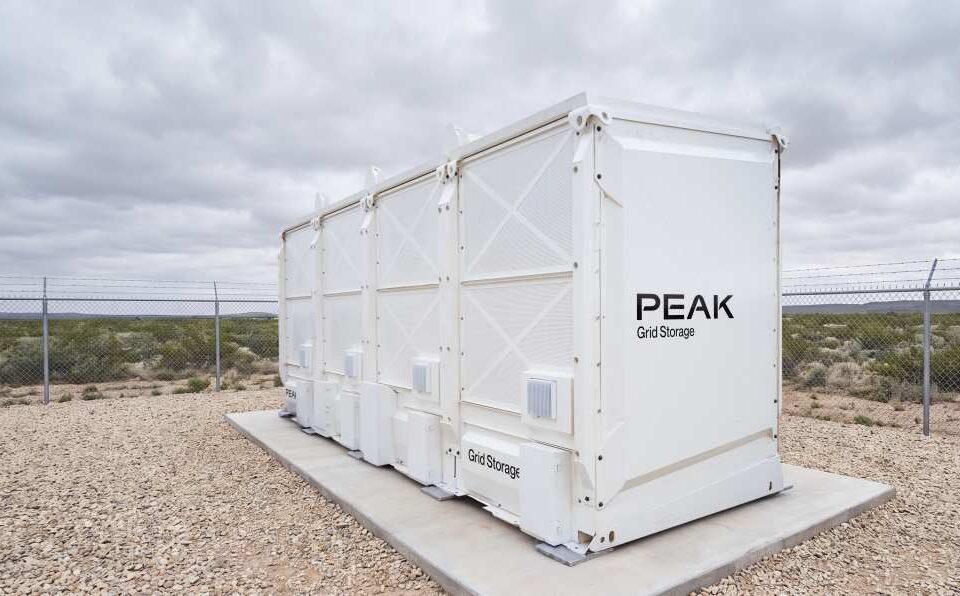
The AI infrastructure boom is creating a growing market for startups that can store electricity more cheaply. Peak Energy, a U.S. sodium-ion battery startup founded in 2023, is betting that the next generation of grid-scale energy storage doesn’t have to rely on lithium.
The company announced Tuesday that it has expanded its Series B financing to $157 million, comprising $132 million in equity and a $25 million debt facility from HSBC. The funding will help Peak increase domestic manufacturing capacity and begin commercial deployments in 2027.
The financing comes as Peak’s customer agreements have surpassed $2.5 billion, reflecting growing interest in alternatives to conventional lithium-ion energy storage systems.
“Customers are telling us they need a lot more energy storage, and they need better options,” said Landon Mossburg, co-founder and CEO of Peak Energy. “That’s especially true as data centers drive a new wave of electricity demand. We built Peak to solve the economics of storage at scale, but also to build systems that are easier to live with: quieter, simpler and safer. This capital lets us move faster on both.”
Peak initially announced its oversubscribed Series B in October, led by General Motors Ventures, with participation from Maverick Silicon, Infinite Capital, Eclipse, Xora Innovation, and LG Technology Ventures. Additional investor interest prompted the company to increase the round size.
AI’s energy bill creates an opening for sodium-ion batteries
Peak’s financing comes as investors pay closer attention to the economics of AI infrastructure. As TechStartups reported earlier, Anthropic’s recent stock decline below its IPO price has brought renewed attention to the financial pressures facing AI companies, including the enormous costs of building and operating their infrastructure.
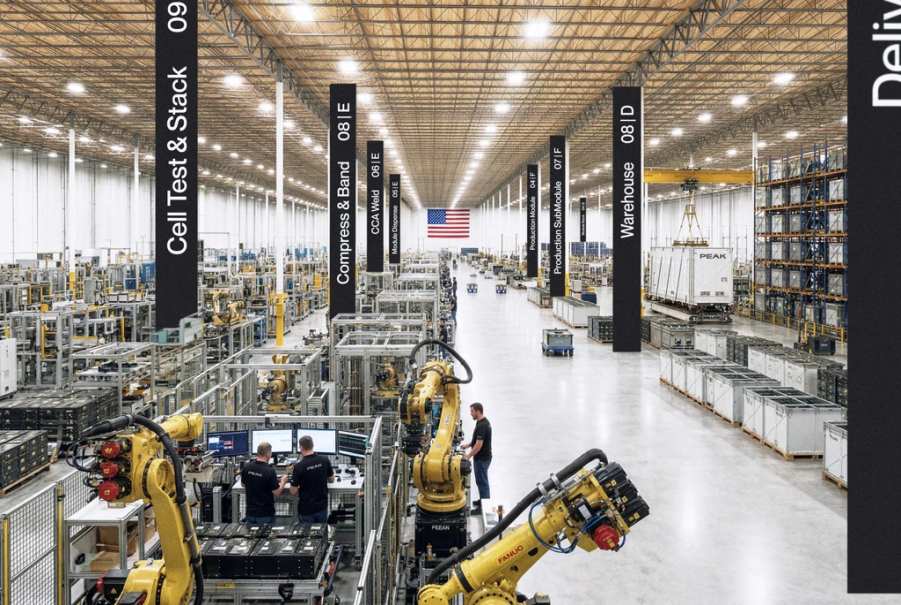
Peak Energy (Image credit: Peak Energy)
For companies like Peak Energy, that pressure creates a business opportunity. Data center operators need dependable electricity at predictable costs, and energy storage could help address both challenges.
Peak is increasing manufacturing capacity at its 4 GWh facility in Sacramento, California. Part of the new investment will fund a pilot project to demonstrate the economic benefits of sodium-ion battery technology for data centers.
Unlike conventional battery storage systems that rely on active cooling, Peak’s flagship system uses passive cooling, removing the need for additional cooling equipment. The company claims its technology requires zero planned maintenance and can reduce energy costs by up to 20% compared with conventional storage systems. Its batteries are engineered to operate for 30 years without adding extra capacity to offset degradation.
Those claims will face a bigger test once commercial deployments begin in 2027.
The financing structure is another interesting aspect of the deal. By securing a $25 million debt facility from HSBC, Peak can finance project deliveries without further diluting existing shareholders, leaving equity capital available for manufacturing and business growth.
“We’re grateful to our existing investors for deepening their support as our backlog grows,” said Zack Jacobson, Vice President of Finance at Peak Energy. “Adding HSBC gives us flexibility to fund project deliveries without additional dilution and reserve equity for scaling the business. Building a capital stack that fits each need is how we’ll finance Peak’s growth, and HSBC is the right partner to lead that.”
Founded by industry veterans from Tesla, Enovix, and Fluence, Peak has secured commercial agreements with Jupiter Power, RWE, and Energy Vault. It has a strategic partnership with General Motors to develop next-generation battery cells for grid-scale storage.
Lithium-ion batteries remain the established choice for much of the energy storage industry. Sodium-ion technology offers an alternative built around a more abundant raw material, potentially reducing dependence on lithium supply chains.
Peak’s next challenge is turning its $2.5 billion in customer agreements into delivered systems and recognized revenue. With commercial deployments scheduled for 2027, the company can show whether sodium-ion batteries can compete on cost, reliability, and performance at industrial scale.
The next chapter of the AI boom may be shaped as much by electricity costs as by AI model capabilities. Peak Energy is betting its business on that equation.