Nvidia reinstates Jensen Huang as CEO just 11 days after resignation, shares surge 31%
 Nickie Louise
Posted On November 23, 2026
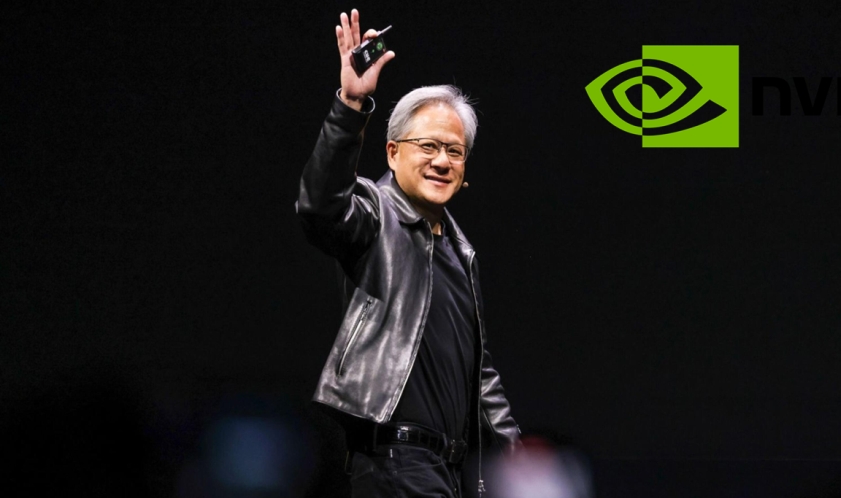
Nvidia has reinstated Jensen Huang as CEO just 11 days after his stunning resignation, sending the AI chipmaker’s shares surging more than 31% in premarket trading on Monday. The surprise reversal brings the company’s co-founder back to the helm after a controversy that raised questions about his personal conduct, national security, and the future of the company he spent more than three decades building.
On November 23, Nvidia announced that its board unanimously voted to restore Huang as president, chief executive officer, and board director, effective immediately. The decision followed several meetings with Huang and consultations with senior U.S. government officials.
“NVIDIA (NASDAQ: NVDA) today announced that effective immediately, Jensen Huang has been reinstated as President and Chief Executive Officer and as a member of the Board. The Board of Directors voted unanimously to reinstate Mr. Huang following a series of discussions and meetings with Mr. Huang, after which the Board was satisfied with respect to Mr. Huang’s candor and ability to lead NVIDIA. In the process of reaching its decision, the Board received input from senior levels of the United States government, and based on that input, the Board is confident that Mr. Huang’s reinstatement poses no national security risk,” Nvidia said in a press release.
The reversal is particularly striking. Just six days earlier, Nvidia Chairman Harvey Jones told investors that the board had no intention of bringing Huang back. Now, the company is betting on the same executive it had prepared to replace.
According to Reuters, Nvidia shares jumped more than 31% in premarket trading following the announcement, reflecting investors’ enthusiasm for the return of the executive widely credited with turning the company into the dominant supplier of AI chips.
Why Nvidia reversed its decision to reinstate Jensen Huang
Huang resigned on November 12 following disclosures about extramarital affairs and reports that he may have been targeted by a foreign intelligence operation. The allegations prompted an independent investigation into potential national security concerns involving the company’s leadership.
His departure sent shockwaves through Silicon Valley and Wall Street. Huang had led Nvidia since its founding in 1993, overseeing its transformation from a graphics chip company into a central supplier of the computing infrastructure behind the AI boom.
Colette Kress, Nvidia’s longtime chief financial officer, stepped in as interim CEO. The board began searching for a permanent replacement, signaling that it was prepared to move forward without its founder.
That position changed after mounting calls for Huang’s return from employees, shareholders, business partners, and prominent technology executives. Reuters reported that a petition supporting his reinstatement attracted more than 180,000 signatures, including one from Tesla CEO Elon Musk.
President Donald Trump publicly supported Huang’s return, adding another dimension to a leadership crisis already attracting attention from Washington.
In announcing its decision Monday, Nvidia said discussions with Huang had satisfied directors about his candor and ability to lead the company. The board said input from senior U.S. government officials gave it confidence that his reinstatement posed no national security risk.
“The Board believes Jensen is the right person to lead NVIDIA, and that his reinstatement is in the best interests of our stockholders, employees, partners and customers,” said Harvey C. Jones, Chair of the Board. “We have every confidence in Jensen and look forward to working with him as he resumes his leadership of the Company. We are grateful to Colette Kress for her outstanding service as interim CEO, in addition to her continuing responsibilities as NVIDIA’s Chief Financial Officer.” Harvey Jones will remain as Board chair.
Jones will remain chairman, and Kress will return to focusing on her responsibilities as CFO.
Huang thanked the board for its decision and acknowledged the significance of his return.
“I am honored to return to NVIDIA and lead one of the most consequential technology companies in the world at the beginning of a new industrial revolution,” Huang said.
Jensen Huang returns, but Nvidia’s investigation is far from over
Huang’s reinstatement resolves Nvidia’s immediate leadership uncertainty, but it does not close the investigation that followed reports of a possible foreign intelligence effort targeting him.
Nvidia confirmed that an independent board committee, supported by outside legal counsel, will continue its investigation through completion. Huang has pledged to cooperate.
The company has established a separate National Security and Export Control Committee composed entirely of independent directors. Nvidia is seeking a chief compliance officer to oversee compliance matters and report to the board’s Nominating and Corporate Governance Committee.
Those measures reflect Nvidia’s unusual position. Its chips sit at the center of the global AI race, and U.S. restrictions on advanced semiconductor exports have made the company’s decisions increasingly important to American technology policy.
The board’s reassurance about national security risks is significant, but it is not the same as a completed investigation or a public disclosure of its findings.
For investors, Huang’s return restores a familiar face at the top of a company whose growth has been closely associated with his leadership, technical vision, and industry relationships.
The market’s initial reaction suggests investors see his return as a major positive development. Yet Nvidia still faces questions about corporate governance, export compliance, and what its independent investigation may uncover.
Eleven days after losing its founder as CEO, Nvidia has brought him back. The leadership crisis may be over, but the scrutiny surrounding his return is unlikely to disappear overnight.