‘Theranos but it works’: YC-backed startup Helios uses AI to predict health risks from a single drop of blood
 Daniel Levi
Posted On November 18, 2026
The ghost of Theranos is back, and a Y Combinator-backed startup is embracing the comparison. Boston-based Helios emerged from stealth on Wednesday with an ambitious pitch: use artificial intelligence and a single drop of blood to predict a person’s risk of developing serious diseases years before symptoms appear.
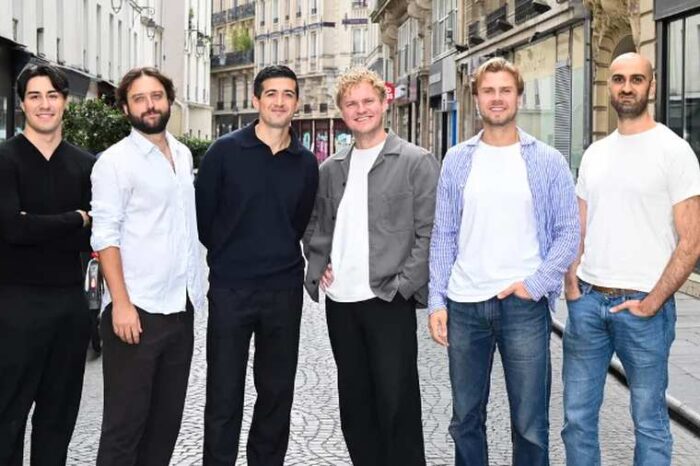
The startup, founded by scientists Omar Abudayyeh, Jonathan Gootenberg, and physician-scientist Yousef Badran, has raised $2.3 million in seed funding from Y Combinator, Formation VC, and angel investors. Its technology measures more than 1,000 proteins in a blood sample, looking for biological signals associated with aging and conditions such as heart failure, blood cancers, and Alzheimer’s disease.
And the founders aren’t shying away from the inevitable Theranos comparisons.
They reportedly spent about $12 registering theranosbutworks.com, a tongue-in-cheek domain that redirects visitors to Helios’s website.
It’s a provocative marketing decision for a blood-testing startup entering an industry still haunted by Elizabeth Holmes and Theranos’s spectacular collapse.
Yet Helios believes the science has finally caught up with the ambition.
One Drop of Blood, 1,000 Proteins, and a Glimpse Into Future Health
Unlike conventional blood tests that look for specific biomarkers, Helios uses proteomics to study proteins produced by cells, tissues, and organs.
These proteins can reveal biological changes associated with aging, inflammation, and disease. Researchers have spent years studying how protein patterns in blood correlate with future health outcomes.
Helios wants to bring that research out of specialized laboratories and into people’s homes.
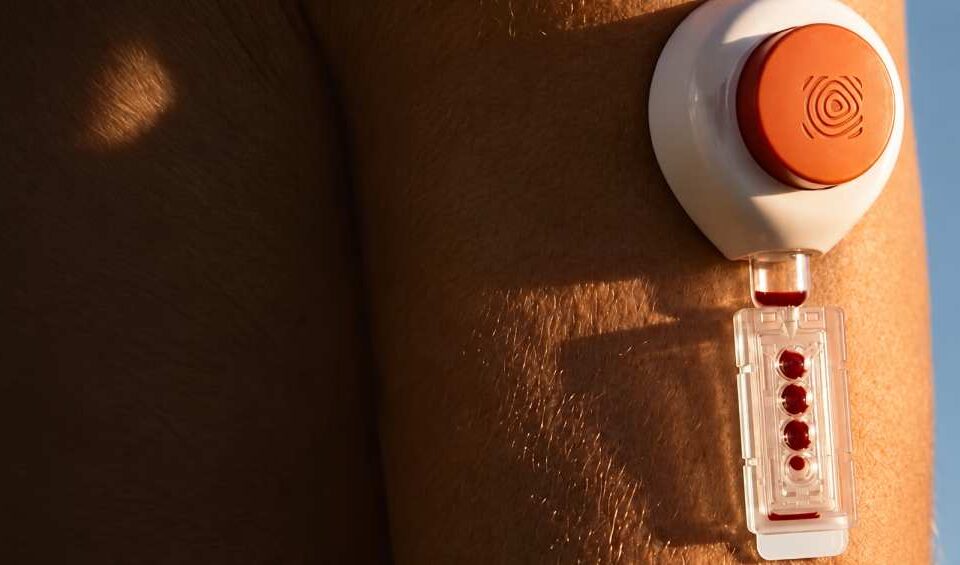
Its testing process begins with a small, needle-free collection device that attaches to the upper arm. Users press a button to collect a drop of blood into a cartridge, then mail it to the company’s Boston laboratory for analysis.
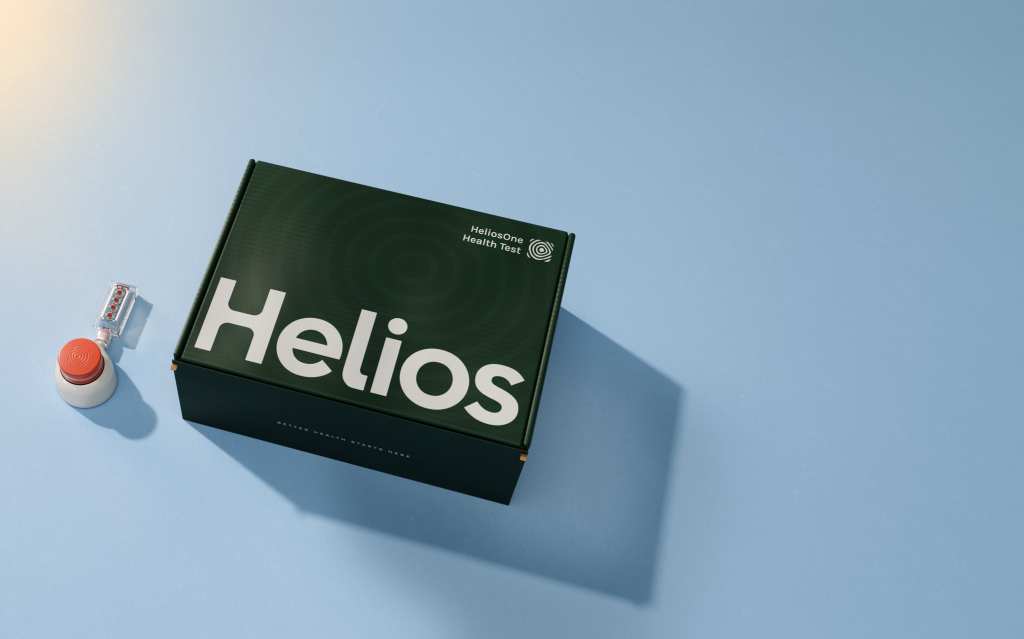
Helios (Image credit: Helios)
The results are processed using AI models that assess biological signals across major organs, including the heart, brain, liver, and kidneys.
Helios says its system can estimate a person’s risk of certain diseases over the next decade. An accompanying AI Health Coach will recommend changes involving nutrition, exercise, lifestyle, and follow-up medical care.
“By the time you feel something is wrong, your biology may have been changing for years,” said Omar Abudayyeh, Ph.D., co-founder of Helios. “Helios gives people the world’s highest-resolution picture of their health: where they are today, where they’re headed decades from now, and the power to change it.”
The startup plans to introduce its testing service in early 2027, initially through longevity clinics and concierge physicians. Tests are expected to cost between $250 and $600 for clinical buyers, with direct consumer availability planned for later that year.
The company has opened a waitlist ahead of the launch.
The Theranos Comparison Comes With a Scientific Test of Its Own
Helios’s founders have credentials that distinguish their venture from the notorious blood-testing company.
Abudayyeh and Gootenberg conducted pioneering CRISPR diagnostics research at Harvard and MIT. They helped establish Sherlock Biosciences, which developed the first FDA-authorized CRISPR-based diagnostic test, and previously co-founded several biotechnology companies.
Their third co-founder, Badran, is a physician-scientist at Massachusetts General Hospital with experience in internal medicine, gastroenterology, and drug development.
Their scientific backgrounds give Helios a credible starting point. They do not, by themselves, establish that its new disease-risk predictions will work reliably across the general population.
There is a meaningful technological difference from Theranos.
Theranos promised to perform hundreds of conventional laboratory tests using tiny blood samples, claims its technology could not substantiate. Helios is pursuing protein analysis, a research field supported by years of published scientific studies and existing laboratory methods.
But the distinction doesn’t eliminate the need for independent clinical validation.
The critical question is whether Helios can translate established proteomics research into accurate, reproducible predictions that doctors and patients can trust.
Associations between blood proteins and disease risk are not the same as proving that an individual will develop a particular illness. Predictive accuracy, false positives, clinical usefulness, and the potential consequences of AI-generated recommendations will all matter.
Helios has yet to publicly demonstrate that its commercial testing service can deliver the full range of outcomes it promises.
The startup is entering a growing market for longevity testing and preventive healthcare, where companies are racing to turn molecular data into actionable health information.
Its longer-term ambition goes beyond blood testing. Helios plans to combine proteomics with medical records, wearable-device data, and AI models to track changes in a person’s biology over time.
For now, the company has funding, experienced founders, and a memorable domain name.
Whether Helios can deliver what Theranos never could will depend on clinical evidence, not the promise of a single drop of blood.