AI startup Numa raises $45M at $500M valuation to automate car dealerships with AI agents as ARR triples
 Nickie Louise
Posted On November 16, 2026

Car dealerships lose customers every day through missed calls, unanswered messages, and slow follow-ups. AI startup Numa wants to fix that problem, and investors are betting $45 million that its AI agents can do the job.
Numa, a Silicon Valley-based startup developing AI software for car dealerships, announced Monday that it has raised $45 million in Series C funding led by Blue Cloud Ventures, valuing the company at $500 million. The new financing comes after Numa tripled its annual recurring revenue (ARR) over the past year and grew its dealership customer base to more than 1,500 locations across the United States and Canada.
The round included participation from Threshold Ventures, Costanoa Ventures, Touring Capital, Gradient Ventures, and Tokio Marine Future Fund. Numa said the investment brings its total funding to $96 million.
The funding highlights a growing shift in how artificial intelligence is being deployed across traditional industries. Rather than selling another chatbot, Numa is building AI agents that answer customer calls, schedule appointments, track service requests, and help dealerships convert inquiries into sales.
The financial argument is straightforward. Numa says dealerships using its software save approximately $11,000 per month, or $132,000 annually, by automating customer interactions and reducing missed business opportunities.
From missed calls to AI agents running dealership operations
Car dealerships have spent decades investing in software to manage inventory, sales, financing, and service appointments. Yet many still struggle with something far more basic: answering customers quickly.
A missed call can mean a lost service appointment. An unanswered text can send a potential buyer to another dealership. A frustrated customer might never return.
Numa’s AI operating system attempts to address those problems by connecting customer conversations with dealership workflows.
The company says its platform has processed more than 1 billion calls, texts, and chats and booked over 4 million appointments. At participating GM dealerships, average response times fell from nearly 23 hours to 24 minutes, according to company-reported data.
Numa claims that 86% of customers identified as dissatisfied returned for service within six months, suggesting its software could help dealerships retain customers who might otherwise leave.
The company’s ambitions now extend beyond customer support.
In August, Numa acquired SocketTime to connect service scheduling and repair operations with customer communications. Its new AI sales agent can access dealership inventory, identify vehicles that match a buyer’s preferences, and record qualified leads directly in customer relationship management systems.
Numa has introduced an AI-powered phone operator that routes incoming calls to the appropriate department. Its LiveCSI system analyzes customer interactions to identify dissatisfaction before it turns into a negative customer survey.
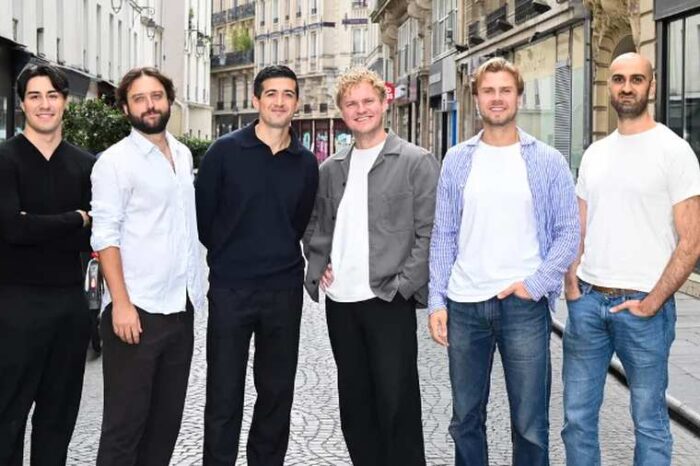
“In two years, every general manager will have an AI COO,” said Tasso Roumeliotis, founder and CEO of Numa. “At more than 1,500 dealerships, they already do, and it is Numa. It knows every conversation in the store, sees what needs attention and runs the work that follows. That is not another dashboard or another point tool. It is an operating system. The DMS was built to record the dealership. It was never built to run it. Numa was, and this round puts more engineers to accelerate it.”
The vision is ambitious, but the economic appeal is clear. A dealership doesn’t necessarily need another software dashboard. It needs fewer missed appointments, faster service, and more customers returning for repairs or their next vehicle.
Why major automakers are opening their dealerships to Numa
Numa’s growth has caught the attention of some of the automotive industry’s biggest names.
General Motors has approved the company as an iMR Turnkey Vendor, with more than 240 GM dealerships already using its software. FordDirect selected Numa as a strategic AI vendor, making its technology available to more than 3,000 Ford and Lincoln dealerships.
Numa has secured approval through Stellantis’ MarketCenter, opening access to more than 2,600 dealerships in the U.S. and another 440 in Canada.
These relationships give Numa access to a substantial potential customer base, though vendor approval doesn’t mean every dealership has adopted the platform.
The startup is part of a broader effort to move AI beyond answering questions and into completing everyday business tasks. Automotive retail offers a particularly interesting test: dealerships handle large volumes of customer interactions, operate across disconnected software systems, and depend heavily on repeat business.
Numa’s reported revenue growth suggests dealerships are willing to pay for AI that can demonstrate measurable financial returns. The company has not disclosed its actual ARR, making it difficult to independently assess the scale of its revenue growth.
Founded by the team behind Location Labs, Numa plans to use the new funding to expand its engineering team and develop more AI capabilities across dealership sales and service operations.
The bigger question is whether Numa can become a central operating system for dealerships rather than another vendor competing for a slice of their software budgets.
For an industry accustomed to spending heavily on customer acquisition, an AI system that helps keep existing customers coming back could prove just as valuable.