How to Stay Safe While Using Modern Payment Technology
 Daniel Levi
Posted On November 16, 2026
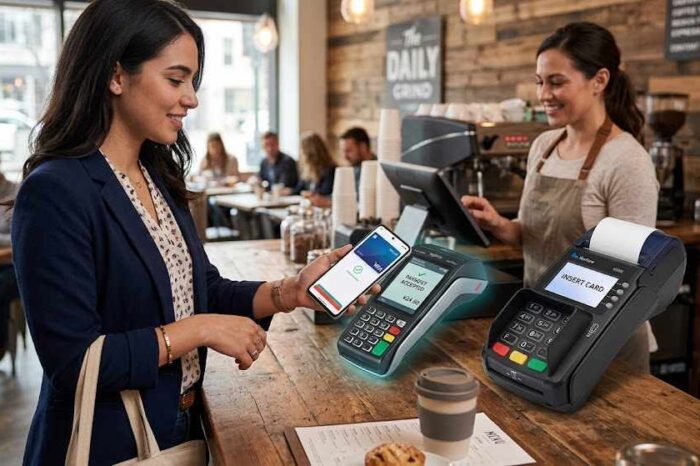
Paying for groceries, ordering dinner, or shopping online no longer requires carrying cash or even pulling a card from your wallet. Smartphones and contactless payment systems have made everyday purchases quicker and easier.
But convenience comes with responsibilities. Criminals use fake websites, fraudulent messages, and stolen login details to access financial accounts. While modern payment systems include security protections, those features can’t prevent every scam.
Knowing how these technologies work and taking a few precautions can help you protect your money without giving up the convenience of digital payments.
Understand How Modern Payment Methods Work
Most modern payment systems allow people to complete purchases electronically, whether through a contactless card, smartphone or online checkout.
Contactless cards communicate with compatible terminals using short-range wireless technology. Mobile payment applications can use similar technology, while online transactions generally rely on encrypted connections to transmit information.
Some payment systems use tokenization, which replaces sensitive card details with substitute information during transactions. This helps reduce exposure of actual card numbers.
However, security features vary by service. Understanding how your preferred payment method works makes it easier to recognize unusual requests or suspicious activity.
Choose Payment Methods With Reliable Security Features
Not every payment application offers the same protections. Before connecting your bank account or payment card, check how the service verifies your identity and protects personal information.
Many people now use digital wallets to store payment credentials and make purchases through compatible smartphones or other devices. Depending on the service, transactions may involve device authentication, tokenization, and additional security checks.
Download payment applications through official app stores and review their permissions before entering financial details.
It’s also worth checking whether you can quickly remove a payment card or restrict access if your device goes missing. These practical features can be just as important as the technology behind the transaction.
Protect the Devices You Use for Payments
Your phone is often the gateway to several financial accounts, so device security is especially important.
Start with a strong passcode and enable fingerprint or facial recognition when supported. Avoid simple PINs that someone could easily guess after watching you unlock your device.
Software updates matter as well. They frequently address security weaknesses that criminals could exploit.
If your phone supports remote locking or device-location features, enable them before anything goes wrong.
Avoid saving passwords or payment details in unprotected notes. A password manager can provide a safer way to organize login credentials.
Recognize Scams Before Sharing Payment Information
A convincing message can sometimes be more dangerous than a technical security weakness.
Scammers frequently send texts claiming that a payment failed, a package couldn’t be delivered, or a financial account needs immediate verification.
These messages often contain links leading to websites designed to collect passwords or payment details.
If you receive an unexpected alert, open the company’s official application or enter its website address yourself.
Never share a one-time verification code with someone who contacts you unexpectedly. Legitimate financial institutions shouldn’t need you to disclose these codes to an unsolicited caller.
When something feels unusually urgent, checking the request independently is worth the extra minute.
Be Careful With Public Wi-Fi Networks
Public internet connections are convenient, especially when you’re working from a café, airport or hotel. Unfortunately, unfamiliar networks can create security concerns.
A malicious network might imitate a legitimate connection or redirect users to fraudulent websites.
When accessing financial accounts, consider using your mobile data connection rather than an unfamiliar Wi-Fi network.
Check website addresses carefully and look for HTTPS before entering sensitive information. Remember that a secure connection doesn’t automatically mean the website itself is trustworthy.
Disabling automatic connections to unknown networks can also reduce the chances of joining an unsafe connection without noticing.
Monitor Your Accounts for Unusual Activity
Payment security doesn’t end when a transaction is completed.
Reviewing your account activity regularly helps you notice purchases you don’t recognize, duplicate charges or unexpected subscription payments.
Many financial institutions offer notifications whenever a card is used. Enabling these alerts can help you identify suspicious activity shortly after it happens.
If you notice an unfamiliar transaction, contact your financial institution through its official support channels.
Some banking apps also let you temporarily lock a payment card. Knowing where to find this feature beforehand can save time if something goes wrong.
Know What to Do When Your Payment Details Are Compromised
Discovering an unauthorized payment can be unsettling, but acting promptly is important.
Contact the relevant financial institution and report the transaction. Follow its instructions to secure your account and replace affected payment credentials.
If your phone has been stolen, use available remote security features to lock the device or remove payment access.
Change any passwords that may have been exposed, especially if you’ve reused them across accounts.
Keep records of suspicious transactions and communications with financial support teams. These details may help when investigating unauthorized activity.
Make Payment Security Part of Your Routine
Good security habits are easier to maintain when they become part of everyday life.
Use different passwords for important accounts and enable multifactor authentication wherever it’s available.
Occasionally review the cards connected to payment applications and remove services you no longer use.
Watch for unexpected login requests, unfamiliar devices, and changes to your account settings.
As payment technology develops, new features may provide additional protections. Still, knowing how to identify scams and protect personal information will remain useful.
Stay Safe Without Giving Up Convenience
Modern payment technology makes everyday transactions easier, but protecting your financial information still requires attention.
Secure devices, reliable payment applications, and regular account monitoring can reduce common risks. Recognizing suspicious messages and responding quickly to unusual activity are equally important.
You don’t need advanced technical knowledge to use digital payments safely. A few sensible habits, practiced consistently, can help you enjoy their convenience while keeping greater control over your financial security.